


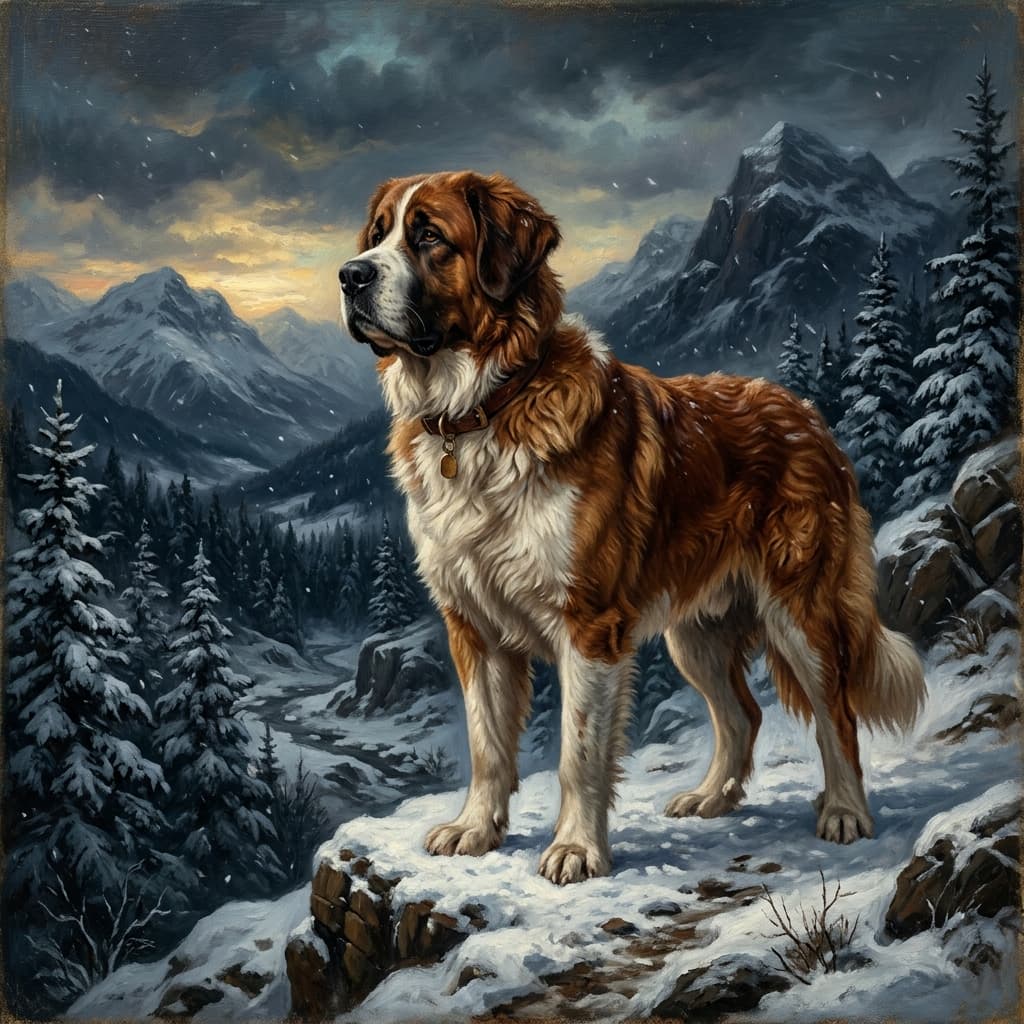
Chapter 1: Into the Primitive
Buck did not read the newspapers, or he would have known that trouble was brewing, not alone for himself, but for every tide-water dog, strong of muscle and with warm, long hair, from Puget Sound to San Diego. Because men, groping in the Arctic darkness, had found a yellow metal, and because steamship and transportation companies were booming the find, thousands of men were rushing into the Northland. These men wanted dogs, and the dogs they wanted were heavy dogs, with strong muscles by which to toil, and furry coats to protect them from the frost.
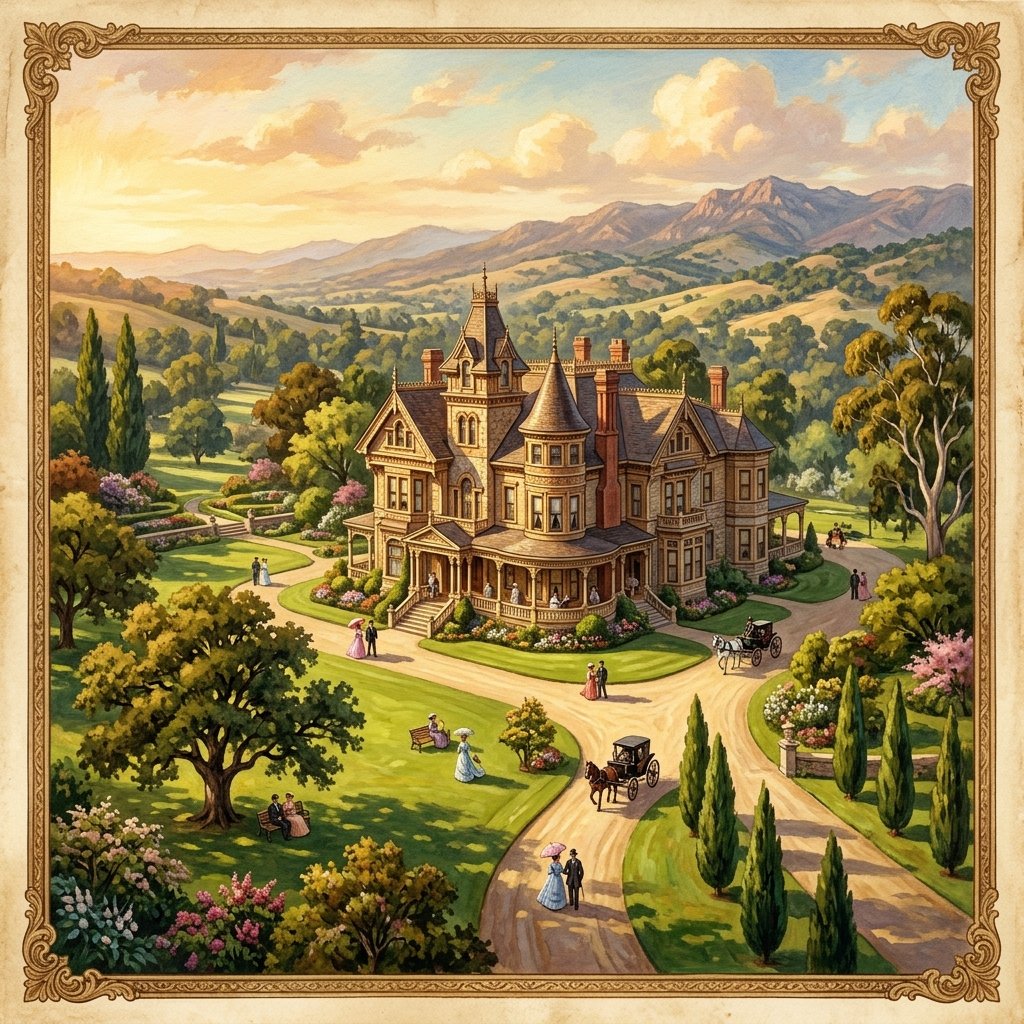
Buck lived at a big house in the sun-kissed Santa Clara Valley. Judge Miller's place, it was called. It stood back from the road, half hidden among the trees, through which glimpses could be caught of the wide cool veranda that ran around its four sides.
Buck ruled over this great domain. Here he was born, and here he had lived the four years of his life. He was not a house dog, nor a kennel dog. The whole realm was his. He plunged into the swimming tank or went hunting with the Judge's sons; he escorted the Judge's daughters on long twilight or early morning rambles; on wintry nights he lay at the Judge's feet before the roaring library fire.
The Betrayal
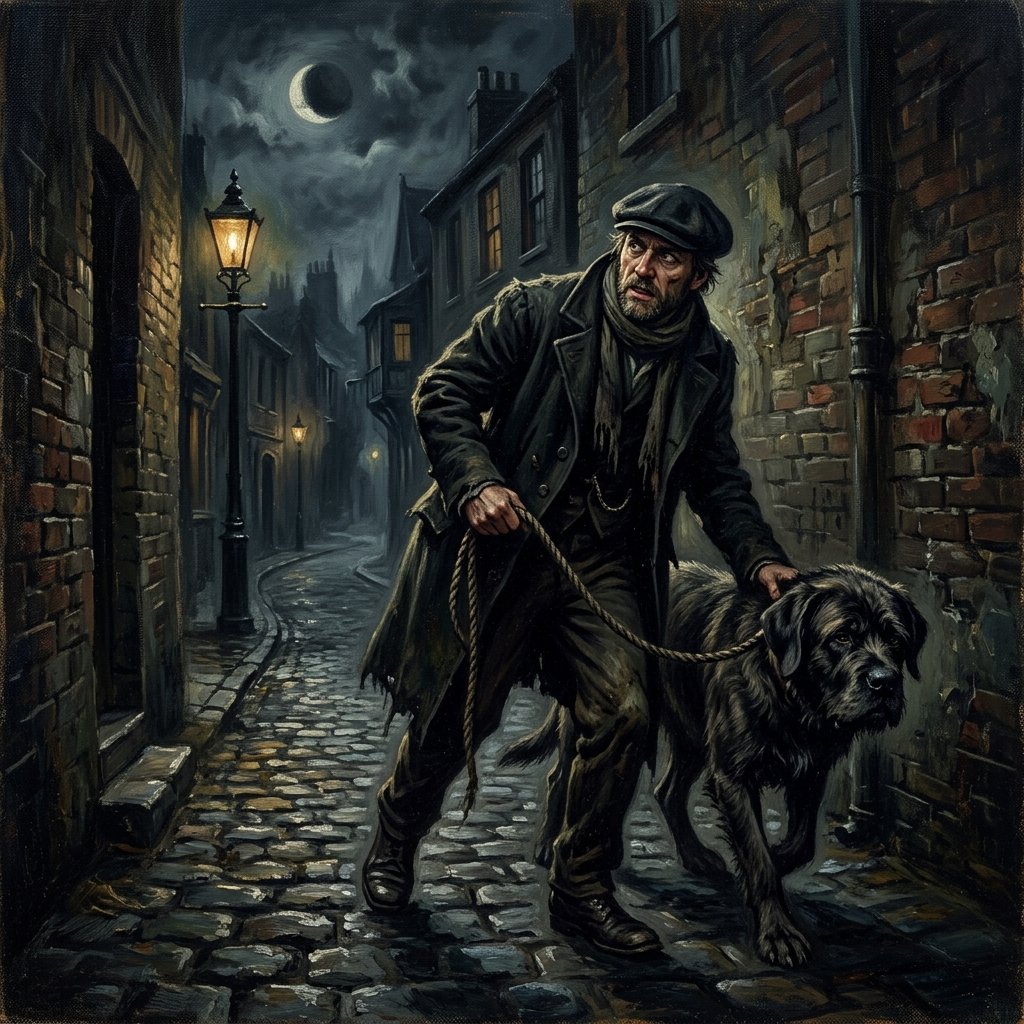
But Buck's reign was about to end. Manuel, one of the gardener's helpers, was an undesirable acquaintance. Manuel had one besetting sin. He loved to play Chinese lottery. Also, in his gambling, he had one besetting weakness—faith in a system; and this made his damnation certain. For to play a system requires money, while the wages of a gardener's helper do not lap over the needs of a wife and numerous progeny.
The Judge was at a meeting of the Raisin Growers' Association, and the boys were busy organizing an athletic club, on the memorable night of Manuel's treachery. No one saw him and Buck go off through the orchard on what Buck imagined was merely a stroll. And with the exception of a solitary man, no one saw them arrive at the little flag station known as College Park.
This man talked with Manuel, and money chinked between them. Then the man wrapped a stout rope around Buck's neck under the collar. Buck had accepted the rope with quiet dignity. To be sure, it was an unwonted performance: but he had learned to trust in men he knew. However, when the ends of the rope were placed in the stranger's hands, he growled menacingly. But to his surprise, the rope tightened, twisting his collar and choking off his breath.
The Frozen North
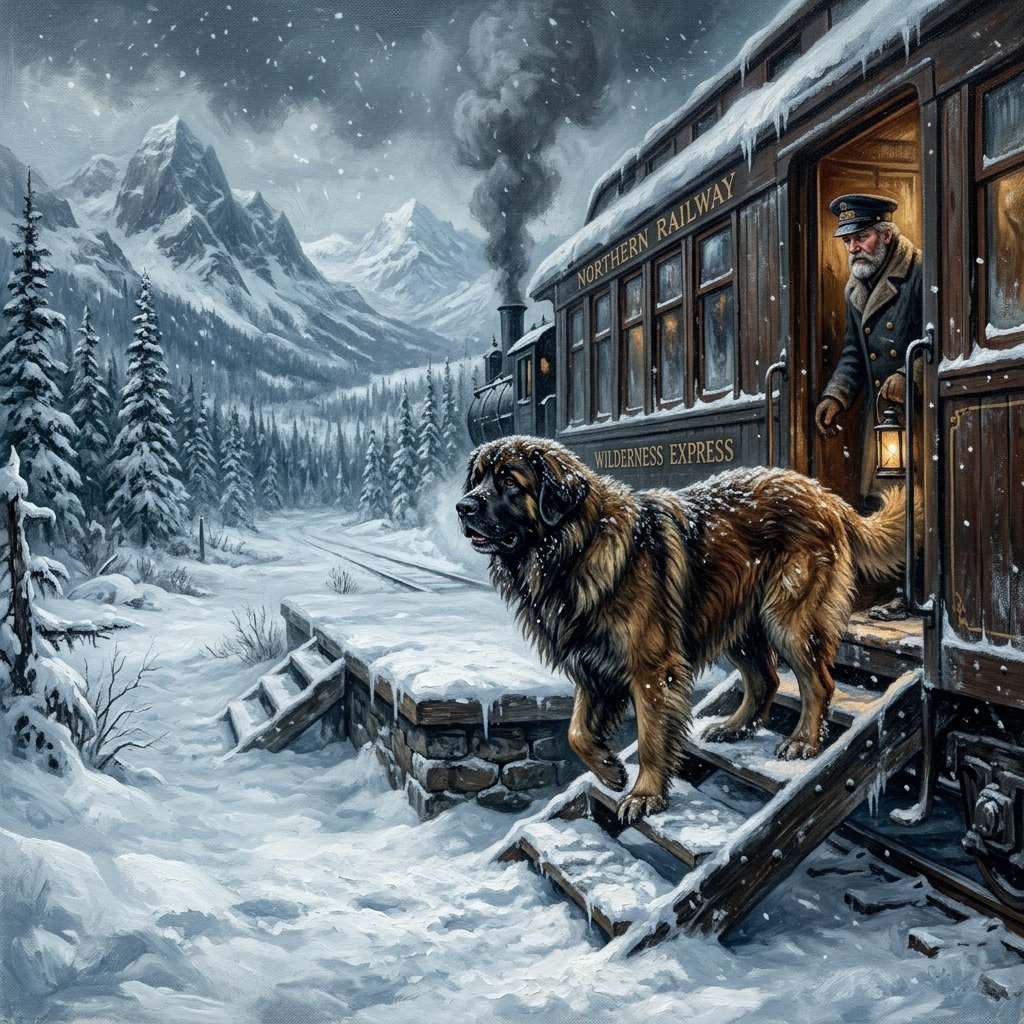
For two days and nights Buck remained in an express car, dragged across the continent. He neither ate nor drank. In his anger he had met the first advances of the express messengers with growls, and they had retaliated by teasing him. When he flung himself against the bars, quivering and frothing, they laughed at him and taunted him.
When the train finally ground to a halt, Buck found himself dragged out onto a wooden deck. The air was biting cold, like nothing he had ever felt in the warm Santa Clara Valley. A strange white mush fell from the sky, stinging his nose. He sniffed it, puzzled, then let some of it fall on his tongue. It tasted like water, but it bit like fire. The onlookers laughed, but Buck did not understand.
This was his first introduction to snow. He had been torn from civilization and dropped into the raw, unforgiving wild. And this was only the beginning.
Prowlpad Reading Notes
Jack London wrote The Call of the Wild in 1903, drawing directly on the months he spent in the Yukon during the Klondike Gold Rush of 1897. He had watched sled dogs work in conditions that destroyed men, and the experience left him with a specific question: what happens to a domesticated animal when civilization is stripped away? Buck is his answer — and it is a more complicated answer than the book's reputation suggests.
Buck does not simply revert to wildness. He moves through several identities across the novel's arc: pampered estate dog, brutalized cargo, competitive sled dog, loyal companion, and finally something older and harder to name. London understood that domestication is not a fixed state but a layered one — each generation of captivity adds another ring of habit and dependence, and each ring can be shed under sufficient pressure. For readers interested in the animal perspective in fiction, Buck remains one of literature's most searching portraits of what it costs a creature to adapt. His story is not comfortable. It is honest.