Prowlpad Logo
Prowlpad
HomeBrowse
Explore Categories β–Ύ
Dog StoriesCat StoriesWildlife & NatureFarm StoriesBird StoriesOcean StoriesFantasy AnimalsSmall Pet StoriesDinosaur StoriesRescue StoriesTrue StoriesReptile StoriesUrban Fantasy PetsInsect Stories
RankingsBlogTools
Browse
Dog StoriesDog StoriesCat StoriesCat StoriesWildlife & NatureWildlife & NatureFarm StoriesFarm StoriesBird StoriesBird StoriesView All Categories
BrowseRankingsBlogLibraryTools
Add Prowlpad on Google
Prowlpad Logo
Prowlpad

Explore

All CategoriesDog StoriesCat StoriesWildlife & NatureRankingsTools

Support

Help CenterGlossaryClassics HubAnimal SciencePet Fiction GenreEditorial Policy

Company

About UsBlogAuthorsContactWrite for Us (Articles)
Β© 2026 Prowlpad β€” Free Animal Fiction Platform
Privacy Policyβ€’Cookie Policyβ€’Terms of Serviceβ€’DMCAβ€’Sitemapβ€’AI Indexβ€’RSSβ€’
Contact: [email protected]
Add to Google Search
Home β€Ί Blog β€Ί Famous fictional dogs that changed pop culture
Animal InsightsΒ·Last Updated: July 12, 2026

Famous fictional dogs that changed pop culture

By J.T. Prowler
Famous fictional dogs that changed pop culture

In This Article

  • 1. Lassie: The Archetype of Unwavering Loyalty
  • 2. Toto: The Silent Anchor of Kansas
  • 3. Hachiko & Argus: Loyalty Beyond Death
  • 4. Snoopy: The Birth of Canine Internal Monologue
  • 5. Old Yeller: The Loss of Innocence Benchmark

πŸ“– Featured Read

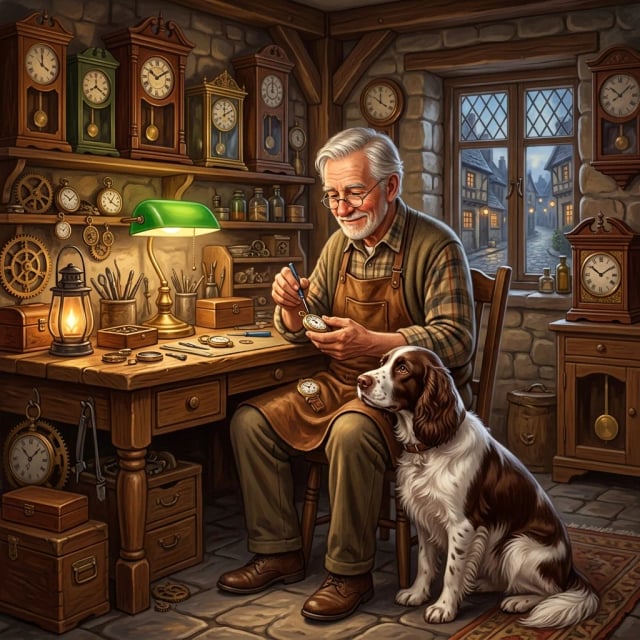
The Clockmaker's Hound cover
Heartwarming

The Clockmaker's Hound

In the quiet cobblestone village of Oakhaven, 74-year-old Master Samuel Hart has spent fifty years restoring antique clocks in his sunlit workshop. His constant companion is Copperβ€”a gentle English Springer Spaniel with silver eyebrows and a tail that thumps at steady sixty-second intervals. When Samuel's eyesight begins to fail with age, he fears his clockmaking days are over. But when the village's historic 1850 Town Square Tower Clock stops ticking after thirty years of silence, Copper becomes Samuel’s eyes, ears, and guide on an impossible race against time.

🌟 New ArrivalStart Reading β†’

From ancient folklore to modern blockbusters, dogs have occupied a singular place in human storytelling. Unlike human characters, who carry complex social baggage, fictional dogs serve as emotional anchors, moral compasses, and catalysts for transformation.

Certain fictional dogs did not just entertain audiences β€” they fundamentally reshaped pop culture, transformed breed popularity worldwide, and defined entire literary tropes.

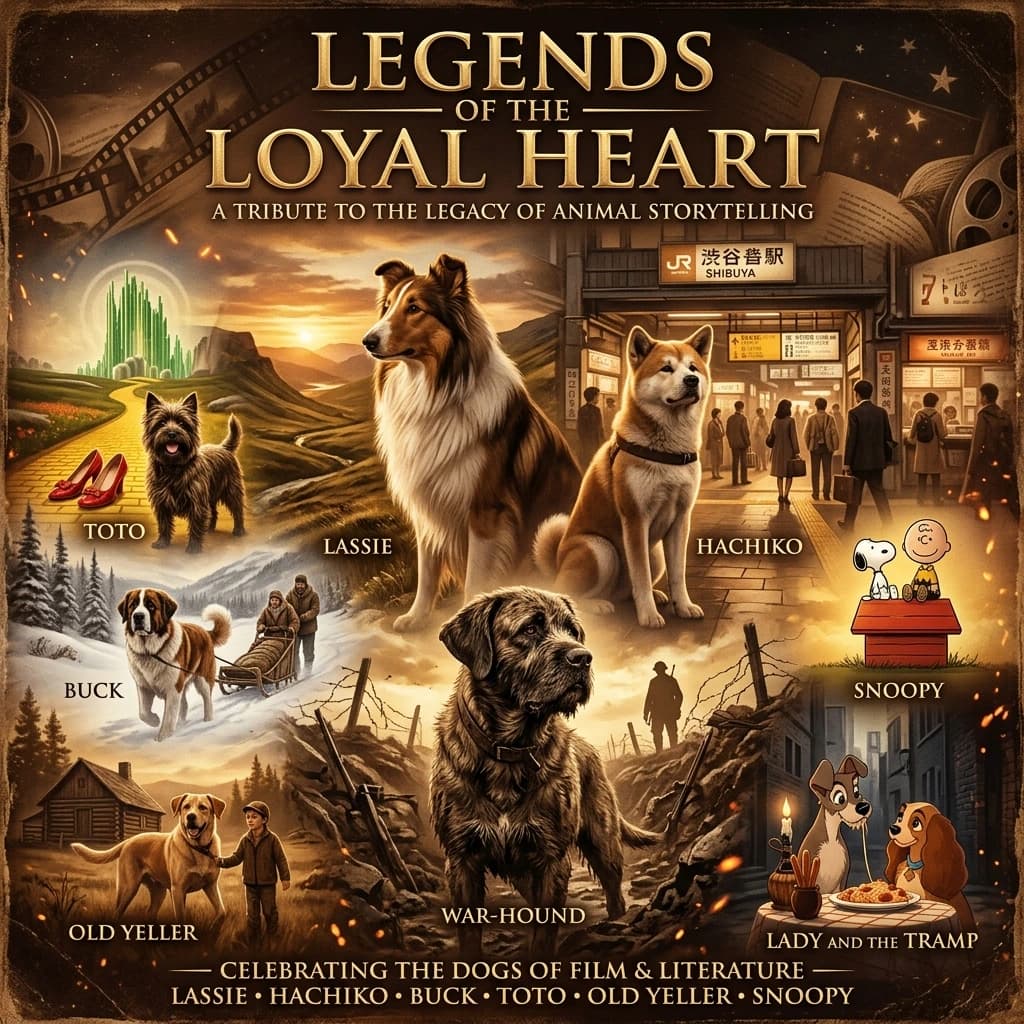
Here is an analysis of five fictional dogs that changed storytelling forever.

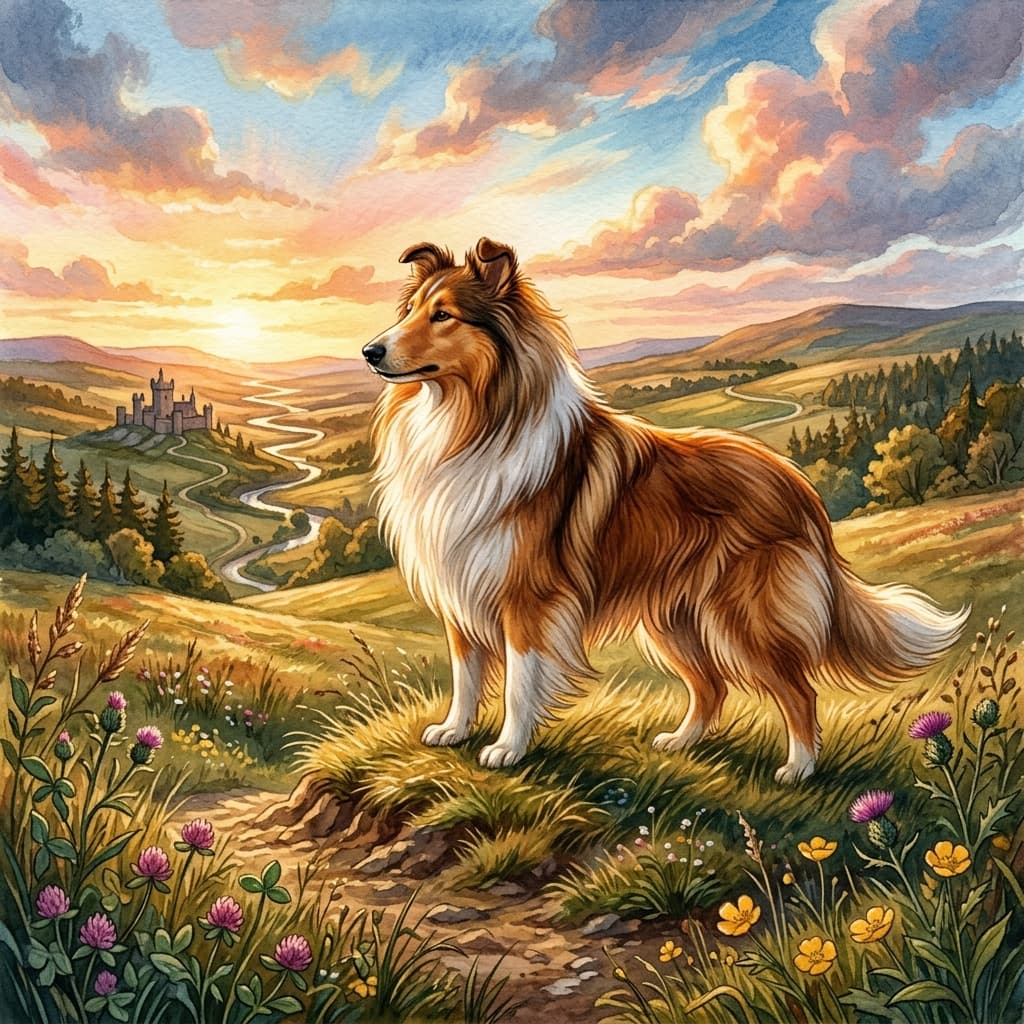
Lassie collie dog in nature

1. Lassie: The Archetype of Unwavering Loyalty

Created by Eric Knight in his 1938 short story Lassie Come-Home, the Rough Collie named Lassie set the definitive gold standard for the "heroic canine" trope.

Lassie's narrative engine was simple yet potent: no distance, harsh weather, or physical obstacle could break her drive to return to her young owner, Joe.

Pop Culture Impact:

  • The "Lassie Effect": Registration of Rough Collies with the American Kennel Club surged by over 300% during the peak of the books and television show.
  • The Heroic Rescue Formula: Lassie established the pop culture convention of the hyper-intelligent pet who alerts adults to hidden danger ("What's that, Lassie? Timmy's in the well?").

2. Toto: The Silent Anchor of Kansas

In L. Frank Baum's 1900 novel The Wonderful Wizard of Oz, Dorothy's small Cairn Terrier, Toto, plays a subtle but vital narrative role.

While Dorothy is transported to a technicolor fantasy world of magic, flying monkeys, and talking scarecrows, Toto remains completely unchanged β€” a small, pragmatic dog who barks at danger and bites the curtain to reveal the human Wizard.

Pop Culture Impact:

  • The Reality Anchor: Toto pioneered the trope of the animal companion who grounds high-fantasy narratives in emotional reality.
  • Cinematic Iconography: Terry, the female Cairn Terrier who played Toto in the 1939 film, earned a higher salary than most human bit-part actors, proving the immense commercial value of trained animal actors.

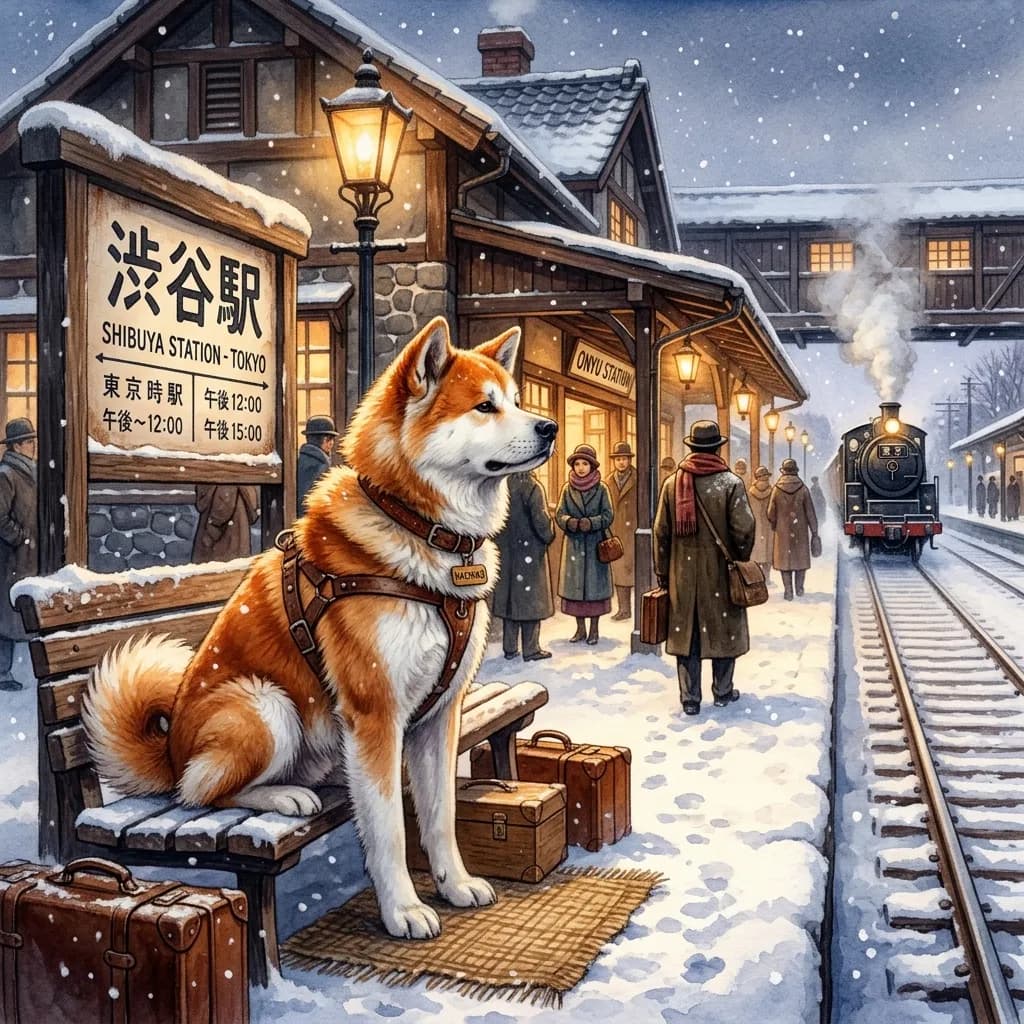
Akita dog statue monument

3. Hachiko & Argus: Loyalty Beyond Death

While Hachiko was a real Akita in Japan, his adaptation into books, films (Hachi: A Dog's Tale), and serialized fiction solidified the "Faithful Dog Waiting at the Gate" archetype β€” a trope originally seen in Homer's Odyssey with Odysseus's dog, Argus.

Pop Culture Impact:

  • The Ultimate Cathartic Trope: Stories of dogs waiting for owners who will never return hit the deepest human fear of being forgotten, while offering the comforting idea that canine love transcends death.
  • Cultural Monuments: Hachiko's story reshaped national identity in Japan, turning the Akita breed into a global symbol of quiet devotion.

4. Snoopy: The Birth of Canine Internal Monologue

Charles M. Schulz's Peanuts comic strip revolutionized how animals were depicted in media by giving Snoopy a rich, wildly imaginative internal life.

Snoopy did not speak aloud to human characters. Instead, through thought bubbles, he became a World War I flying ace, a tragic novelist, and a cool jazz musician atop his doghouse.

Pop Culture Impact:

  • Pioneering Internal Monologue: Snoopy demonstrated that animal characters could possess sophisticated internal lives and existential humor without needing to speak out loud.
  • Merchandising Titan: Snoopy proved that a stylized animal character could anchor global licensing empires worth billions.

5. Old Yeller: The Loss of Innocence Benchmark

Fred Gipson's 1956 novel Old Yeller defined the bittersweet "coming-of-age through pet loss" genre.

When Travis is forced to shoot his beloved, rabid yellow Black Mouth Cur to protect his family, it marked a turning point in young adult literature: the realization that love sometimes demands painful responsibility.

Pop Culture Impact:

  • The Emotional Benchmark: Old Yeller became the universal cultural shorthand for heartbreaking narrative endings.
  • Maturation Symbol: It established the animal loss trope as a literary metaphor for the transition from childhood innocence to adult reality.

Fictional dogs endure because they reflect our best instincts back at us. Whether jumping into a river to save a child or waiting quietly on a train platform, these five dogs didn't just tell stories β€” they taught us how to feel.

Frequently Asked Questions

Who is the most famous fictional dog?

Lassie is widely considered the most famous fictional dog, originating from a 1938 short story and becoming a global symbol of canine heroism.

Is Hachiko a true story?

Yes. Hachiko was a real Akita in Japan who waited at Shibuya Station for nine years after his owner passed away at work.

What dog story made people cry the most?

Old Yeller (1957) and Marley & Me (2005) are consistently cited as the stories that produce the strongest emotional reactions regarding canine loss.

What kind of dog was Toto?

Toto from The Wizard of Oz was a Cairn Terrier. He is famous for pulling back the curtain to reveal the truth about the supposed Wizard.

Did Lassie ruin the Collie breed?

Lassie caused a massive spike in Collie popularity. This unfortunately led to irresponsible overbreeding and completely unrealistic expectations of the breed’s natural behaviors.

J.T. Prowler

J.T. Prowler

Creator & Lead Writer

Lead Architect and Head Writer at Prowlpad. With a deep fascination for animal behavior and serialized storytelling, J.T. crafts the immersive, character-driven pet fiction that defines the Prowlpad universe.

Enjoying Prowlpad? Help more readers find usAdd us as a Preferred Source on Google
Add to Google Search

Want more stories?

Explore our library of original pet fiction and discover your next favorite read.

Explore Library β†’

Related Insights

The "Slow Pet" Movement: Why Dogs Need Sniffing More Than Running
Animal Insights2026-07-26

The "Slow Pet" Movement: Why Dogs Need Sniffing More Than Running

By J.T. Prowler
Top 10 Books Written from a Dog's Perspective
Genre Guide2026-07-19

Top 10 Books Written from a Dog's Perspective

By J.T. Prowler
Why dog stories make you cry (And why we keep reading them)
Animal Insights2026-07-01

Why dog stories make you cry (And why we keep reading them)

By J.T. Prowler