From Chewbacca and K-2SO in Star Wars to Appa in Avatar: The Last Airbender, Jon Snow's direwolf Ghost in A Song of Ice and Fire, and Lyra's dæmon Pantalaimon in His Dark Materials, animal companions occupy a central position in speculative fiction.
Why are readers and viewers so profoundly attached to non-human companions in fantasy and sci-fi landscapes?
To literary analysts, an animal companion in speculative fiction is far more than a sidekick — it is an emotional tether, a moral compass, and an external mirror for the protagonist's internal soul.
In high-concept science fiction or sprawling epic fantasy, the worldbuilding is often vast, alien, and destabilizing. Galaxies are collapsing, magic systems are complex, and political betrayals are constant.
The animal companion serves as the reader's emotional anchor.
While human characters debate interstellar policy or royal succession, the animal companion reacts with elemental simplicity:
In Philip Pullman's His Dark Materials, a person's soul lives outside their body as an animal companion called a dæmon. This genius conceit made physical what all great speculative fiction accomplishes: the animal companion is the physical externalization of the protagonist's true self.
In speculative narrative design, how a protagonist — or an antagonist — treats an animal companion is the ultimate moral barometer.
If a rogue bounty hunter in a gritty sci-fi wasteland pauses to share water with an alien hound, the audience instantly understands the character retains a core of humanity.
Conversely, if a dark lord or corrupt emperor mistreats a dragon or war-hound, their villainy is immediately sealed without needing pages of exposition.
Animals cannot speak to defend themselves in court or play political games. How a character treats a defenseless animal reveals their unvarnished ethical core.
Speculative fiction takes us to the edges of the cosmos and the depths of magical realms. But no matter how far into the stars we travel, we bring our animal companions with us — because we cannot imagine confronting the unknown without a loyal partner at our side.
Historically, folklore suggested witches and wizards used animal spirits as magical conduits. In modern fiction, familiars act as scouts and emotional support for isolated magical characters.
In Sci-Fi, an organic animal contrasts sharply against sterile technology and cold space, reminding the reader and the protagonist of their connection to nature and humanity.
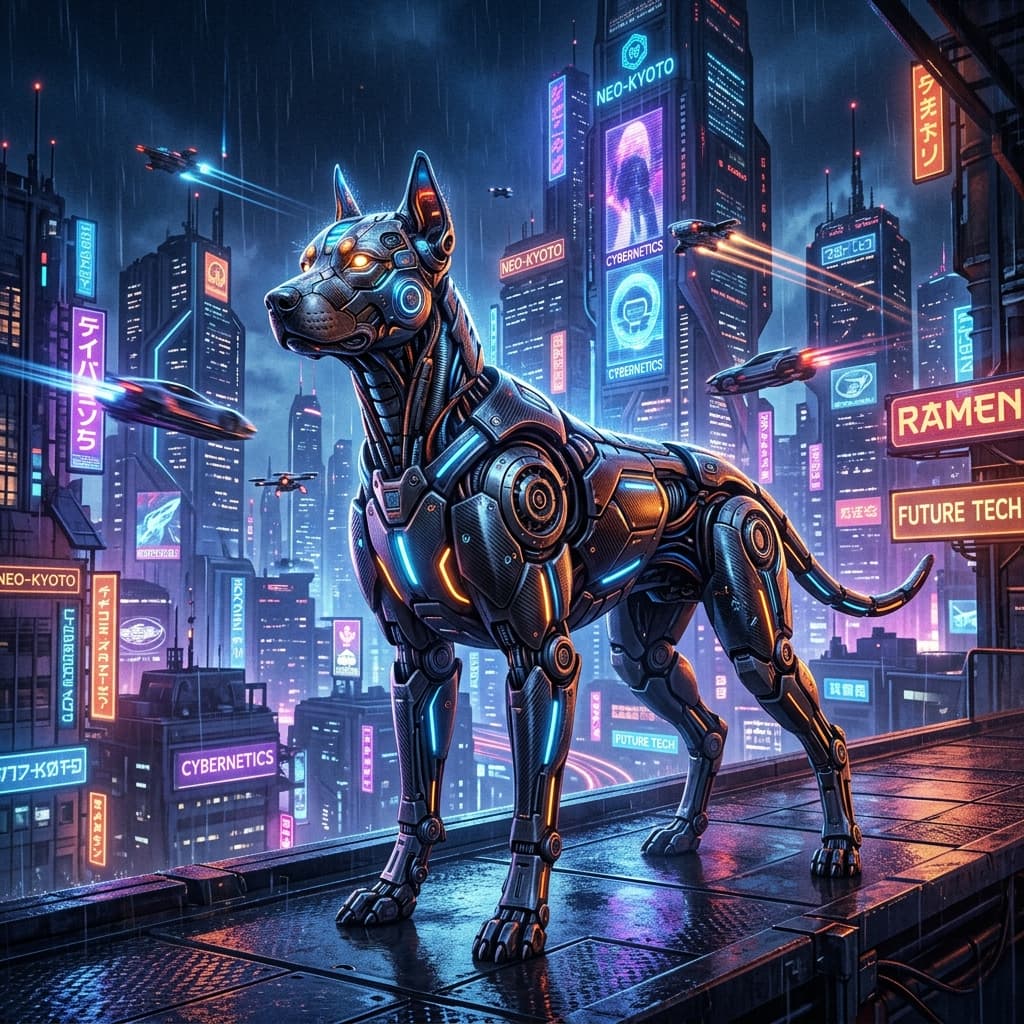
Yes. Robotic dogs or AI constructs housed in animal bodies serve the exact same psychological function as organic pets in sci-fi narratives.
Threatening a beloved, innocent animal is the fastest way to generate intense anxiety and emotional investment from the reader.
The best familiars have distinct personalities, vulnerabilities, and an unwavering loyalty that forces the protagonist to be a better version of themselves.