Prowlpad Logo
Prowlpad
HomeBrowse
Explore Categories β–Ύ
Dog StoriesCat StoriesWildlife & NatureFarm StoriesBird StoriesOcean StoriesFantasy AnimalsSmall Pet StoriesDinosaur StoriesRescue StoriesTrue StoriesReptile StoriesUrban Fantasy PetsInsect Stories
RankingsBlogTools
Browse
Dog StoriesDog StoriesCat StoriesCat StoriesWildlife & NatureWildlife & NatureFarm StoriesFarm StoriesBird StoriesBird StoriesView All Categories
BrowseRankingsBlogLibraryTools
Add Prowlpad on Google
Prowlpad Logo
Prowlpad

Explore

All CategoriesDog StoriesCat StoriesWildlife & NatureRankingsTools

Support

Help CenterGlossaryClassics HubAnimal SciencePet Fiction GenreEditorial Policy

Company

About UsBlogAuthorsContactWrite for Us (Articles)
Β© 2026 Prowlpad β€” Free Animal Fiction Platform
Privacy Policyβ€’Cookie Policyβ€’Terms of Serviceβ€’DMCAβ€’Sitemapβ€’AI Indexβ€’RSSβ€’
Contact: [email protected]
Add to Google Search
Home β€Ί Blog β€Ί Writing Animal Protagonists: A Sensory Masterclass
Genre GuideΒ·Last Updated: July 22, 2026

Writing Animal Protagonists: A Sensory Masterclass

By J.T. Prowler
Writing Animal Protagonists: A Sensory Masterclass

In This Article

  • 1. Establish the Species Sensory Hierarchy
  • 2. Relocate the Narrative Scale
  • 3. Avoid the Anthropomorphic Traps
  • 4. The Moral Clarity Principle

πŸ“– Featured Read

The White-Water Otter of Rushwater Rapids cover
River RescueOngoing

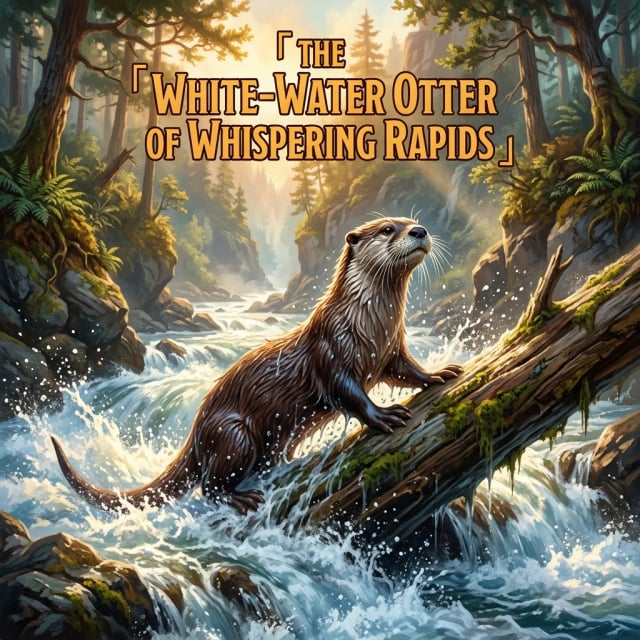
The White-Water Otter of Rushwater Rapids

A swift river otter. A swollen white-water gorge on the verge of collapse. Pippin has lived along Rushwater Rapids for seasons, knowing every underwater eddy, sunken log, and current channel in the canyon. When an unseasonal flash flood breaks an ancient beaver dam upstream, a wall of water surges down the canyon, trapping a mother fox and her three young kits on a crumbling oak tree pinned in the raging rapids. With the tree cracking under the immense pressure of the torrent, Pippin must brave the deadly white water to set a lifeline before the tree breaks apart. Will Pippin reach the trapped family in time, or will the floodwaters sweep them all into the deep gorge?

🌟 New ArrivalStart Reading β†’

Writing fiction from an animal's perspective β€” known as xenofiction β€” is one of the most rewarding yet technical challenges in creative writing.

Done poorly, animal stories become cartoonish, preachy, or absurd (a dog contemplating existential philosophy in standard English). Done masterfully, xenofiction creates an immersive sensory experience that shakes readers out of human complacency and re-enchants the physical world.

Here is the definitive four-part framework for crafting believable, deeply resonant animal protagonists.

Author writing at desk with cat resting beside notebook

1. Establish the Species Sensory Hierarchy

Human fiction relies heavily on visual color and verbal dialogue. Animal fiction must abandon these human crutches and adopt the protagonist's actual biological sensory hierarchy.

  • For a Dog: Scent comes first (60%), Sound second (25%), Touch third (10%), Sight last (5%). Describe characters by their distinct chemical odor profile (sweat chemistry, cortisol, soap traces) rather than their coat colors.
  • For a Cat: Sound and Whisker Pressure come first (45%), Motion Sight second (35%), Scent third (20%). Build scenes through acoustic pitch, thermal draft shifts, and micro-movements.

If your dog protagonist "notices a man wearing a blue jacket," you have failed the sensory hierarchy. A dog notices a tall scent-signature smelling of old tobacco and damp wool moving with an uneven footfall.

2. Relocate the Narrative Scale

In human fiction, stakes are often artificial: money, career promotions, or social reputation.

In animal fiction, stakes are primal and physically localized:

  • A closed door is not a minor inconvenience β€” it is a territorial barrier blocking access to water or safety.
  • A sudden thunderstorm is not weather β€” it is an acoustic bombardment that overloads the auditory cortex.
  • A strange cat sitting on a fence is not scenery β€” it is an active border violation threatening resource access.

Elevate everyday physical obstacles into life-or-death challenges by grounding them in the animal's physical size and vulnerability.

Dog navigating city street

3. Avoid the Anthropomorphic Traps

The single biggest error novice xenofiction authors make is linguistic over-anthropomorphism.

An animal character should possess complex emotions (loyalty, fear, grief, territorial pride), but their internal monologue must not use abstract human concepts:

  • Wrong: "Barnaby contemplated the futility of his domestic existence."
  • Right: "The room felt small. The scent of the outer woods drifted beneath the door, sharp and cold, calling to the muscle in his legs."

Translate abstract human thoughts into concrete physical instincts, scent associations, and remembered sensory experiences.

4. The Moral Clarity Principle

Animal characters engage readers because they do not participate in human social deceit. They operate on a clear, unpolluted moral axis:

  • Protection of the pack/litter
  • Loyalty to chosen companions
  • Respect for physical strength and territory
  • Survival through hard winter

Ensure your animal protagonist's choices stem directly from these elemental drivers. When an animal chooses self-sacrifice or bravery, it hits the reader with unadulterated emotional force because it is unburdened by ego or vanity.


Writing animal fiction is an act of radical empathy. It requires you to step outside human vanity, lower your eyes to knee-level, open your senses to the air, and report on a world far larger than human words.

Frequently Asked Questions

What is xenofiction?

Xenofiction is a sub-genre of fiction where the story is told entirely from the perspective of a non-human entity, usually an animal.

Can an animal protagonist have internal thoughts?

Yes, but the thoughts should be framed around instinct, memory associations, and sensory input, rather than abstract human philosophy.

How do you describe a human from a dog's perspective?

Describe the human by their unique scent, the heavy sound of their footsteps, and the tone of their voice, referred to as the "Tall One" or the "Pack Leader."

Is Watership Down considered xenofiction?

Yes. Watership Down is the gold standard for the genre, combining animal biology with a unique, constructed culture and mythology.

How do cats see the world in books?

Cats see the world vertically. Describe them prioritizing high vantage points, focusing on tiny movements, and mapping the safest escape routes in every room.

J.T. Prowler

J.T. Prowler

Creator & Lead Writer

Lead Architect and Head Writer at Prowlpad. With a deep fascination for animal behavior and serialized storytelling, J.T. crafts the immersive, character-driven pet fiction that defines the Prowlpad universe.

Enjoying Prowlpad? Help more readers find usAdd us as a Preferred Source on Google
Add to Google Search

Want more stories?

Explore our library of original pet fiction and discover your next favorite read.

Explore Library β†’

Related Insights

Top 10 Books Written from a Dog's Perspective
Genre Guide2026-07-19

Top 10 Books Written from a Dog's Perspective

By J.T. Prowler
5 Best Books Where the Main Character Is a Cat
Genre Guide2026-07-18

5 Best Books Where the Main Character Is a Cat

By J.T. Prowler
Why the "Warriors" Cat Series Became a Massive Cultural Phenomenon
Genre Guide2026-07-15

Why the "Warriors" Cat Series Became a Massive Cultural Phenomenon

By J.T. Prowler