Prowlpad Logo
Prowlpad
HomeBrowse
Explore Categories ▾
Dog StoriesCat StoriesWildlife & NatureFarm StoriesBird StoriesOcean StoriesFantasy AnimalsSmall Pet StoriesDinosaur StoriesRescue StoriesTrue StoriesReptile StoriesUrban Fantasy PetsInsect Stories
RankingsBlogTools
Browse
Dog StoriesDog StoriesCat StoriesCat StoriesWildlife & NatureWildlife & NatureFarm StoriesFarm StoriesBird StoriesBird StoriesView All Categories
BrowseRankingsBlogLibraryTools
Add Prowlpad on Google
Prowlpad Logo
Prowlpad

Explore

All CategoriesDog StoriesCat StoriesWildlife & NatureRankingsTools

Support

Help CenterGlossaryClassics HubAnimal SciencePet Fiction GenreEditorial Policy

Company

About UsBlogAuthorsContactWrite for Us (Articles)
© 2026 Prowlpad — Free Animal Fiction Platform
Privacy Policy•Cookie Policy•Terms of Service•DMCA•Sitemap•AI Index•RSS•
Contact: [email protected]
Add to Google Search
Home › Blog › The hidden life of urban cats
Feline Facts·Last Updated: July 6, 2026

The hidden life of urban cats

By J.T. Prowler
The hidden life of urban cats

In This Article

  • Verticality: The Architectural Empire of the Feline
  • The Scent Highway: Olfactory Mapping in Concrete Spaces
  • Light, Drafts, and Thermal Micro-Climates
  • Managing Environmental Ennui in Indoor Spaces

📖 Featured Read

The Cinnamon Bay Cat Sleuth cover
Mystery

The Cinnamon Bay Cat Sleuth

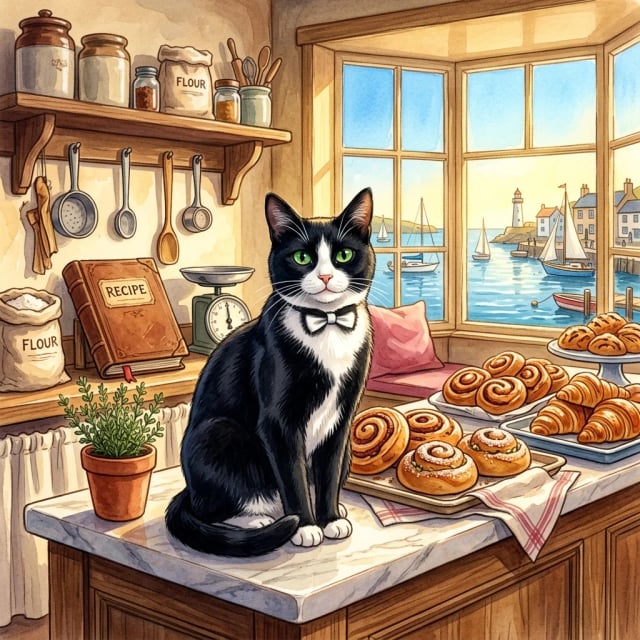
In the charming coastal town of Cinnamon Bay, thirty-one-year-old Nora Vance runs The Salted Crumb Bakery—famous for its warm cinnamon rolls and cardamom pastries. Her quiet partner is Barnaby, a handsome tuxedo cat with a natural white bowtie marking on his chest and an extraordinary knack for observing details. When a prized 1890 leather-bound heirloom recipe book carrying a century-old town secret vanishes from the bakery safe at midnight, Nora faces losing her business right before the Grand Coastal Pastry Cup. Can Barnaby's sharp eyes and flour-dusted clue trail uncover the truth before the oven cools?

🌟 New ArrivalStart Reading →

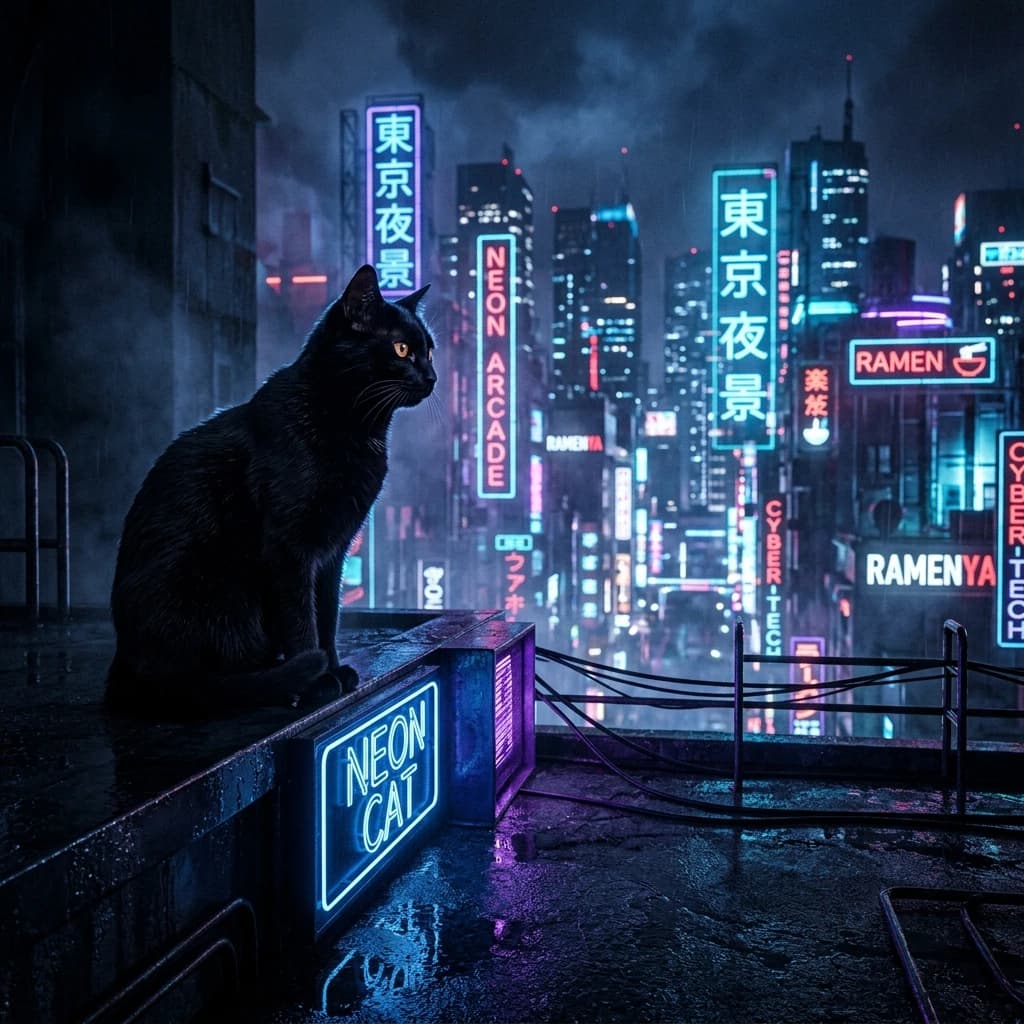
An indoor cat perches on a third-story window sill, watching streetlamps flicker to life. To a human observer, the city is a concrete grid of traffic, noise, and steel. To a cat, that exact same urban landscape is a multi-tiered hunting territory, a scent map of vertical corridors, and a complex ecosystem of micro-climates.

Domestic cats (Felis catus) are obligate predators whose cognitive architecture remains nearly identical to their wild African ancestor, Felis lybica. Living in modern high-rises or suburban neighborhoods has not altered their fundamental territorial programming.

Verticality: The Architectural Empire of the Feline

In wild habitats, felids evaluate territory across three dimensions. Height provides two critical tactical advantages: predator avoidance and elevated visual surveillance.

In an urban apartment, an indoor cat treats bookshelves, refrigerator tops, door frames, and window sills as strategic high-ground perches.

  • The High Perch (Security Zone): A cat resting on top of a 7-foot wardrobe experiences a sharp drop in cortisol. They can survey the entire room without fear of an unexpected approach from behind or above.
  • The Ground Runway (Patrol Zone): Hallways and open floor spaces are used for rapid movement and territory checks, but are rarely chosen for deep sleep.

Owners who fail to provide vertical climbing structures often notice behavioral stress — scratching furniture, territorial spraying, or sudden aggression. Providing cat trees and wall shelves isn't luxury decor; it satisfies a primal requirement for vertical territory.

Cat looking out high rise window

The Scent Highway: Olfactory Mapping in Concrete Spaces

Humans navigate cities using street signs and GPS. Urban cats navigate their home territory through an invisible chemical map.

Cats possess specialized scent glands around their cheeks, chin, forehead, flanks, and paw pads. Every time your cat rubs their cheek against a door frame, couch corner, or your chair leg, they deposit facial pheromones (specifically F3 feline facial pheromones).

This behavior — called bunting — converts an unfamiliar or sterile urban space into a safe, reassuring territory.

When owners clean aggressively with harsh chemical detergents or introduce new furniture, they erase the cat's scent map. This triggers territorial disorientation. The cat responds by frantically re-marking boundaries, sometimes escalating to spraying or excessive scratching to restore their olfactory security blanket.

Light, Drafts, and Thermal Micro-Climates

A 10-pound domestic cat has a higher baseline body temperature than a human (100.5°F to 102.5°F) and a thermoneutral zone of 86°F to 100°F.

This explains why urban cats conduct daily migrations across an apartment:

  • At 9:00 AM, they sleep in the patch of morning sunlight hitting the living room rug.
  • At 1:00 PM, they move to the warm exhaust air near the refrigerator compressor.
  • At 6:00 PM, they curl up on the router or laptop keyboard.

They are tracking thermal micro-climates. In a climate-controlled apartment, finding localized heat sources allows the cat's body to maintain core temperature without expending metabolic energy.

Cat sleeping in sunbeam

Managing Environmental Ennui in Indoor Spaces

The primary threat to an urban cat's health is not predators — it is environmental boredom (ennui).

A wild cat spends 6 to 8 hours a day hunting, stalking, and patrolling a territory spanning several acres. An indoor cat whose food bowl is filled twice a day suffers from a complete absence of predatory outlets.

To keep an urban cat mentally sharp:

  • Deploy Puzzle Feeders: Ditch standard bowls. Force the cat to use paws and intelligence to extract kibble from puzzle toys, mimicking natural foraging.
  • Rotate Novel Scents: Bring outside objects into the apartment — a clean fallen leaf, a pinecone, or a piece of cardboard from a package. The novel scent profiles stimulate their olfactory cortex.
  • Window Perches with Visual Stimulation: Position perches near bird feeders or active streets to provide "cat TV" — visual tracking that keeps the predatory mind engaged.

Your living room is not just a room. Through your cat's eyes, it is a complex, three-dimensional kingdom of scent highways, high-altitude perches, and thermal oases. Understanding how they read the space is the secret to sharing it peacefully.

Frequently Asked Questions

What do cats do at night?

Urban cats patrol territories, mark boundaries with scent, and interact with other cats in silent social hierarchies invisible to humans.

Are house cats active at night?

Cats are naturally active at dawn and dusk. But urban cats adapt their schedules to the quietest hours of the night to hunt safely.

How do cats find their way home at night?

Cats use a combination of mental landmarks, a sophisticated scent map, and an internal compass linked to the Earth's magnetic field.

Why do cats stare at each other without fighting?

Cats engage in silent standoffs to negotiate territory through posture. They want to avoid physical fights that cause injuries.

Do indoor cats have territories?

Yes. Indoor cats map their homes identically to outdoor cats. They mark high traffic areas with cheek rubs and establish sleeping dominance.

J.T. Prowler

J.T. Prowler

Creator & Lead Writer

Lead Architect and Head Writer at Prowlpad. With a deep fascination for animal behavior and serialized storytelling, J.T. crafts the immersive, character-driven pet fiction that defines the Prowlpad universe.

Enjoying Prowlpad? Help more readers find usAdd us as a Preferred Source on Google
Add to Google Search

Want more stories?

Explore our library of original pet fiction and discover your next favorite read.

Explore Library →

Related Insights

Why Do Cats Knead? The Instinct Behind "Making Biscuits"
Feline Facts2026-08-01

Why Do Cats Knead? The Instinct Behind "Making Biscuits"

By J.T. Prowler
Why Does My Cat Stare at Me? 5 Reasons (And What to Do)
Feline Facts2026-07-31

Why Does My Cat Stare at Me? 5 Reasons (And What to Do)

By J.T. Prowler
Feline Intuition: The Biological Super-Senses of Cats
Feline Facts2026-07-26

Feline Intuition: The Biological Super-Senses of Cats

By J.T. Prowler