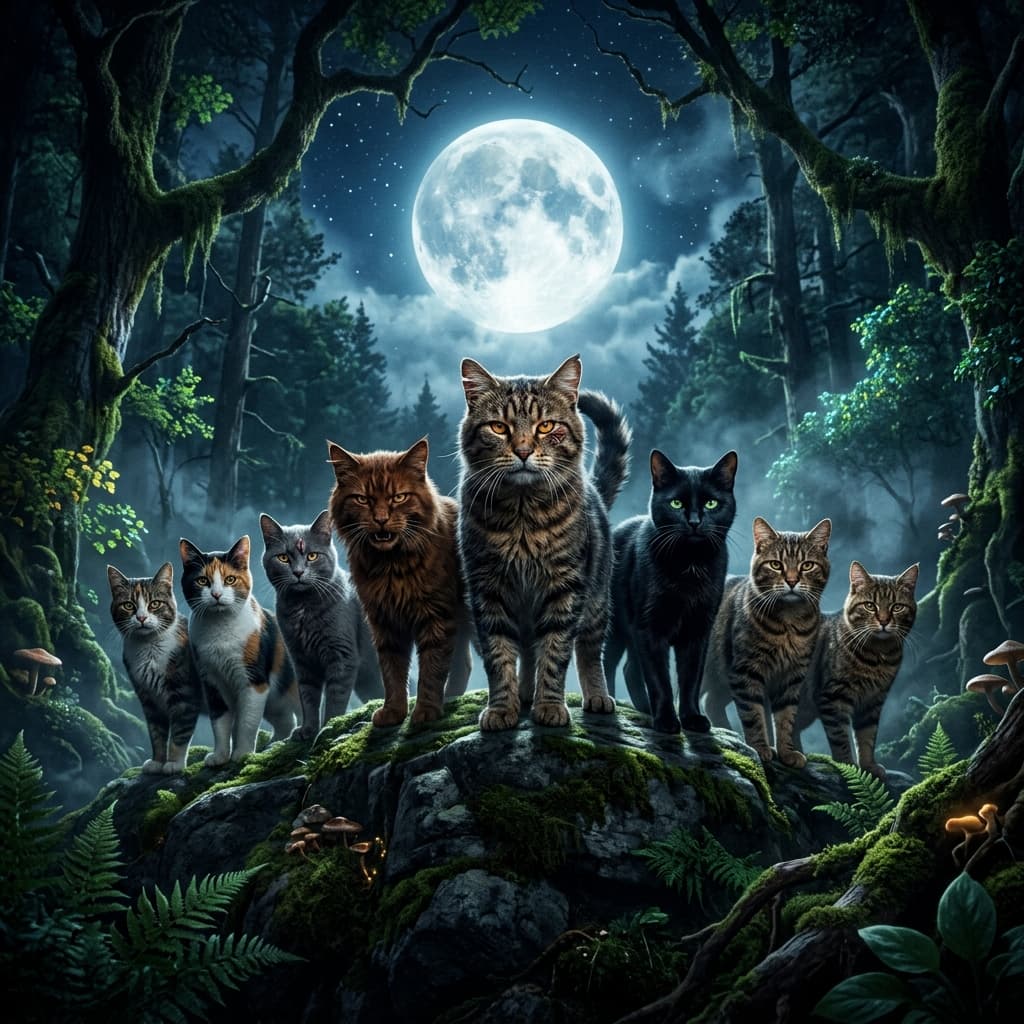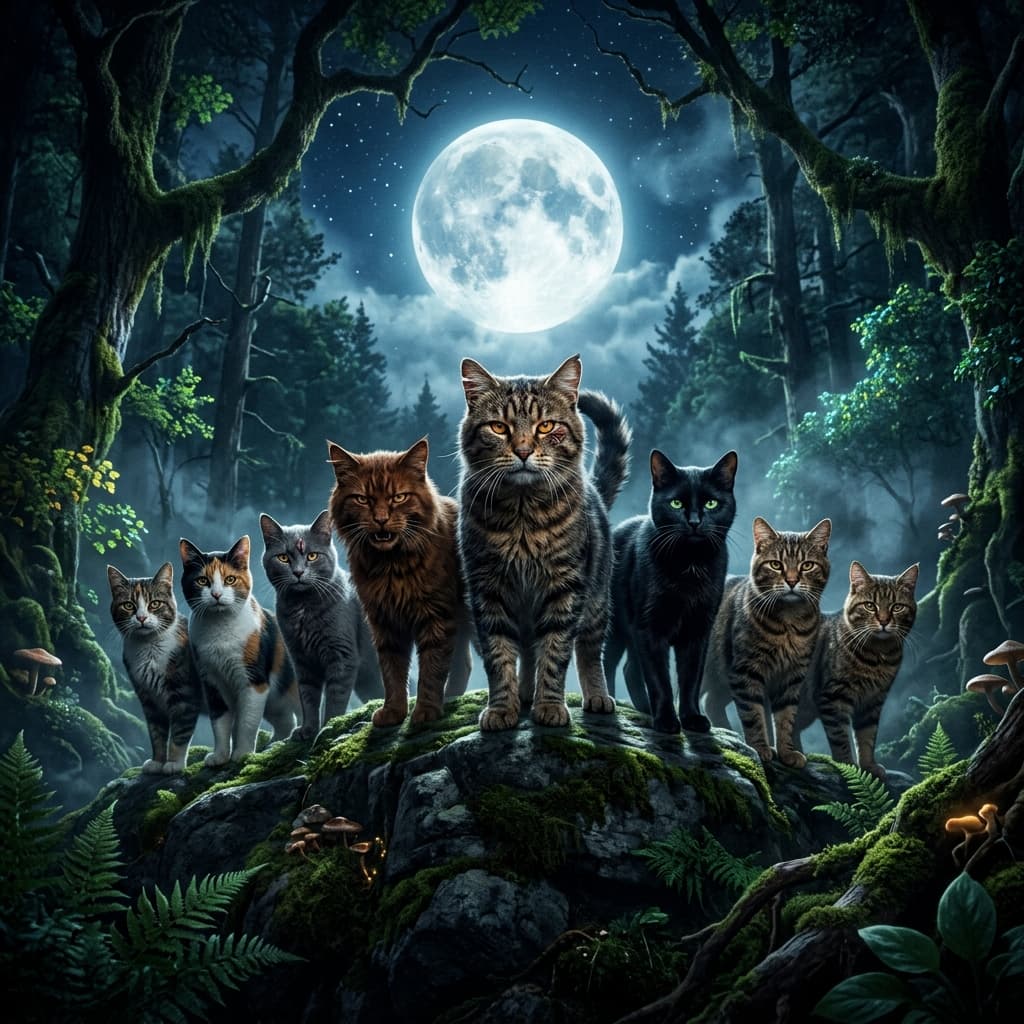
In 2003, HarperCollins published a middle-grade novel called Into the Wild, written under the pseudonym "Erin Hunter." The premise sounded straightforward: a domestic pet cat named Rusty leaves his suburban home to join ThunderClan, one of four wild cat clans fighting for territory in a local forest.
Publishing executives expected a modest, cute animal series for 10-year-olds.
What actually happened was a literary explosion. Over twenty years later, the Warriors franchise spans over 80 main-series novels, dozens of super editions and manga volumes, 90 million copies sold worldwide, and a Disney+ animated series adaptation announcement.
How did a series about feral cats become an internet juggernaut that defined an entire generation of digital creators?
The fundamental secret of Warriors was that creators Victoria Holmes, Kate Cary, and Cherith Baldry refused to talk down to young readers.
While mainstream children's publishing in the early 2000s heavily sanitized danger and moral conflict, Warriors leaned directly into raw stakes:
To a 10-year-old reader, Warriors did not feel like a children's book. It felt like Game of Thrones with paws.
Warriors was not merely a survival story — it was an epic fantasy anchored in a distinct spiritual mythology.
The living cats were guided (and occasionally misled) by StarClan, the spirits of their deceased ancestors who resided in the stars. StarClan communicated through cryptic prophecies delivered to Clan medicine cats during moonlit gatherings at the Moonstone.
This spiritual layer added profound weight to the narrative. When a Clan leader was appointed, StarClan granted them nine lives, accompanied by intense physical and spiritual visions. When a leader lost a life in battle, the loss was physical, painful, and permanent once all nine were exhausted. This mechanic created tension that traditional fantasy series rarely achieved.
If the books provided the spark, the early internet provided the oxygen that turned Warriors into an unstoppable cultural phenomenon.
Because the franchise featured hundreds of named, visually distinct cats — each with specific pelt patterns, eye colors, and tragic backstories — it became the ultimate playground for young artists online.
In the mid-2000s and 2010s, YouTube became dominated by Warrior Cat MAPs (Multi-Animator Projects). Dozens of teen animators would divide a song into five-second segments, each animating their assigned cat character scene, and compile them into a seamless music video.
These MAPs served as an informal animation academy. An entire generation of modern professional animators, storyboard artists, and character designers working in the animation industry today got their start at age 13 animating Tigerstar's death scene or Bluestar's grief on YouTube.
The legacy of Warriors extends far beyond traditional print publishing. It proved that xenofiction (animal-perspective storytelling) possessed immense commercial and emotional potential.
It established the blueprint for modern digital serialized fiction platforms like Prowlpad, demonstrating that readers crave:
Warriors succeeded because it took cats — and its readers — completely seriously. By treating feral cat territory disputes with the gravity of a historical war saga, Erin Hunter created a universe that outlived its original era and reshaped how we think about animal fiction.
Erin Hunter is a pseudonym. The series was originally created by Victoria Holmes and written by Kate Cary and Cherith Baldry, with other authors joining later.
As of the mid-2020s, there are over 80 main-series books, plus dozens of super editions, novellas, and manga adaptations.
Yes. The series features realistic animal combat, fatal injuries, and characters dealing with severe trauma and grief.
The massive cast of visually distinct characters makes it perfect for fan artists to practice character design and collaborative animation.
It is targeted at ages 9-12 (Middle Grade), but the dense lore and complex themes retain a massive adult readership.