Prowlpad Logo
Prowlpad
HomeBrowse
Explore Categories β–Ύ
Dog StoriesCat StoriesWildlife & NatureFarm StoriesBird StoriesOcean StoriesFantasy AnimalsSmall Pet StoriesDinosaur StoriesRescue StoriesTrue StoriesReptile StoriesUrban Fantasy PetsInsect Stories
RankingsBlogTools
Browse
Dog StoriesDog StoriesCat StoriesCat StoriesWildlife & NatureWildlife & NatureFarm StoriesFarm StoriesBird StoriesBird StoriesView All Categories
BrowseRankingsBlogLibraryTools
Add Prowlpad on Google
Prowlpad Logo
Prowlpad

Explore

All CategoriesDog StoriesCat StoriesWildlife & NatureRankingsTools

Support

Help CenterGlossaryClassics HubAnimal SciencePet Fiction GenreEditorial Policy

Company

About UsBlogAuthorsContactWrite for Us (Articles)
Β© 2026 Prowlpad β€” Free Animal Fiction Platform
Privacy Policyβ€’Cookie Policyβ€’Terms of Serviceβ€’DMCAβ€’Sitemapβ€’AI Indexβ€’RSSβ€’
Contact: [email protected]
Add to Google Search
Home β€Ί Blog β€Ί Why we are obsessed with rescue stories
Animal AdvocacyΒ·Last Updated: July 8, 2026

Why we are obsessed with rescue stories

By J.T. Prowler
Why we are obsessed with rescue stories

In This Article

  • The Psychology of the Rescue Arc: Trauma to Trust
  • Moral Redemption Without Human Complexity
  • The Mutual Rescue Phenomenon: Who Saved Whom?
  • Writing Authentic Rescue Stories Without Manipulation

πŸ“– Featured Read

The White-Water Otter of Rushwater Rapids cover
River RescueOngoing

The White-Water Otter of Rushwater Rapids

A swift river otter. A swollen white-water gorge on the verge of collapse. Pippin has lived along Rushwater Rapids for seasons, knowing every underwater eddy, sunken log, and current channel in the canyon. When an unseasonal flash flood breaks an ancient beaver dam upstream, a wall of water surges down the canyon, trapping a mother fox and her three young kits on a crumbling oak tree pinned in the raging rapids. With the tree cracking under the immense pressure of the torrent, Pippin must brave the deadly white water to set a lifeline before the tree breaks apart. Will Pippin reach the trapped family in time, or will the floodwaters sweep them all into the deep gorge?

🌟 New ArrivalStart Reading β†’

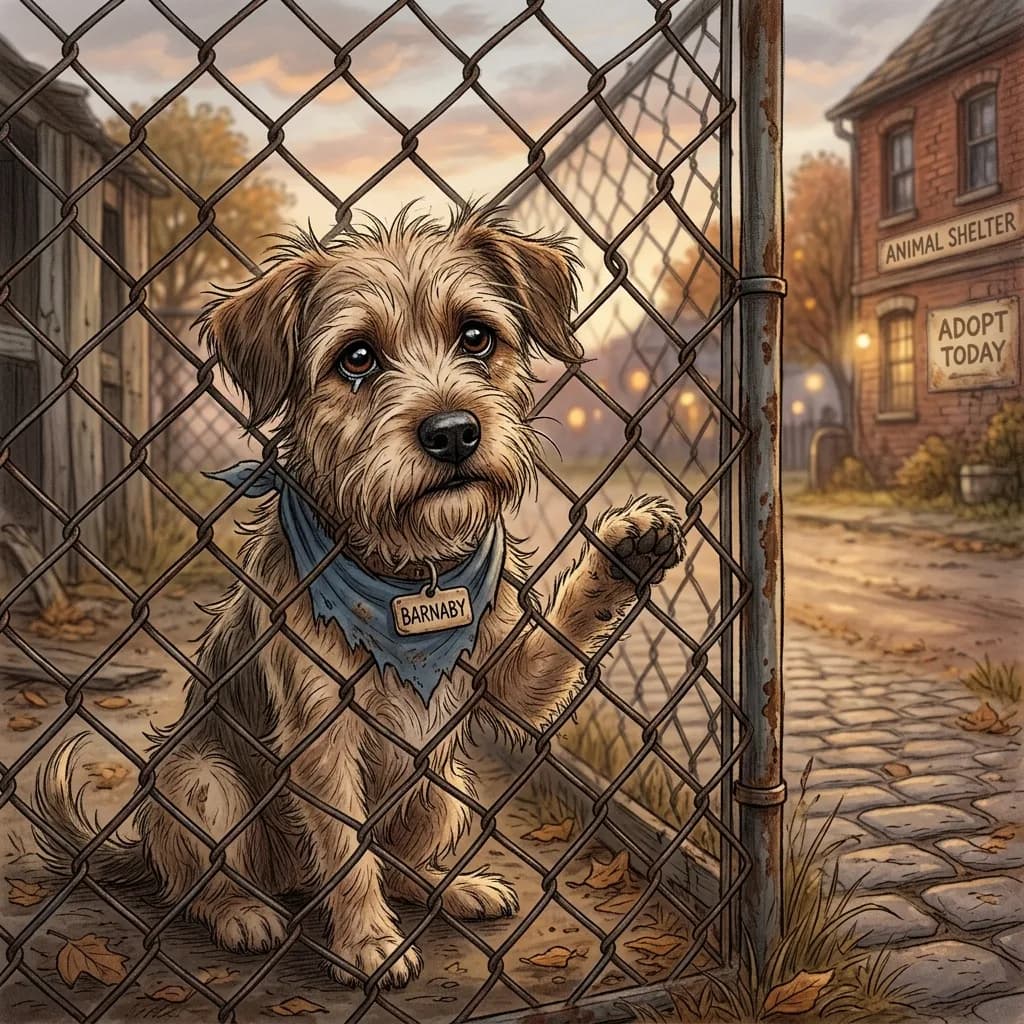
A rain-soaked box on a curb. A frightened dog cowering in the back corner of a shelter kennel. A cat with matted fur slowly extending one tentative paw toward a human hand.

Rescue stories represent one of the most popular, emotional, and enduring categories in modern literature and digital media. From viral social media adoption videos to bestselling books like A Dog's Purpose and Arthur: The Dog Who Crossed the Jungle, tales of animal rescue strike an emotional nerve that few other narratives can match.

Why are humans so deeply obsessed with stories of saving animals?

The answer lies at the intersection of trauma recovery psychology, moral redemption, and the search for authentic emotional connection.

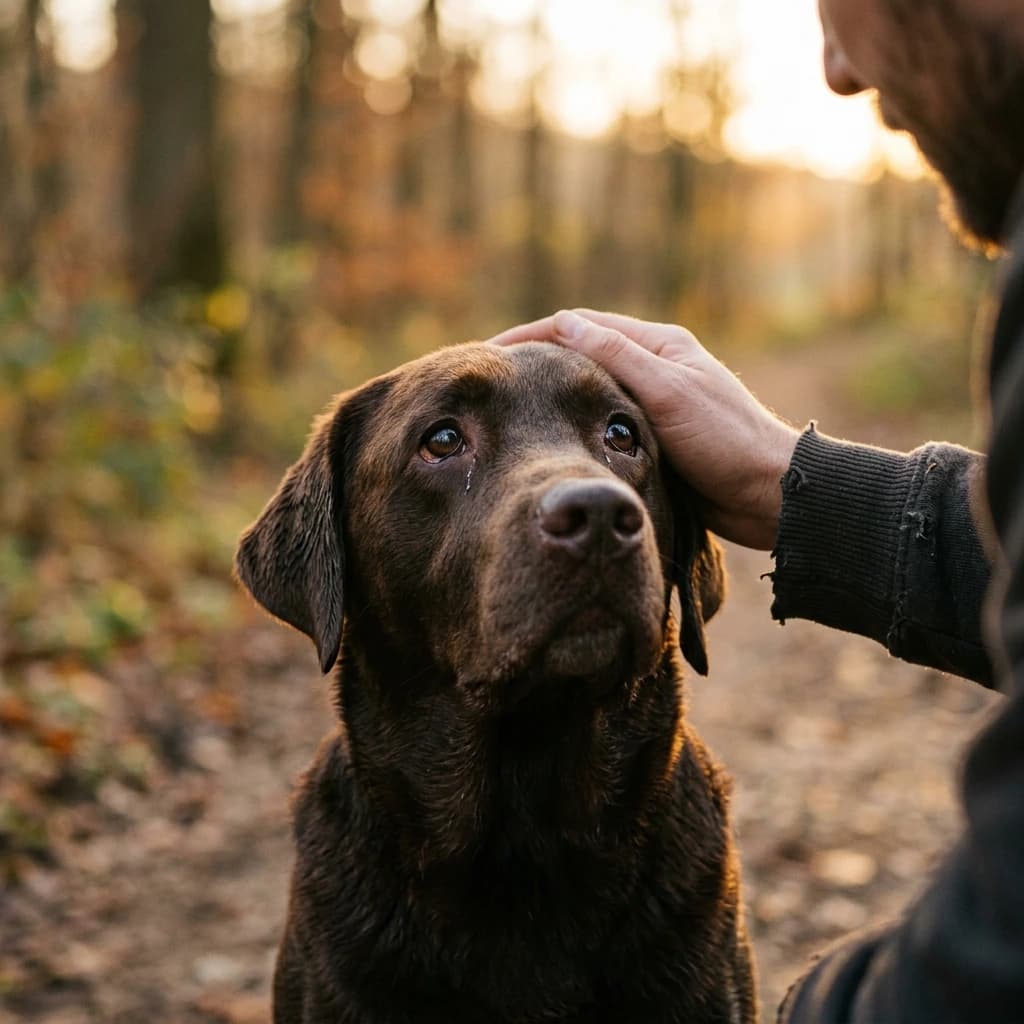
Rescue dog looking up

The Psychology of the Rescue Arc: Trauma to Trust

At its core, every great rescue story is a narrative of trauma recovery.

When a reader follows a rescue animal's journey, they witness a specific three-act psychological transformation:

  1. The Vulnerable State: The animal begins in a state of abandonment, neglect, or physical injury. They are fearful, reactive, or shut down.
  2. The Patient Bridge: A human savior approaches not with force, but with quiet patience, consistency, and food. Trust is built in small, fragile increments.
  3. The Transformation: The animal blossoms. The dull coat brightens, the tail wags, and the fearful eyes soften into absolute loyalty.

This arc resonates deeply with human psychological needs. Many people carry hidden emotional wounds, past rejections, or feelings of isolation. Watching a traumatized animal learn to trust again offers a safe, symbolic assurance that healing is possible after hardship.

Moral Redemption Without Human Complexity

In human drama, saving someone is complicated. Human relationship dynamics carry baggage, pride, and moral ambiguity.

Animal rescue offers pure, unadulterated moral clarity.

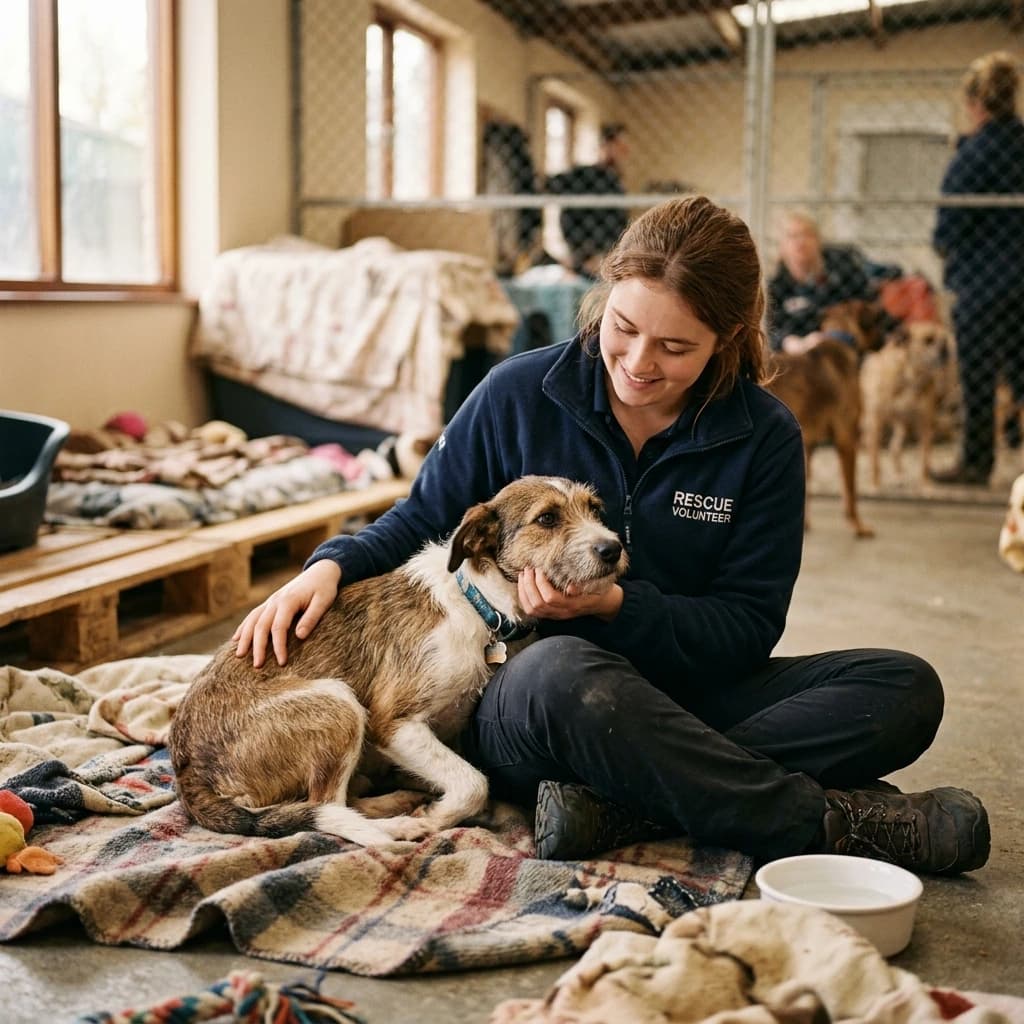
When a human steps up to rescue an abused shelter dog or a stray kitten:

  • There is no debate about whether the animal "deserved" help.
  • The animal cannot lie, manipulate, or harbor hidden motives.
  • The act of rescue is an absolute, uncomplicated moral good.

In a world filled with moral ambiguity and societal stress, rescue stories serve as an emotional palette cleanser. They remind us that humans are capable of selfless protection and gentle stewardship over weaker creatures.

Happy adopted rescue dog running in grass

The Mutual Rescue Phenomenon: Who Saved Whom?

The phrase "Who rescued whom?" is a clichΓ© on bumper stickers, but it describes a genuine psychological reality documented by researchers.

Studies on human-animal bonds show that adopting a rescue animal produces measurable mental health benefits for the adopter:

  • Decreased symptoms of PTSD, anxiety, and clinical depression.
  • Lower resting blood pressure and reduced cortisol levels.
  • A restored sense of purpose through caretaking routines.

In the best rescue literature, the narrative is never a one-way act of charity. The human thinks they are saving the dog, only to realize the responsibility of caring for the dog pulled them out of their own grief, addiction, or depression.

Writing Authentic Rescue Stories Without Manipulation

Because rescue stories carry immense emotional weight, lesser writers often fall into melodramatic traps. To write a compelling rescue narrative:

  • Avoid Excessive Misery Porn: Focus on the recovery process and the animal's resilience rather than lingering gratuitously on past abuse.
  • Respect Animal Behavior: A traumatized rescue dog does not transform overnight because of a single hug. True rehabilitation involves setbacks, fear triggers, and slow behavioral counter-conditioning.
  • Highlight the Small Victories: The moment a shut-down rescue dog takes a treat from your hand for the first time carries more genuine emotional power than a dramatic Hollywood climax.

Rescue stories endure because they showcase the best of human nature: our capacity for patience, empathy, and unconditional care. They prove that no matter how broken a life may seem, gentleness can rebuild trust.

Frequently Asked Questions

Why are rescue stories so popular?

Rescue stories are universal symbols of redemption. They prove that even a broken life can be rebuilt with patience, love, and a second chance.

Do rescue dogs remember their past?

Dogs carry the emotional weight of their history through behavior. But they are incredibly resilient and live primarily in the present moment.

How can I help animal shelters?

You can help by adopting, fostering, donating, or sharing rescue stories online to inspire others to visit their local shelter.

How long does it take a rescue dog to adjust?

The 3-3-3 rule applies: 3 days to decompress, 3 weeks to learn the routine, and 3 months to fully feel at home and bond.

Do rescue animals save their owners?

Yes. The act of caring for a vulnerable animal gives humans purpose, routine, and profound emotional healing.

J.T. Prowler

J.T. Prowler

Creator & Lead Writer

Lead Architect and Head Writer at Prowlpad. With a deep fascination for animal behavior and serialized storytelling, J.T. crafts the immersive, character-driven pet fiction that defines the Prowlpad universe.

Enjoying Prowlpad? Help more readers find usAdd us as a Preferred Source on Google
Add to Google Search

Want more stories?

Explore our library of original pet fiction and discover your next favorite read.

Explore Library β†’

Related Insights

The "Slow Pet" Movement: Why Dogs Need Sniffing More Than Running
Animal Insights2026-07-26

The "Slow Pet" Movement: Why Dogs Need Sniffing More Than Running

By J.T. Prowler
Famous fictional dogs that changed pop culture
Animal Insights2026-07-12

Famous fictional dogs that changed pop culture

By J.T. Prowler
Why dog stories make you cry (And why we keep reading them)
Animal Insights2026-07-01

Why dog stories make you cry (And why we keep reading them)

By J.T. Prowler