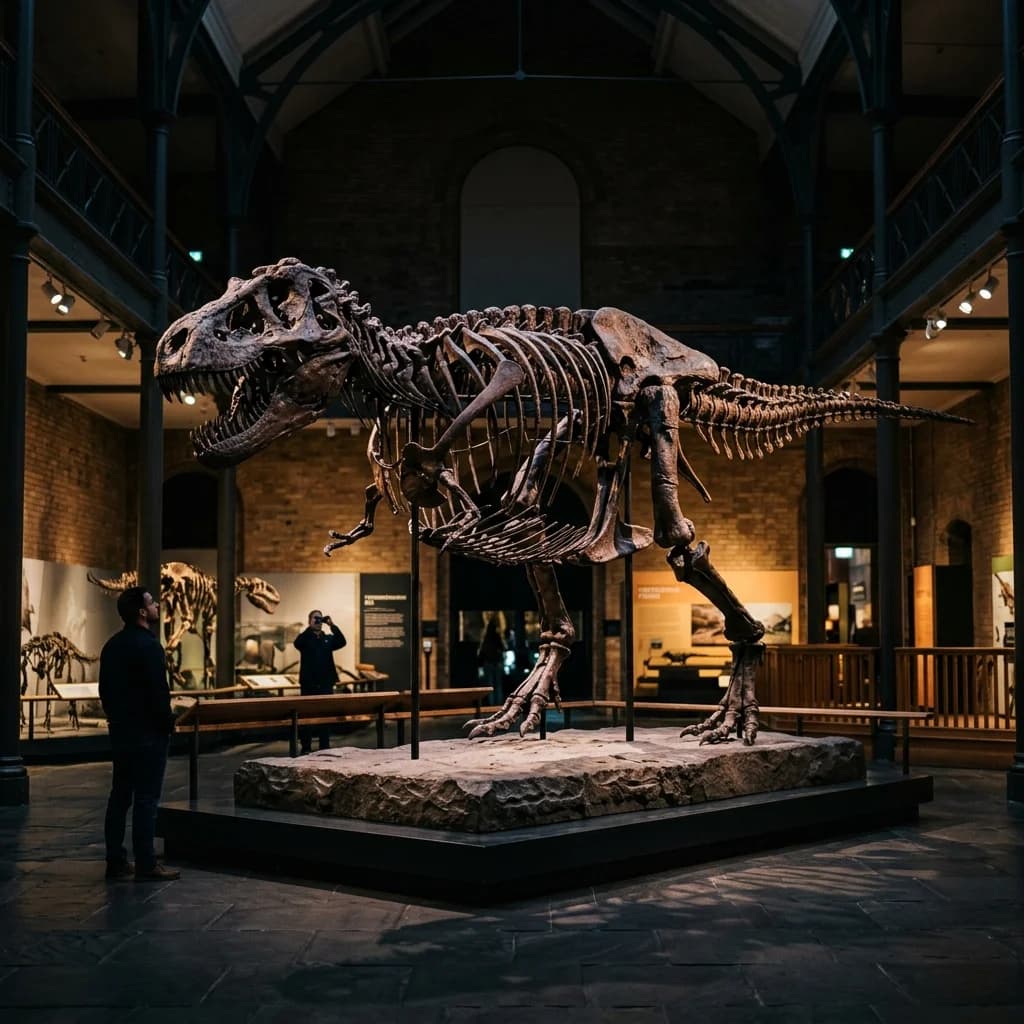
When most readers search for "prehistoric fiction," they expect Michael Crichton's Jurassic Park or childhood picture books about a Tyrannosaurus Rex. But beyond monster thrillers, there is a rich, deeply researched genre of literature: paleo-fiction told directly from the perspective of prehistoric fauna.
From Pleistocene megafauna sagas to Mesozoic survival novels, prehistoric animal fiction offers readers an unparalleled ticket into Earth's deep past.
Here is a guide to the best prehistoric fiction and why deep-time narratives continue to captivate us.
Writing from the perspective of an extinct species — whether a Woolly Mammoth (Mammuthus primigenius), a Sabertooth Cat (Smilodon fatalis), or a Raptor (Deinonychus) — presents unique narrative opportunities:
Written by world-renowned paleontologist Dr. Robert Bakker, Raptor Red is the undisputed gold standard of prehistoric animal fiction.
Told entirely from the perspective of a female Utahraptor surviving during the Early Cretaceous period, the novel combines rigorous paleontological science with intense narrative drama. Bakker avoids cartoonish dialogue, grounding the story in real animal behavior, flock dynamics, and Cretaceous ecology.
Hard sci-fi author Stephen Baxter created an extraordinary multi-generational saga (Silverhair, Longtusk, Icebones) following a surviving herd of Woolly Mammoths on a remote Arctic island.
Baxter weaves mammoth communication, matriarchal memory lore, and the tragic arrival of human hunters into a sweeping epic that rivals Watership Down in scope.
If you are diving into paleo-fiction for the first time:
Prehistoric fiction reminds us that Earth was a living, breathing arena of drama for millions of years before humans built our first campfire. Stepping into the mind of a raptor or mammoth reconnects us with deep time.
Yes. Many adult dinosaur books combine rigorous paleontological research with intense survival narratives, completely excluding human characters to focus on realistic ancient ecosystems.
The Tyrannosaurus Rex remains the most popular dinosaur in fiction due to its apex predator status, though Velociraptors and Triceratops frequently serve as primary antagonists or protagonists.
Yes. Contemporary prehistoric fiction accurately reflects modern paleontology, describing many theropods with feathers, bird-like behaviors, and complex pack dynamics.
You can read original, serialized dinosaur stories on specialized web fiction platforms that categorize animal and prehistoric narratives, offering ongoing chapters rather than static novels.
No. While they share speculative elements, prehistoric fiction is rooted in Earth's actual biological history, whereas sci-fi often relies on futuristic technology or extraterrestrial life.