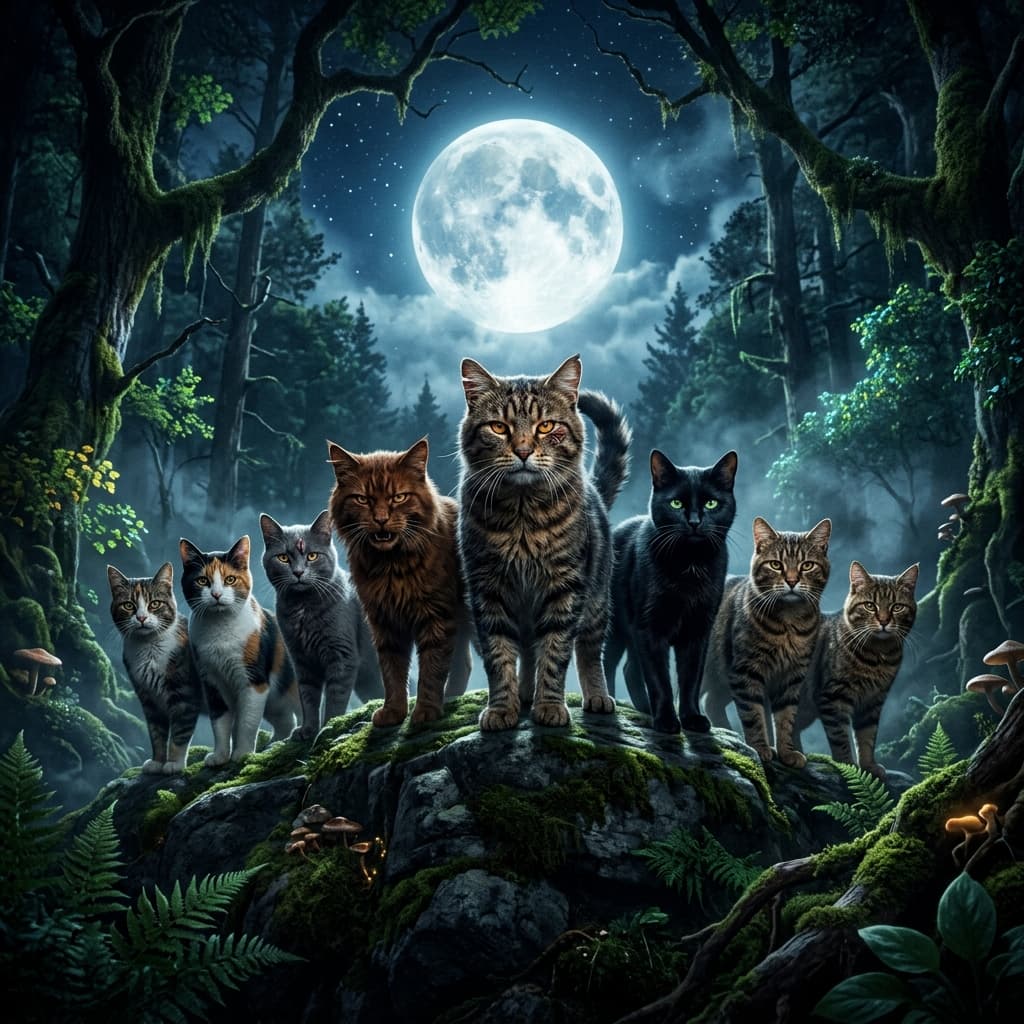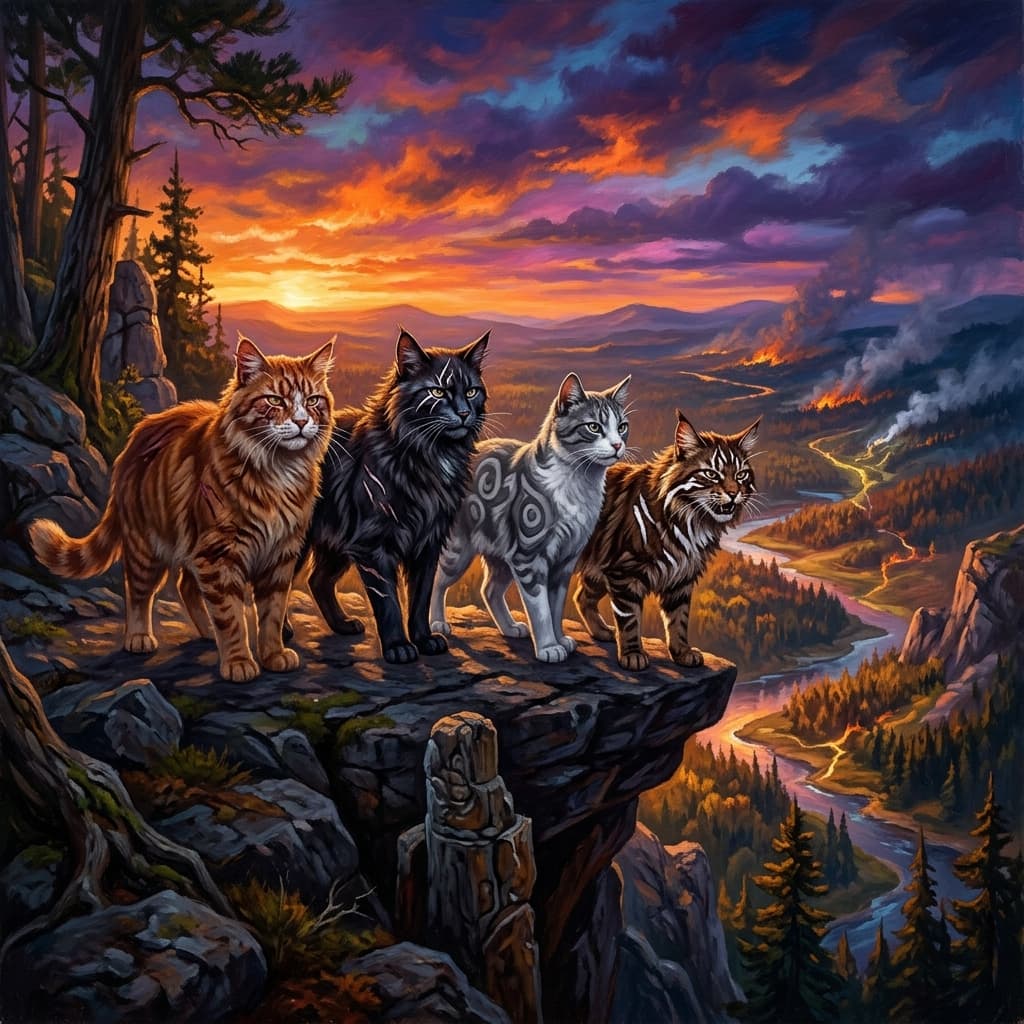
In early 2024, Alibaba Pictures and Tencent animation announced a major feature film and series partnership with HarperCollins to adapt the beloved Warriors book franchise. Fans across the globe erupted in excitement — and cautious anxiety.
With over 90 million books sold and a 20-year history of passionate internet fan animation, adapting Erin Hunter's epic feral cat saga is one of the highest-stakes animation projects of the decade.
Here is why the upcoming screen adaptation has every reason to succeed where previous studio adaptations failed.
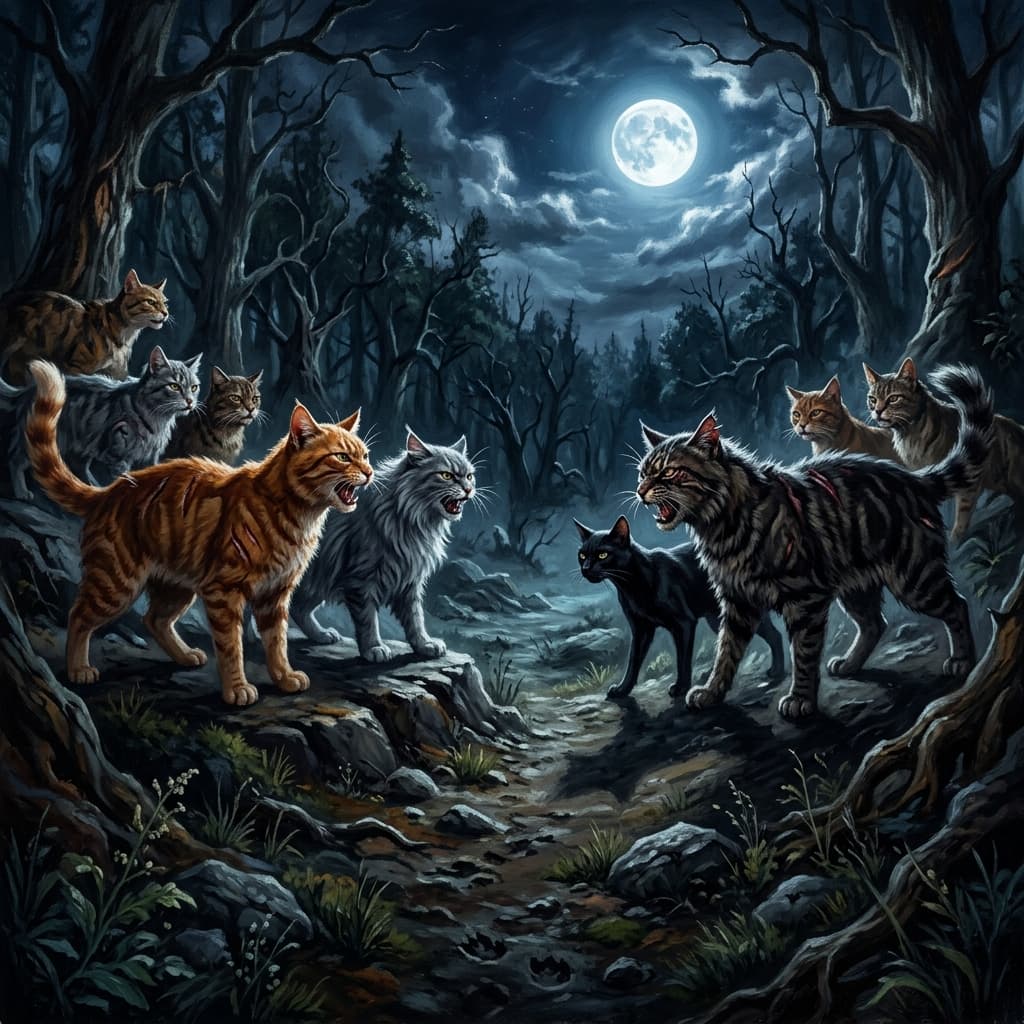
To Hollywood executives who haven't read the books, Warriors sounds like a cute talking animal story. To fans, it is a high-stakes political thriller complete with border skirmishes, forbidden romances, ancestral prophecies, and Shakespearean betrayals.
The narrative engine of the four Clans — ThunderClan, RiverClan, WindClan, and ShadowClan — relies on The Warrior Code, a 16-point legal and ethical framework governing territorial boundaries, hunting rights, and medicine cat sanctity.
When a corrupt leader like Tigerstar attempts to dismantle the code to seize control of the forest, the dramatic tension matches Game of Thrones or Dune. Screenwriters don't need to invent drama; the 80+ existing books offer two decades of tightly plotted political arcs.
The biggest technical question facing the adaptation is visual style.
Attempting photorealistic CGI (like the 2019 Lion King remake) would be a fatal mistake. Photorealistic animals cannot express intense emotional nuance — grief, fury, betrayal, fear — without looking unnatural or uncanny.
Instead, the production is leaning toward stylized, expressive 3D animation (similar to The Wild Robot, Puss in Boots: The Last Wish, or Arcane).
This painterly animation style allows:
The secret weapon behind the Warriors franchise is its fan community.
For two decades, young animators on YouTube created thousands of MAPs (Multi-Animator Projects), animating iconic book scenes to indie pop and rock songs. This unofficial digital community served as an informal talent pipeline for the animation industry.
Many of those teenage fan animators from 2012 are now senior storyboard artists, character designers, and directors at major studios. By involving creators who grew up drawing Firestar and Bluestar, the production ensures authentic reverence for the source material.
The upcoming screen adaptation is not just another studio cash-in. It is the culmination of a 20-year cultural movement. If the production respects the dark stakes of the books and embraces painterly animation, it will be an instant landmark in animated storytelling.
The official Warrior Cats animated series is currently in production and is scheduled to premiere in 2028. It will be distributed on Disney+ and Disney Channel for Western audiences, with Tencent Video handling distribution in China and Southeast Asia.
The series is a collaboration between the Coolabi Group and Tencent Video, with animation production by Original Force and El Guiri Studios. A.C. Bradley (What If…?) is serving as showrunner and Rodrigo Blaas (Trollhunters, Wall-E — formerly of Pixar) is directing.
The series will adapt the first arc, The Prophecies Begin, which consists of six books: Into the Wild, Fire and Ice, Forest of Secrets, Rising Storm, A Dangerous Path, and The Darkest Hour. This is the original story that introduced Firestar and the four Clans.
There has been no official screen adaptation prior to the 2028 series. The fandom produced its own extensive library of fan-made animations on YouTube, including elaborate music animation projects that collectively attracted hundreds of millions of views, filling the gap left by the absence of an official production.
Three primary challenges delayed adaptation for two decades: the violence and character death in the source material made studios reluctant to commit to a rating; the scope of over 100 books required a long-term franchise commitment that studios were unwilling to make without proven screen performance; and the visual demand of realistically rendered, emotionally expressive feral cats required a production quality level that only premium streaming partnerships could fund.