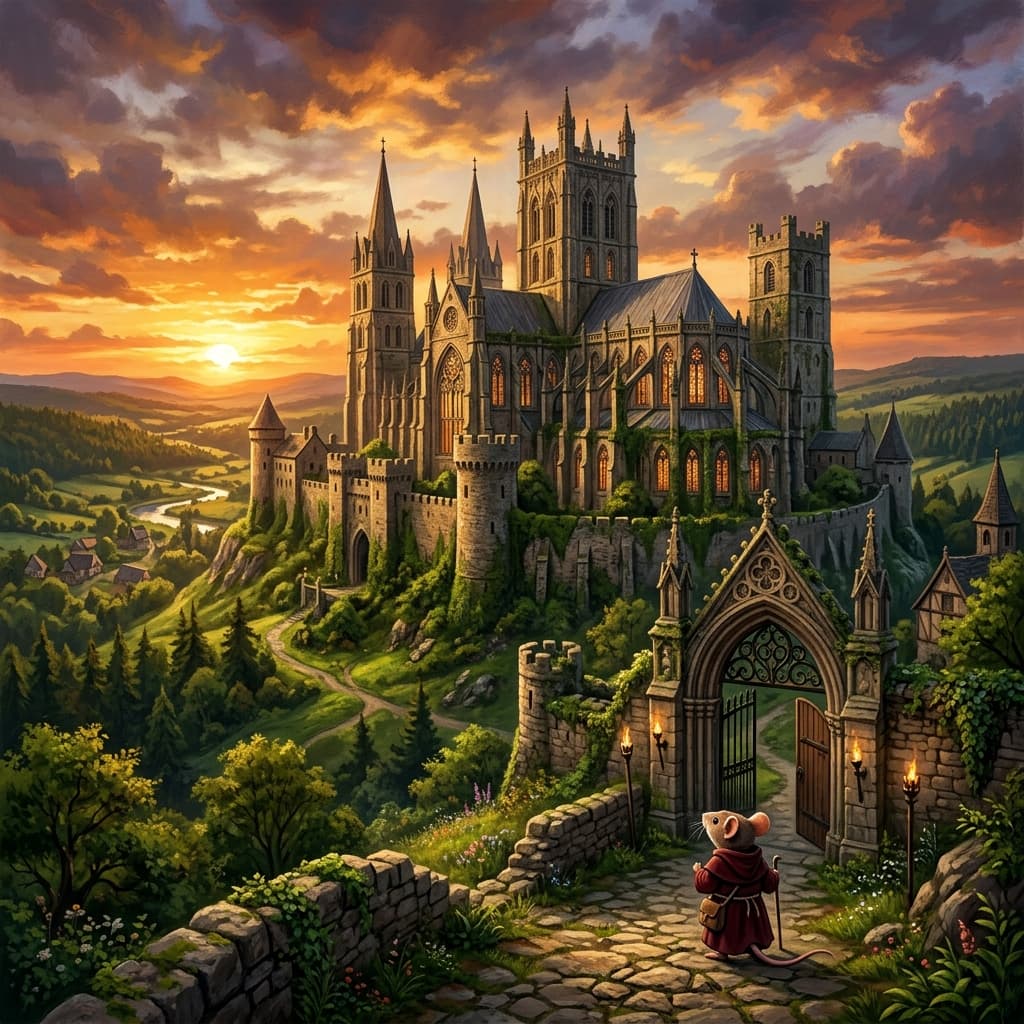
When Netflix acquired the screen rights to Brian Jacques' legendary Redwall series in 2021, fans celebrated. A high-budget animated feature film based on Martin the Warrior and a series focusing on Redwall Abbey seemed like a dream project.
Then, in early 2024, Netflix quietly cancelled the entire adaptation pipeline and allowed the rights to revert.
To casual observers, cancelling a beloved fantasy franchise with 22 bestselling novels sounds like studio incompetence. To animation directors and literary analysts, it highlights a fundamental truth: Redwall is one of the most difficult fantasy universes in history to translate to screen.
The defining feature of Brian Jacques' 22-book saga is its unique, seemingly contradictory dual tone:
In prose, this combination works brilliantly. The warmth of the abbey feast gives readers a deep emotional reason to care when ruthless vermin warlords (rats, stoats, ferrets, and weasels) lay siege to the sandstone walls.
On screen, balancing these two tones is a nightmare. Lean too far into the cozy feast aesthetics, and you get a toddler cartoon that alienates fantasy fans. Lean too far into the brutal siege combat, and you get an R-rated animal war film that alienates families. Studios struggle to find the middle ground.
In human fantasy like Lord of the Rings, character height differences between humans, elves, dwarves, and hobbits are manageable with forced perspective.
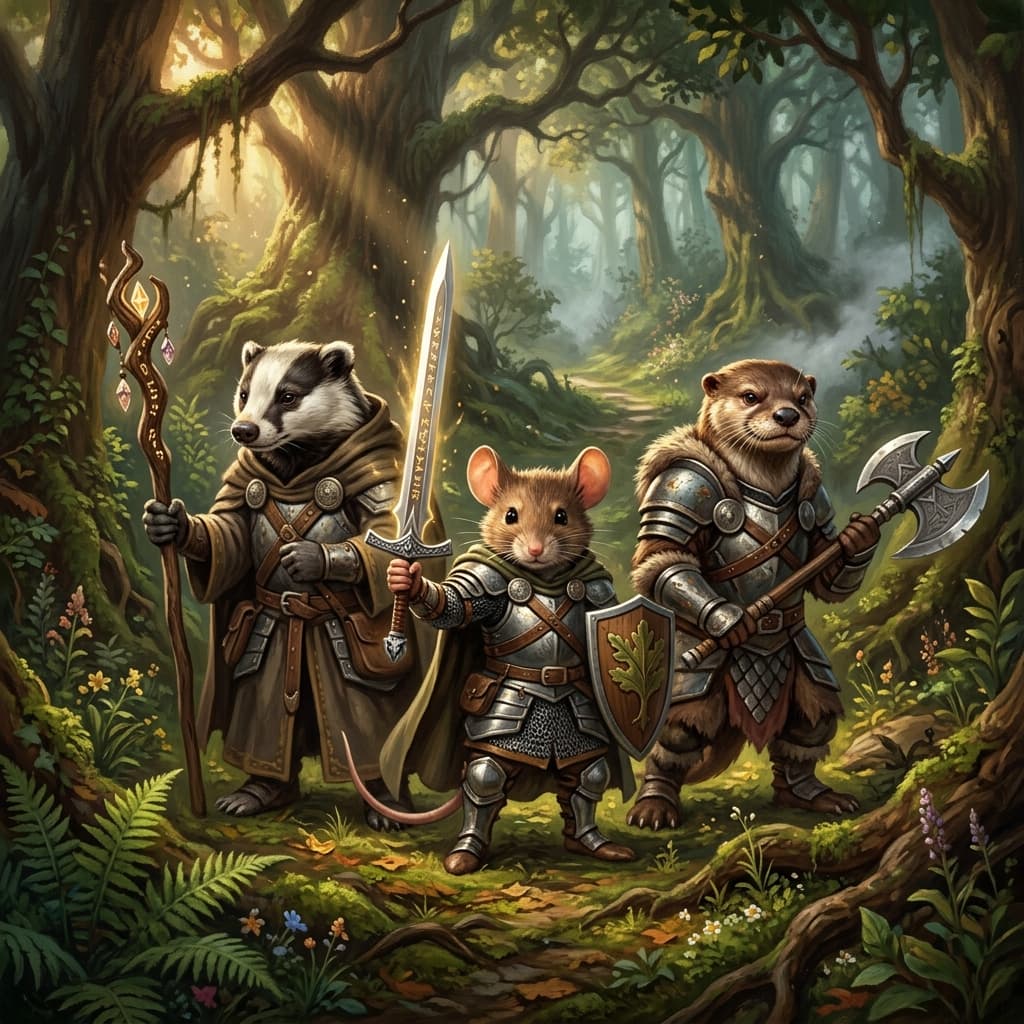
In Redwall, the species scale differences are extreme and biologically physical:
In prose, your imagination seamlessly adjusts when a Badger Lord wields a giant two-handed broadsword alongside a mouse archer. In 3D animation, placing a 4-inch mouse in the same physical frame as a giant 6-foot badger requires constant, awkward camera framing choices that make action sequences difficult to block cleanly.
In the 1980s, when Jacques wrote Redwall, moral alignment was strictly tied to animal species:
Modern Hollywood screenwriting actively shuns biological determinism. Modern audiences expect nuanced villains with complex backstories and redeemable traits, rather than an entire species being labeled "evil by birth."
Attempting to update Redwall to fit modern nuance risks stripping away the classic fable clarity that made the books beloved, while keeping the original species dynamics risks criticism from modern reviewers.
Redwall remains a masterpiece of British animal fantasy precisely because it was written for the page. Some stories don't belong in corporate animation pipelines — they belong in the imagination of a reader turning pages by flashlight.
Netflix acquired the rights to all 22 Redwall books in February 2021 but allowed the rights to lapse in April 2026 after the project spent years in developmental limbo. The original writer, Patrick McHale, exited around 2022 following Netflix's restructuring of its animation division. The project never entered production.
Patrick McHale, the creator of Over the Garden Wall, was originally attached to write the feature film component. He departed the project around 2022 and subsequently confirmed the project's uncertain status in public comments about Netflix's animation upheaval.
Yes. A 39-episode animated television series co-produced by Nelvana aired from 1999 to 2002, adapting the books Redwall, Mattimeo, and Martin the Warrior across three seasons. While it developed a cult following, it was canceled before completing more of the series.
With the Netflix rights having lapsed, the property is now open for other studios or streaming services to acquire. The fan community remains actively hopeful. The fundamental material — 22 books and 30 million copies sold — has never been more culturally relevant to adults who grew up with it in the 1990s and 2000s.
Three core challenges: the scale of the world across 22 books makes any single adaptation feel incomplete; the tone sits in a precise balance between cozy warmth and genuine darkness that is extremely difficult to calibrate for screen; and the visual demands of realistically rendered anthropomorphic animal characters require a production budget that only makes sense if a guaranteed theatrical audience exists.