For years, when a dog owner reported that their pet kept obsessively sniffing a mole on their arm before a melanoma diagnosis, doctors dismissed it as pattern-matching after the fact. Confirmation bias. Grieving owners projecting meaning onto animal behavior. The scientific literature has since caught up with what dog owners were reporting, and it turns out the dogs were right all along.
The reality: There is nothing mysterious about it. It is chemistry. Cancer cells produce unique waste products — volatile organic compounds (VOCs) — that have a distinct chemical profile different from healthy tissue. A dog's olfactory system can detect these compounds at concentrations measured in parts per trillion. That is not a metaphor. It is a measurement. The dog is not sensing illness through intuition; they are reading a chemical signature the way a laboratory instrument does, except the instrument in this case has been refined by 40 million years of evolution.
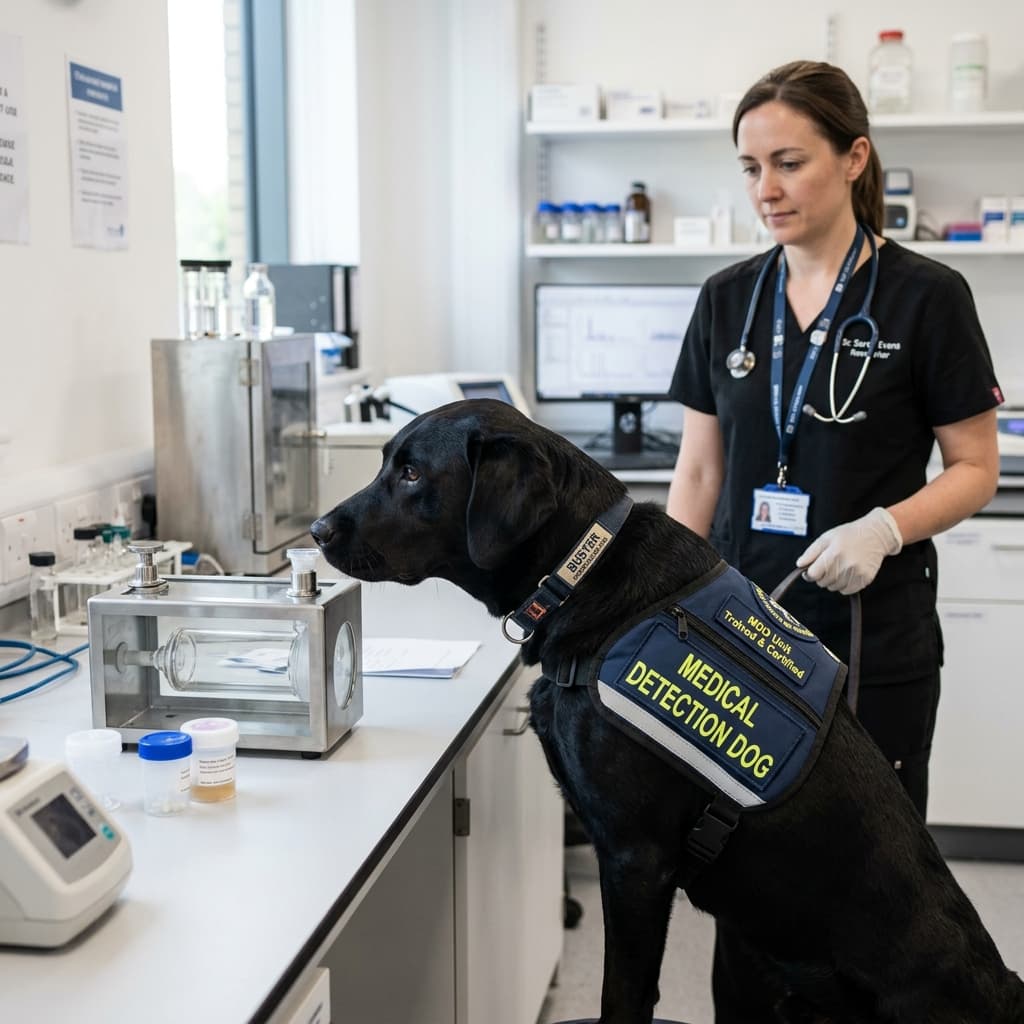
Cancer detection: A landmark study published in the Journal of the American Osteopathic Association trained beagles to distinguish blood serum samples from patients with malignant lung cancer. The dogs correctly identified cancerous samples with 97.5% specificity and 96.7% sensitivity. Separate peer-reviewed studies have confirmed successful canine detection of melanoma, breast cancer, prostate cancer, and ovarian cancer from odor profiles alone.
Seizure prediction: Research published in Scientific Reports (Nature) demonstrated that trained alert dogs can identify a distinct human "epileptic seizure odour" in breath and perspiration up to 45 minutes before an epileptic seizure. This gives patients sufficient warning to reach a safe position, alert caregivers, or administer preventative medication.
Diabetic alert: Clinical evaluations published in PLOS ONE confirmed that trained diabetic alert dogs detect volatile organic compound (VOC) shifts in breath when blood glucose drops (hypoglycaemia) with median sensitivity over 83% — alerting owners before clinical symptoms manifest.
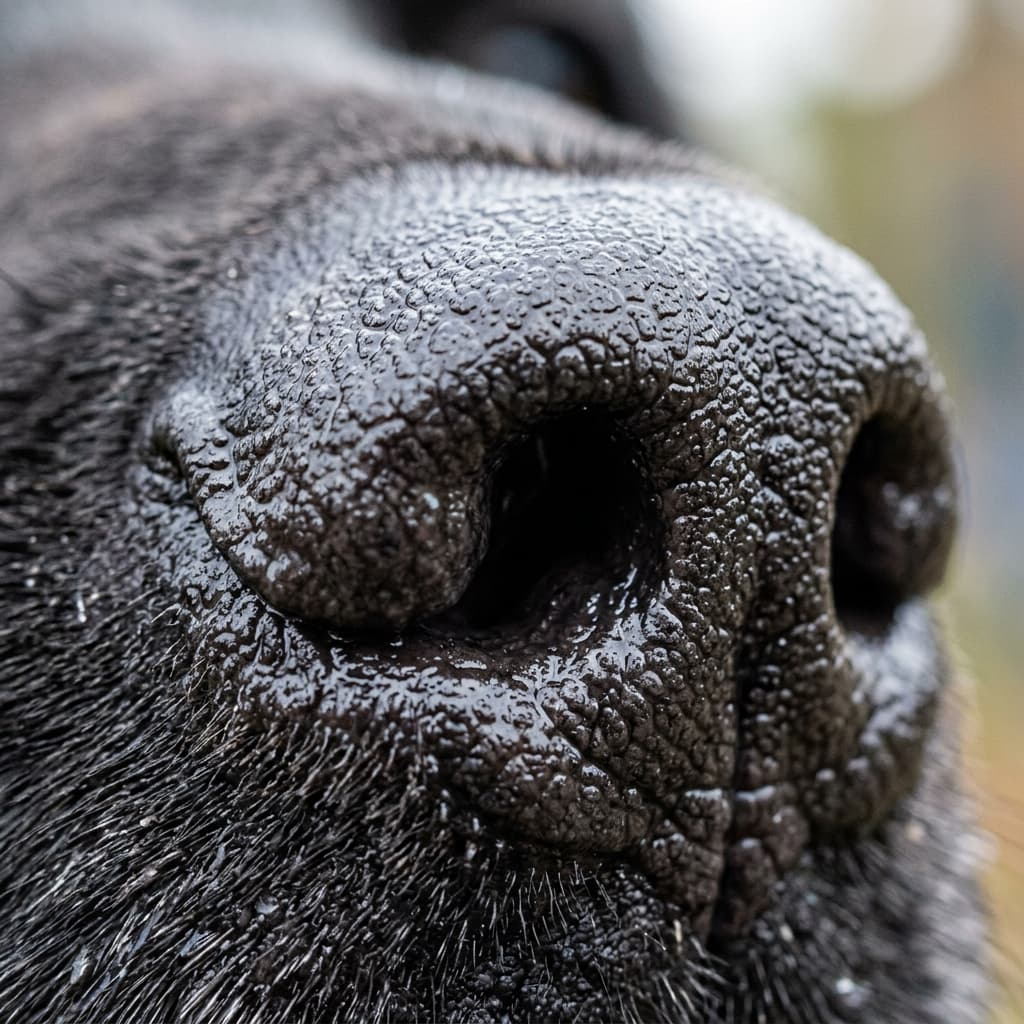
A human nose has approximately 6 million olfactory receptors. A typical dog has up to 300 million. The section of a dog's brain dedicated to analyzing smell is, proportionally, about 40 times larger than the equivalent region in a human brain.
When a dog breathes in, their nasal structure separates the airflow. One stream goes to the lungs for oxygen. A dedicated second stream routes directly to the olfactory epithelium, where scent molecules bind to receptor cells and are analysed. The dog effectively smells continuously, not just when they consciously sniff.
An untrained family dog is not a medical device, and their behavior alone is not a diagnosis. But it is a data point worth noting.
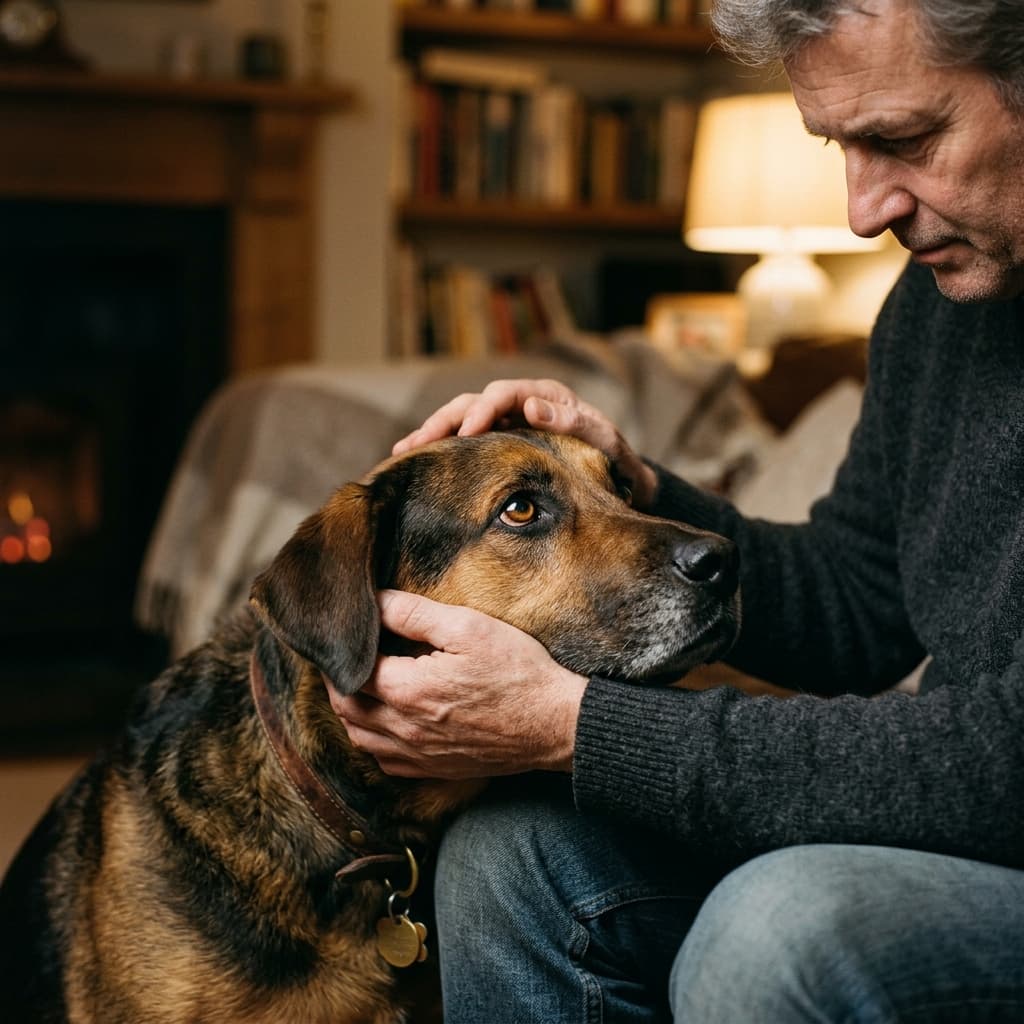
If your dog repeatedly returns to sniff or nudge a specific spot — a mole, a patch of skin, a particular area — over multiple days or weeks, mention it to your doctor at your next routine appointment. You are not diagnosing yourself. You are providing a behavioral observation that gives a human physician a reason to look more carefully at something specific. That is a reasonable and responsible use of information your dog gave you.
What you should not do: skip routine medical screenings because your dog has not shown interest in anything. Dogs are not a substitute for medicine. They are, increasingly, a complement to it.
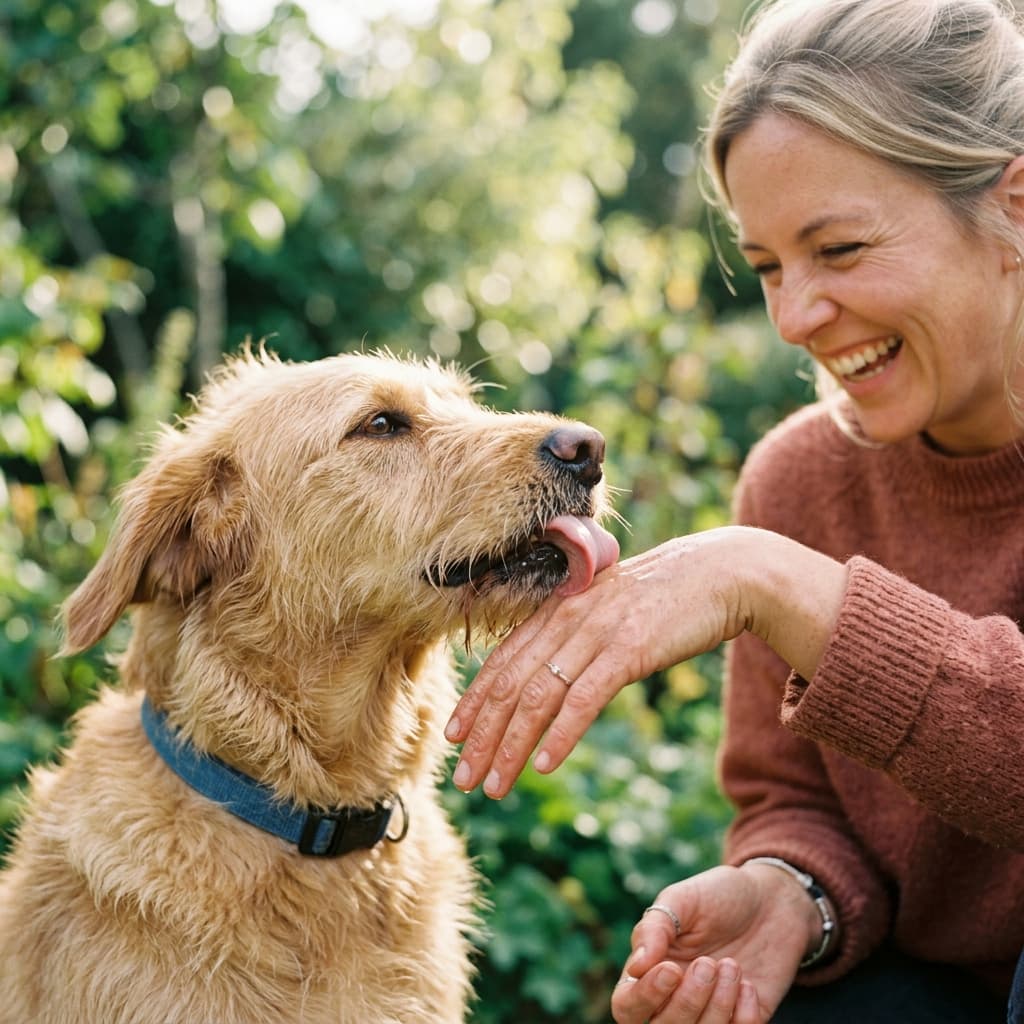
The wet nose pressed against your hand is connected to a biological sensor array that took millions of years to build. Science has confirmed it is a legitimate medical tool. The dogs knew before the doctors did — which, if you spend any time with dogs, is not entirely surprising.
Trained medical alert dogs use specific behaviors like pawing, nudging, or staring. Untrained dogs might obsessively sniff a specific area of your body or whine when near you.
Yes, any breed with a functional nose can detect illness. However, breeds with high drive like Labradors, Golden Retrievers, and Spaniels are most commonly selected for professional training.
Yes. Because the human body releases different chemicals and pheromones as organs begin to fail, dogs smell these changes. They often respond by refusing to leave the dying person's side.
It is possible, but not guaranteed. There are documented cases of pet dogs repeatedly sniffing a mole that turned out to be melanoma, but untrained dogs should never replace regular medical screenings.
Training a reliable medical detection dog takes between 18 and 24 months of intensive scent work to ensure they only alert on the target odor and ignore distractions.