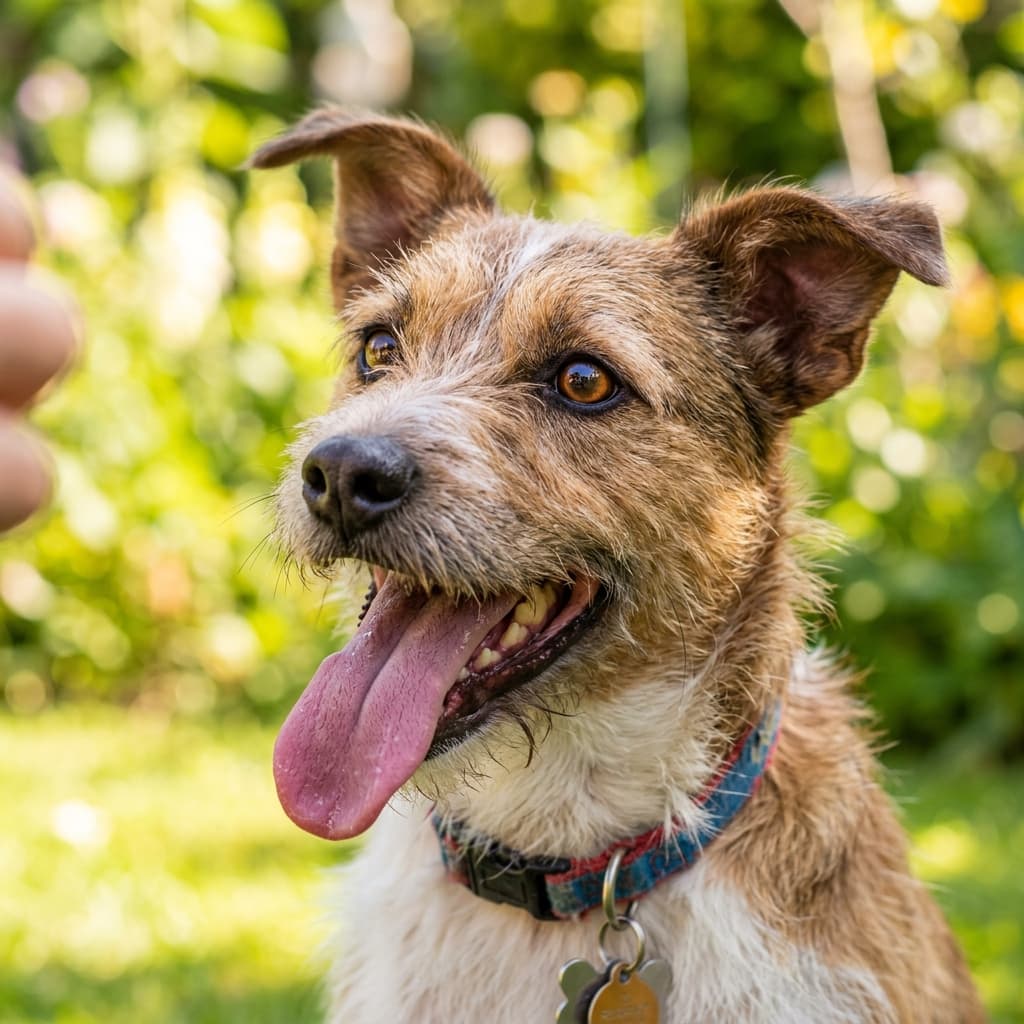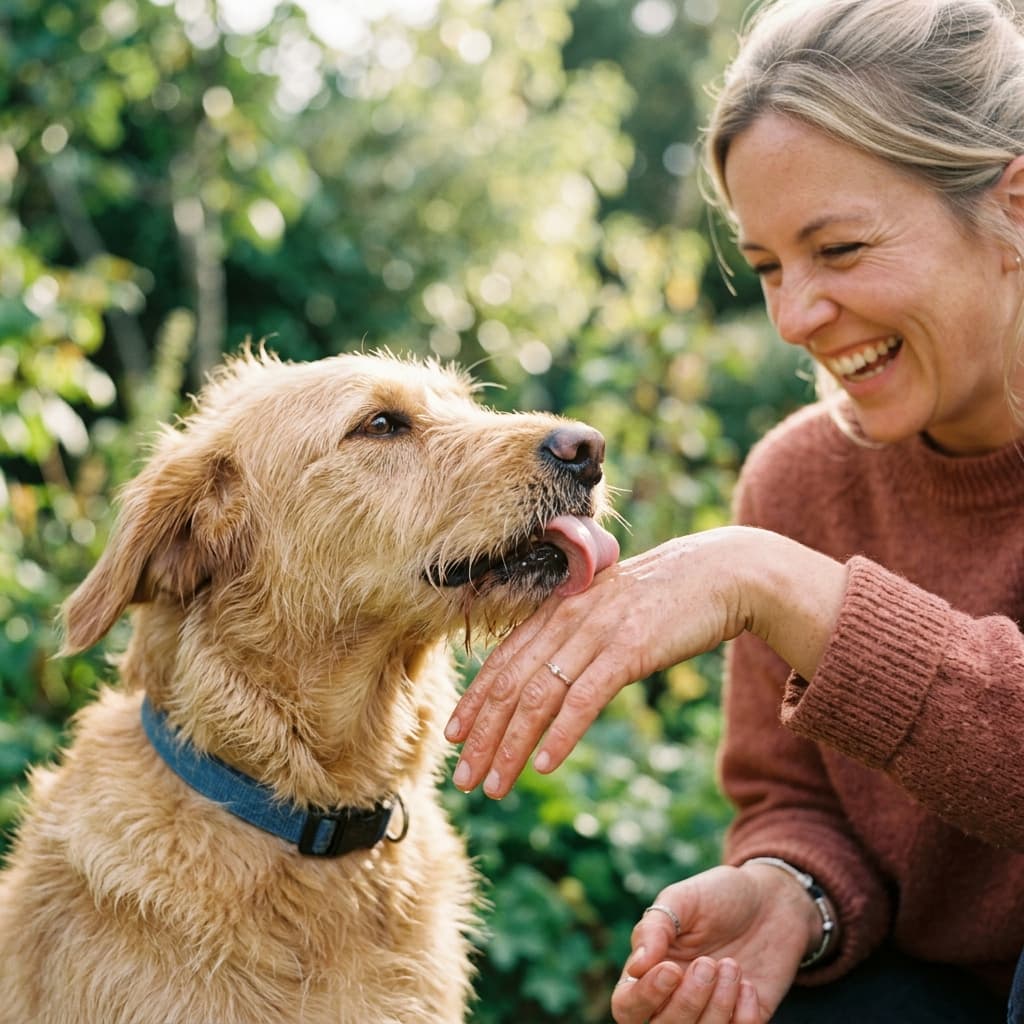
You step through the front door. Before you can drop your keys, your dog bounds over and thoroughly washes your hands, arms, and face with a wet tongue. Some owners love it; others tolerate it; a few find it unbearable. But regardless of your personal preference, licking is one of the most complex, multi-layered social behaviors in the canine lexicon.
It is not just slobber. To an animal behaviorist, a dog's tongue functions as a sensory organ, a social lubricant, a chemical scanner, and a self-soothing mechanism all rolled into one.
Licking is literally the very first sensation a dog experiences after birth.
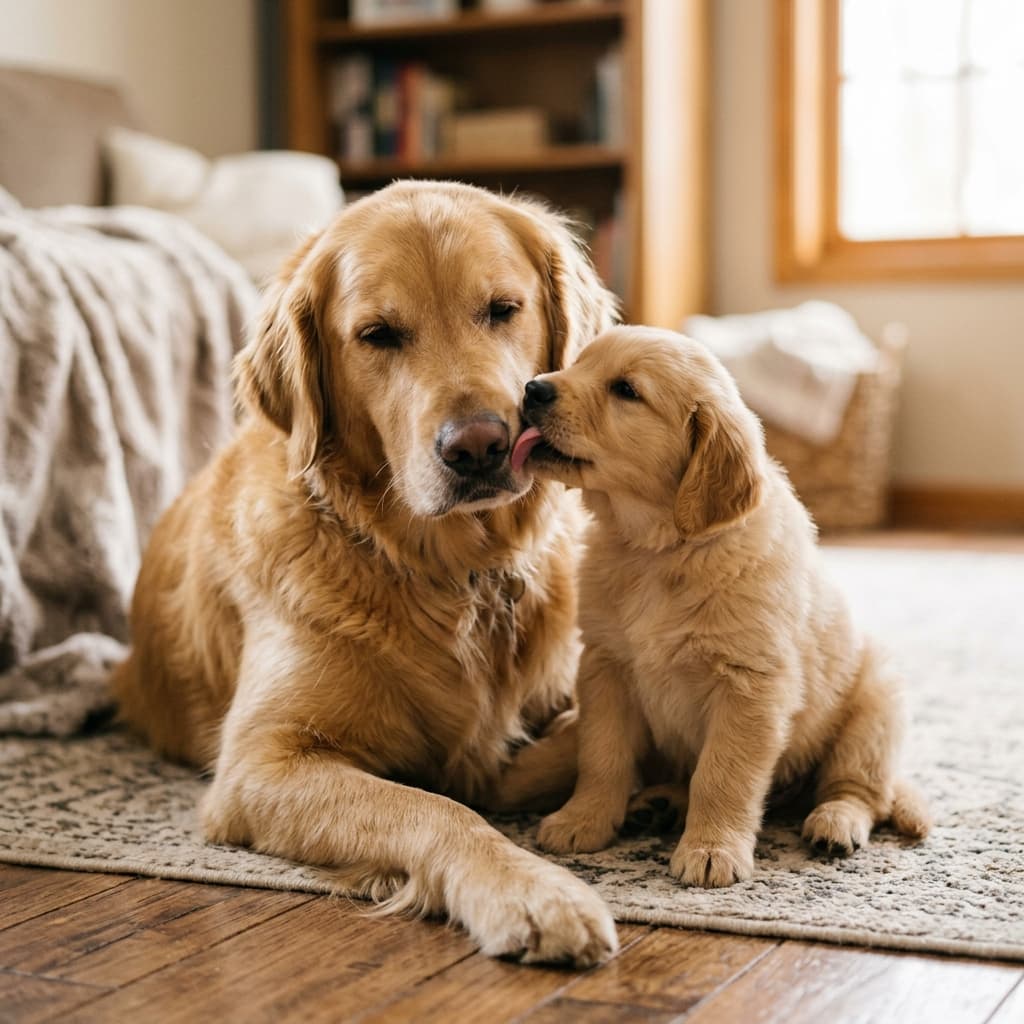
Immediately following delivery, a mother dog vigorously licks her newborn puppies to strip away the amniotic sac, stimulate the respiratory system, and initiate circulation. Over the next several weeks, the mother licks her puppies' bellies and anal areas to stimulate elimination — a reflex young puppies cannot perform independently.
As the puppies mature and begin exploring outside the whelping box, they lick their mother's lips and snout upon her return from hunting or foraging. In wild canids, this submissive lip-licking triggers the mother to regurgitate partially digested food for the pups.
This early developmental wiring creates a permanent, deep-seated association in the canine brain: licking equals safety, food, family bonding, and social deference.
Humans explore the world visually and tactically. Dogs explore it olfactorily and gustatorily.
Your skin is a dense landscape of biological data. It contains sodium and potassium from sweat, lipid oils, skin flora, and chemical traces of everything you have touched, eaten, or walked past during the day.
When your dog licks your hands or ankles, they are not just tasting salt — they are transferring chemical compounds to the vomeronasal organ (Jacobson's organ) located in the roof of their mouth. This organ processes pheromones and volatile chemicals, allowing your dog to read your physiological state. They can detect changes in your sweat chemistry brought on by stress, fear, excitement, or hormonal shifts. When your dog licks you, they are essentially taking a biological status report on how you are feeling.
Why does a dog look so relaxed — almost glassy-eyed — while licking your arm for ten straight minutes?
The physical motion of rhythmic licking triggers a release of endorphins and oxytocin in the dog's brain. Endorphins lower heart rate and reduce physiological arousal, while oxytocin (the "bonding hormone") reinforces social affiliation between pack members.
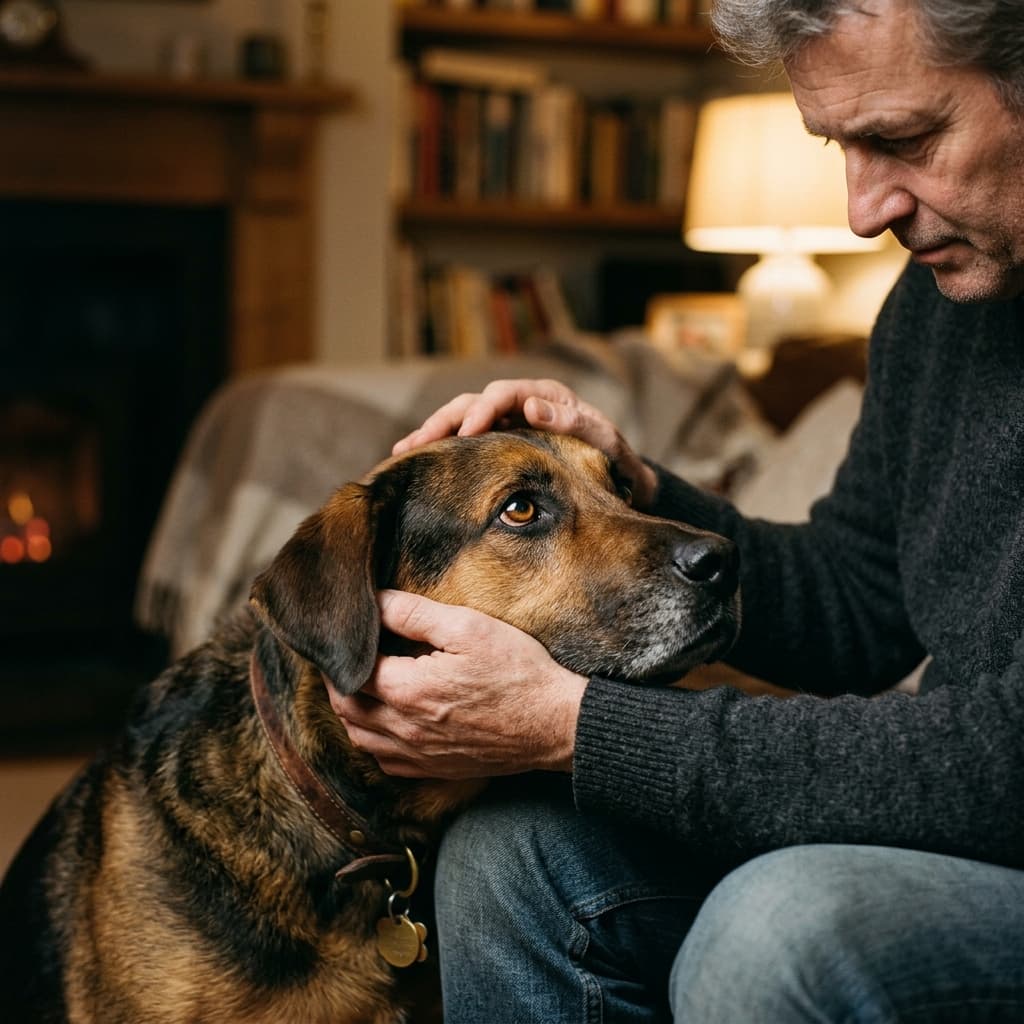
In canine pack dynamics, mutual grooming (allogrooming) is a low-arousal bonding activity performed during quiet rest periods. When your dog licks you while you watch television or read, they are inviting you into a shared social grooming session. It is the canine equivalent of putting an arm around a close friend.
While most licking is healthy social behavior, it can occasionally cross the line into behavioral or medical pathology.
If a dog repeatedly and obsessively licks a single spot on their own body — most commonly the front paw or wrist — they can create open, infected sores known as lick granulomas. This is a severe compulsive disorder often triggered by chronic anxiety, boredom, or localized joint pain.
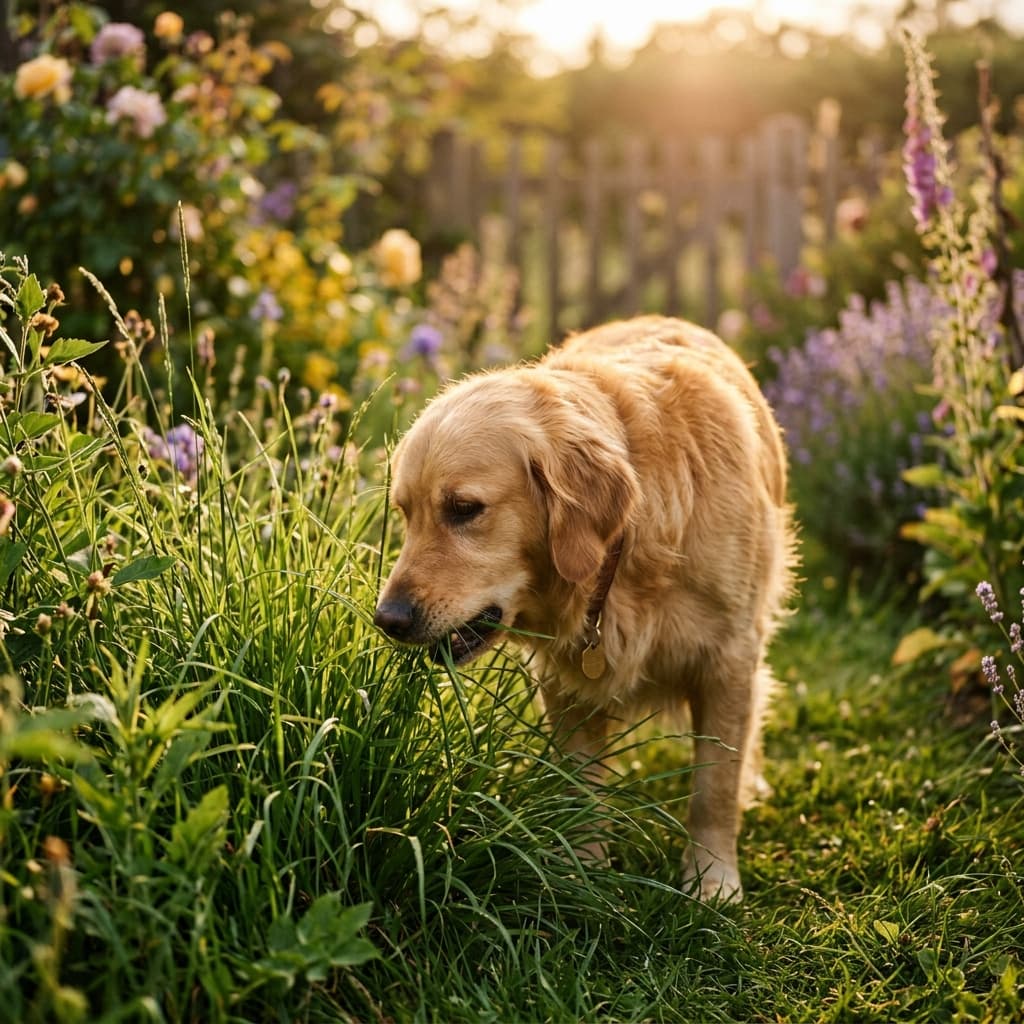
If your dog frantically licks carpet, couch cushions, or your pant legs with a frantic, unblinking intensity, they may be using licking to cope with acute anxiety, noise phobias, or nausea (gastric distress).
If your dog is an overzealous licker, pushing them away forcefully with your hands is often misread as a invitation to play, causing them to lick harder. Yelling spikes their anxiety, which triggers more self-soothing licking.
Here is the correct behavioral approach:
Your dog's tongue is their most direct tool for reading your chemistry and offering social affection. Understanding the biology behind the slobber makes it much easier to respect the instinct — even as you teach them where the boundaries are.
Feet contain a high concentration of sweat glands, making them salty and highly interesting to a dog's taste buds. It provides them with concentrated scent information.
No. A dog's mouth is full of bacteria, including pathogens that can transmit to humans. You should wash your hands after your dog licks them and avoid letting them lick open wounds.
Licking the air can be a sign of nausea, dental pain, or a neurological issue like partial seizures. If it happens frequently without a clear cause, consult a veterinarian.
Dogs are empathetic and can read human distress. They lick you when you cry as an instinctual attempt to comfort you and socially groom you back to calmness.
Walk away immediately when the licking starts. By completely removing your attention, you teach the dog that licking makes the fun stop. Reward them when they settle.