Prowlpad Logo
Prowlpad
HomeBrowse
Explore Categories ▾
Dog StoriesCat StoriesWildlife & NatureFarm StoriesBird StoriesOcean StoriesFantasy AnimalsSmall Pet StoriesDinosaur StoriesRescue StoriesTrue StoriesReptile StoriesUrban Fantasy PetsInsect Stories
RankingsBlogTools
Browse
Dog StoriesDog StoriesCat StoriesCat StoriesWildlife & NatureWildlife & NatureFarm StoriesFarm StoriesBird StoriesBird StoriesView All Categories
BrowseRankingsBlogLibraryTools
Add Prowlpad on Google
Prowlpad Logo
Prowlpad

Explore

All CategoriesDog StoriesCat StoriesWildlife & NatureRankingsTools

Support

Help CenterGlossaryClassics HubAnimal SciencePet Fiction GenreEditorial Policy

Company

About UsBlogAuthorsContactWrite for Us (Articles)
© 2026 Prowlpad — Free Animal Fiction Platform
Privacy Policy•Cookie Policy•Terms of Service•DMCA•Sitemap•AI Index•RSS•
Contact: [email protected]
Add to Google Search
Home › Blog › The Autonomy Debate: Why Your Cat Doesn't Need You (But Loves You Anyway)
Animal Science·Last Updated: July 22, 2026

The Autonomy Debate: Why Your Cat Doesn't Need You (But Loves You Anyway)

By J.T. Prowler
The Autonomy Debate: Why Your Cat Doesn't Need You (But Loves You Anyway)

In This Article

  • The Strange Situation Test: Feline vs. Canine Attachment
  • The Evolutionary Engine of Self-Domestication
  • Why Non-Coerced Affection Matters More
  • Rules for Bonding With an Autonomous Creature
  • Sources & Further Reading

📖 Featured Read

The Cinnamon Bay Cat Sleuth cover
Mystery

The Cinnamon Bay Cat Sleuth

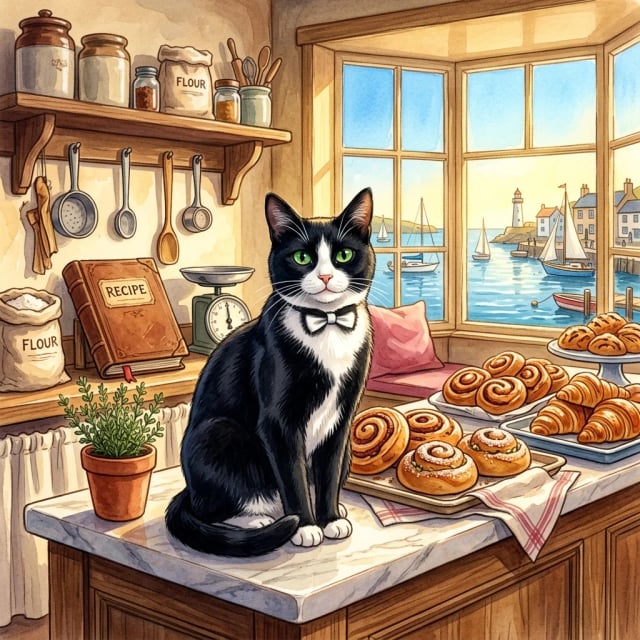
In the charming coastal town of Cinnamon Bay, thirty-one-year-old Nora Vance runs The Salted Crumb Bakery—famous for its warm cinnamon rolls and cardamom pastries. Her quiet partner is Barnaby, a handsome tuxedo cat with a natural white bowtie marking on his chest and an extraordinary knack for observing details. When a prized 1890 leather-bound heirloom recipe book carrying a century-old town secret vanishes from the bakery safe at midnight, Nora faces losing her business right before the Grand Coastal Pastry Cup. Can Barnaby's sharp eyes and flour-dusted clue trail uncover the truth before the oven cools?

🌟 New ArrivalStart Reading →

Dogs are notoriously clingy. They view their owners as a secure base — a parental anchor to retreat to whenever a sudden noise or stranger threatens their peace. For decades, pet owners assumed cats were simply bad dogs: detached, aloof, and unwilling to bond.

Modern behavioral science has dismantled that assumption entirely. Cats form deep, lasting emotional attachments to their human caretakers — but they do so through a framework of functional independence that makes their affection fundamentally different from a dog's.

The Strange Situation Test: Feline vs. Canine Attachment

To measure attachment styles across species, animal behaviorists use a standardized protocol called the Ainsworth Strange Situation Test. An animal and their owner are placed in a novel room, a stranger enters, the owner leaves, and the owner eventually returns.

When dogs undergo this test, the results match human infant responses: the dog panics when the owner leaves and rushes to physically press against them upon their return, using the human as a living shield against an unfamiliar environment.

A 2015 study from the University of Lincoln applied this exact test to domestic cats. The results surprised researchers who expected a similar parental dynamic:

  • When the owner left the room, cats vocalized slightly but did not experience systemic panic.
  • When the owner returned, the cat greeted them with a tail-up posture or brief head bunt — and then returned to independently exploring the room.

The study proved that while cats recognize and prefer their owners, they do not rely on humans as a safety anchor in threatening situations. They rely on themselves.

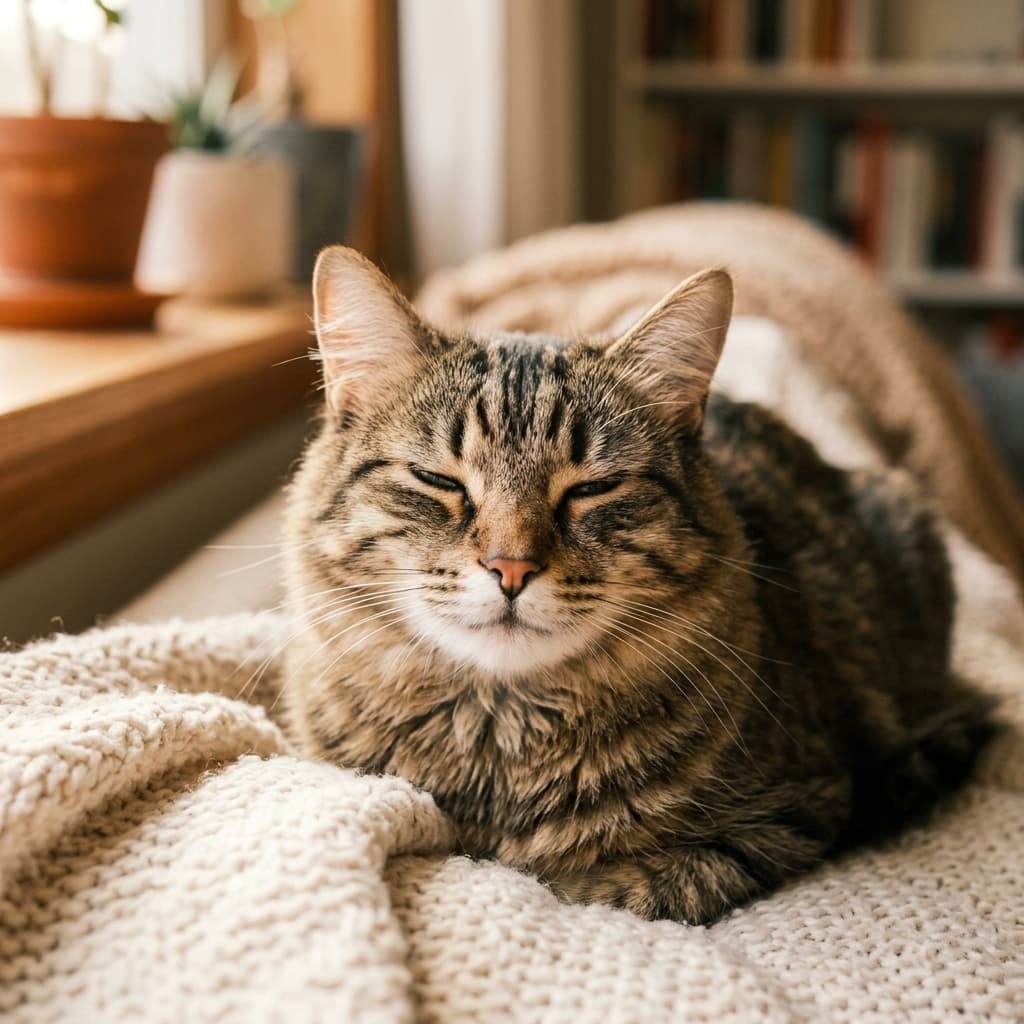
Cat blinking

The Evolutionary Engine of Self-Domestication

This difference in attachment style traces directly back to how the two species entered human society.

Dogs were selectively bred over 30,000 years for collaborative tasks: herding, tracking, guarding, and hunting in packs alongside humans. Their survival depended on high social deference and constant reference to human body language.

Cats, by contrast, domesticated themselves roughly 10,000 years ago in the Fertile Crescent. When early agricultural societies accumulated stored grain, rodents swarmed the granaries. African wildcats (Felis lybica) moved into human settlements voluntarily to hunt mice. Humans tolerated the cats; cats tolerated the humans.

At no point did humans direct feline breeding for cooperative tasks. The cat retained its solitary hunting strategy, its territorial drive, and its complete functional autonomy.

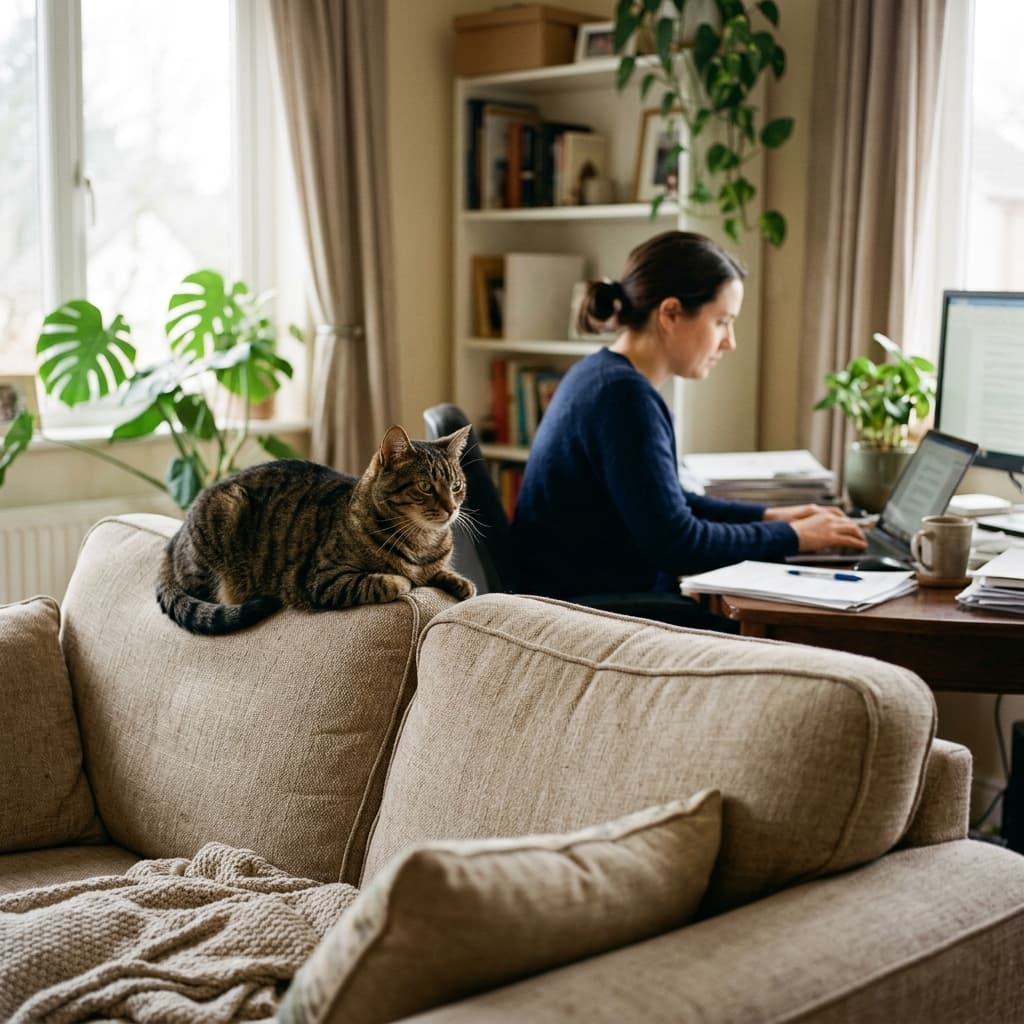
Cat watching from a distance

Why Non-Coerced Affection Matters More

Understanding feline autonomy completely changes how we value a cat's companionship.

When a dog leans against your leg during a thunderstorm, they are seeking safety. Their survival wiring compels them to seek a pack leader.

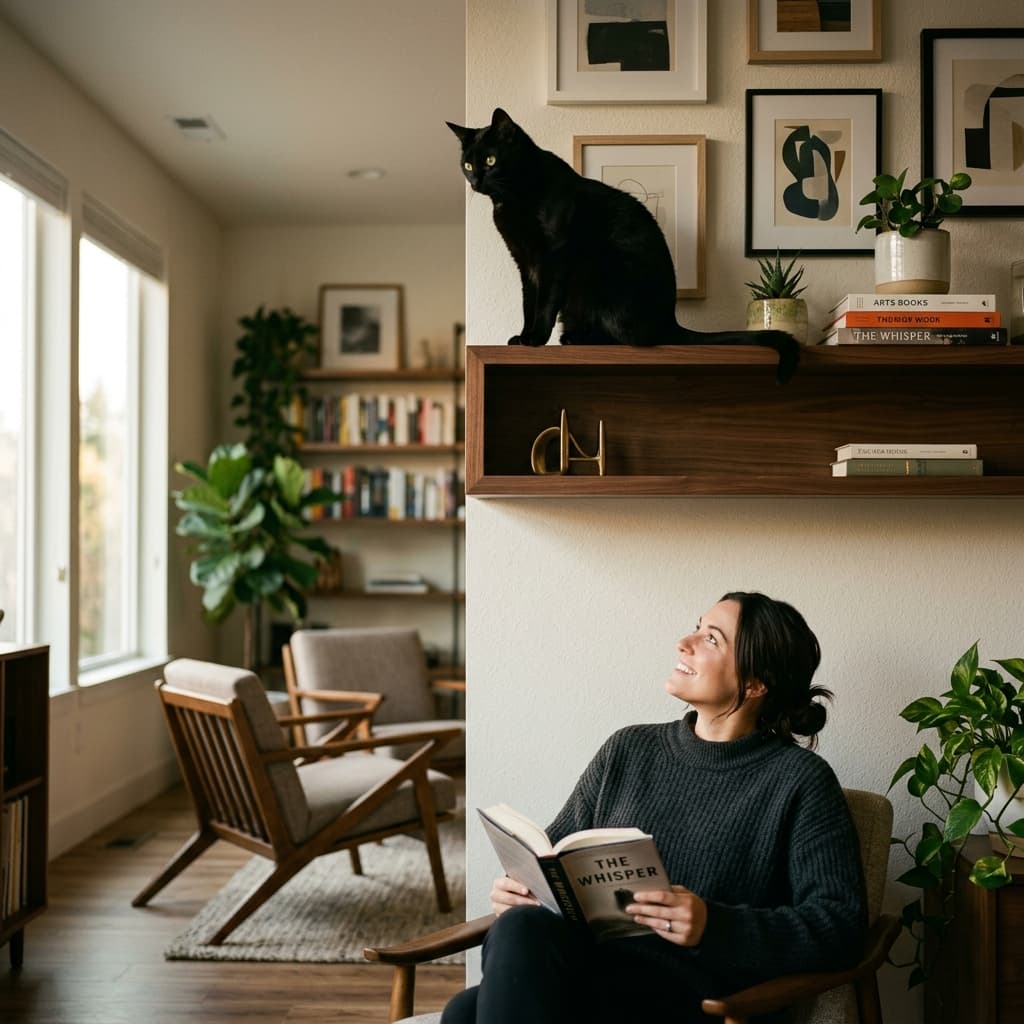
When a cat leaves a warm high shelf, walks across the room, climbs onto your chest, and closes their eyes to sleep, no biological panic compelled them to move. They were completely safe on the shelf. They chose your lap purely for the pleasure of your presence.

Because a cat does not need you for emotional security, every display of feline affection is an uncoerced choice.

Rules for Bonding With an Autonomous Creature

Because cats operate on a framework of mutual consent rather than deference, building a bond requires specific behavioral respect:

  1. Offer Consent Checks: Never reach directly for a cat's head. Extend a limp index finger at their nose level and freeze. Allow the cat to step forward and rub their cheek against your finger. If they sniff and turn away, the interaction is over.
  2. Never Restrain Physical Exit: Forcing a cat to remain on your lap by holding them down triggers an immediate predator-trap panic response. Always leave their escape route clear.
  3. Respect the Retreat: A cat that retreats under a bed or onto a tall cabinet is self-regulating their arousal levels. Never reach into a hiding spot to pull a cat out.

A cat doesn't view you as their master, and they don't look at you as an infant looks at a parent. They view you as a trusted co-habitant in a shared territory — which means when they choose to sit beside you, they are giving you the highest compliment a solitary hunter can offer.

Sources & Further Reading

  • University of Lincoln: Research on feline attachment styles and independence in domestic cats.
  • Applied Animal Behaviour Science: "Human-cat interactions: Affiliative behavior and the illusion of autonomy."

Frequently Asked Questions

Do cats imprint on one person?

Yes. While cats can be affectionate with a whole family, they typically form a primary attachment to the person who respects their boundaries and interacts on their terms.

How do I know if my cat has bonded with me?

Signs of a strong bond include slow blinking, head bunting, kneading on your lap, sleeping near you, and exposing their belly.

Do cats get separation anxiety?

Yes. Despite their independence, cats thrive on routine. A sudden change in schedule or the absence of their preferred human can trigger destructive behavior.

Why does my cat follow me everywhere but hate being held?

Your cat wants to supervise their territory and enjoy your social proximity, but being held restricts their movement, triggering a fear of being trapped.

Can you ruin your bond with your cat?

Yes. Using physical punishment, forcing physical contact when they want space, or frequently startling them will destroy their trust completely.

J.T. Prowler

J.T. Prowler

Creator & Lead Writer

Lead Architect and Head Writer at Prowlpad. With a deep fascination for animal behavior and serialized storytelling, J.T. crafts the immersive, character-driven pet fiction that defines the Prowlpad universe.

Enjoying Prowlpad? Help more readers find usAdd us as a Preferred Source on Google
Add to Google Search

Want more stories?

Explore our library of original pet fiction and discover your next favorite read.

Explore Library →

Related Insights

Why Does My Dog Eat Grass? (It Is Not What You Think)
Animal Science2026-08-03

Why Does My Dog Eat Grass? (It Is Not What You Think)

By J.T. Prowler
Why Does My Dog Lick Me So Much?
Animal Science2026-07-26

Why Does My Dog Lick Me So Much?

By J.T. Prowler
Can Dogs Really Sense Illness? What Science Says
Animal Science2026-07-22

Can Dogs Really Sense Illness? What Science Says

By J.T. Prowler