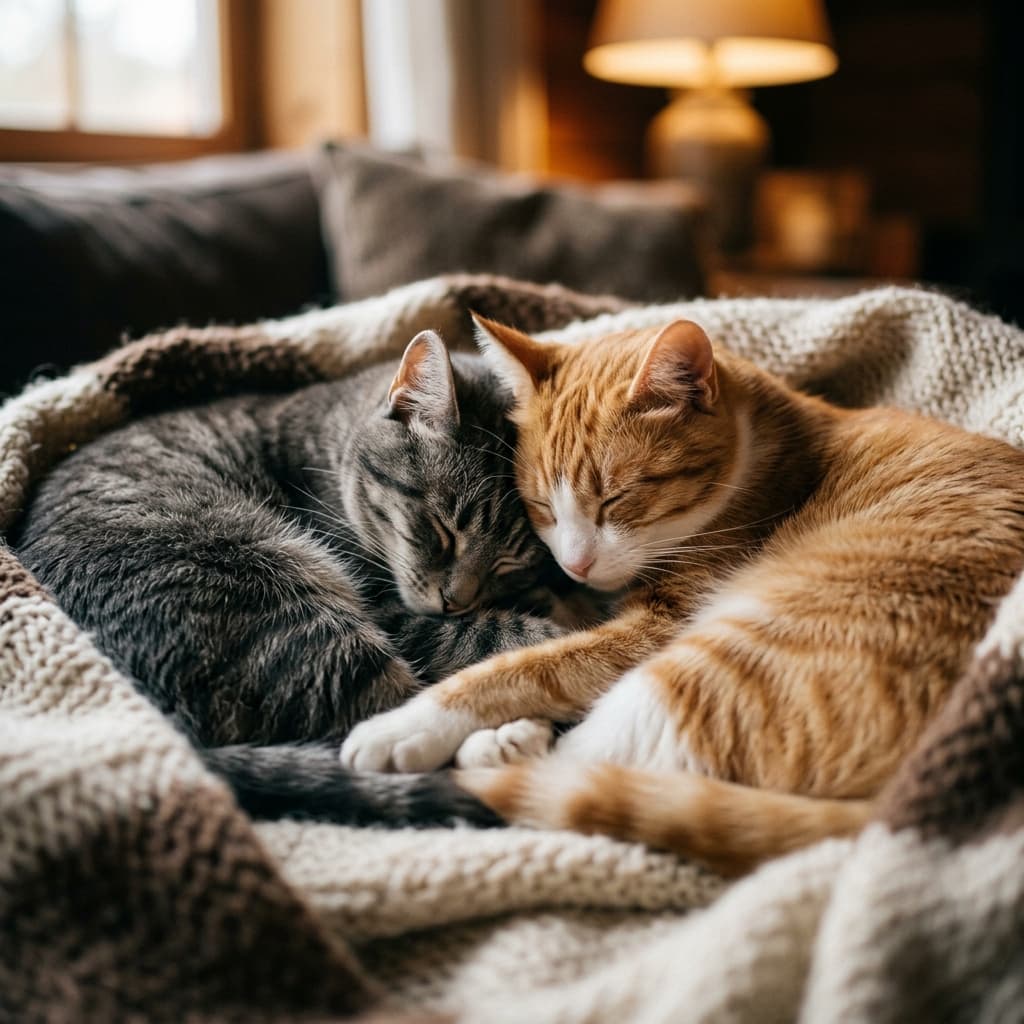
Cats grieve. Not metaphorically — measurably. A 2016 landmark study in Applied Animal Behaviour Science documented specific, quantifiable behavioral changes in cats following the loss of a bonded companion. The idea that cats don't form attachments is one of the most persistent and damaging misconceptions in feline care.
For decades, behavioral science treated cats as fundamentally solitary animals who merely tolerated the presence of other pets rather than bonding with them. If you have ever kept a bonded pair, you already know this is wrong. The science now agrees with you.
The reality: Cats form deep, complex social bonds — particularly with animals they have lived alongside from a young age. These bonds manifest in shared sleeping spots, mutual grooming, synchronized feeding patterns, and territorial cooperation. When one animal dies, the survivor does not simply continue unchanged. The 2016 Applied Animal Behaviour Science study found that the majority of surviving cats showed clear, measurable behavioral changes in the weeks following a companion's death — changes that match every clinical criterion for grief.
Cats do not grieve the way dogs do — visibly, vocally, and immediately. Feline grief is quieter and often misread.
The sensory void: A cat's world is constructed from scent, routine, and territorial mapping. When a bonded companion dies, the house smells wrong. The social hierarchy is broken. Familiar resting spots now carry only the fading scent of an absence. This sudden sensory instability triggers a stress response that owners frequently misinterpret as illness.
Documented behavioral changes from the 2016 study:
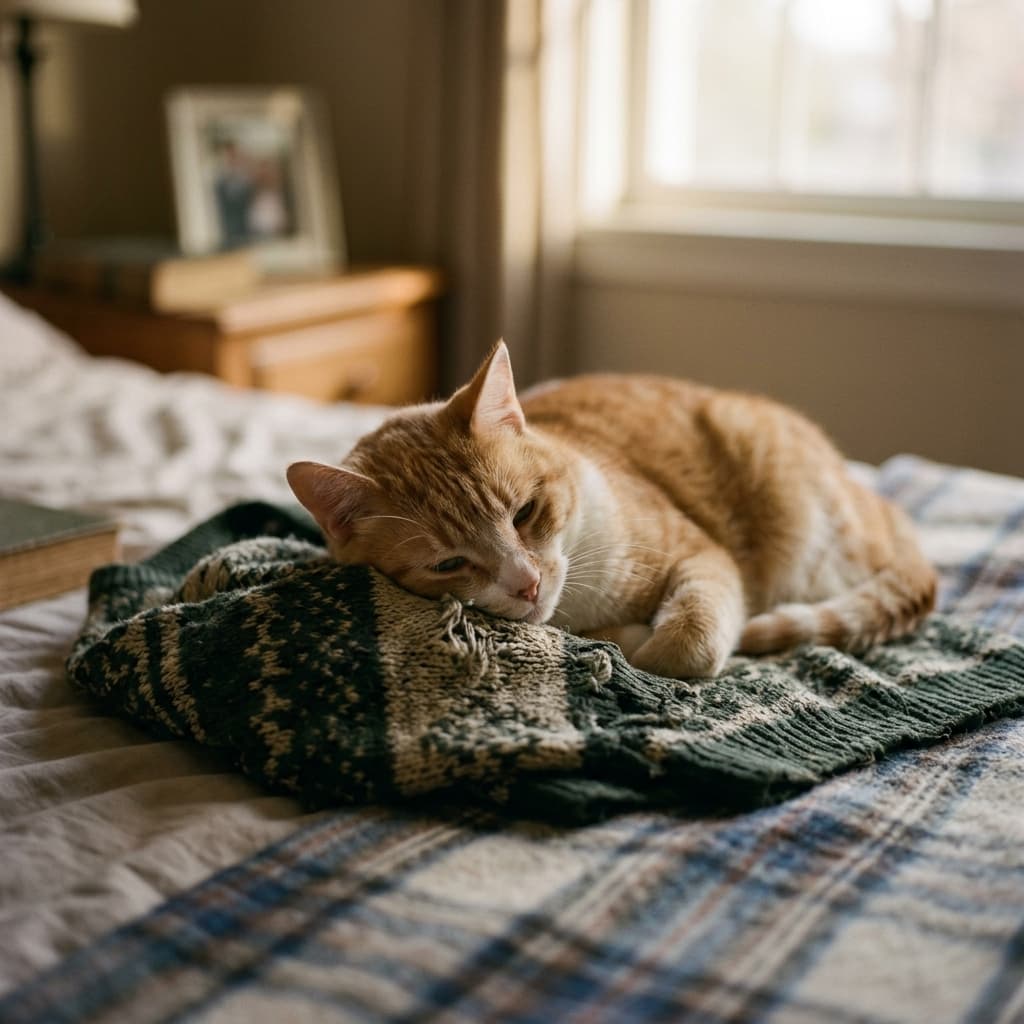
The long-term memory dimension: Feline memory is persistent and scent-anchored. Months after a companion has passed, a grieving cat may find a blanket that still carries the departed animal's smell. The response is often immediate and clear: rubbing, vocalizing, sleeping on the object. They remember. The scent confirmation of absence is real to them.
The reality: This is the single most common mistake owners make when a cat is grieving, and it frequently makes the situation significantly worse. Introducing a new cat to the household while the resident cat is actively grieving — when they are already destabilized, anxious, and in a heightened territorial state — creates a territorial conflict on top of a grief response. The new animal becomes an intruder in a home that is already threatening. The chance of a peaceful integration drops sharply.
Wait until the surviving cat has fully returned to their baseline: eating normally, sleeping in their regular spots, and no longer searching or vocalizing. This is when their nervous system has restabilised enough to process a new social relationship.
Hold the routine absolutely fixed. Feeding times, play sessions, litter box cleaning — same schedule, every day. Routine is the surviving cat's primary anchor when their social structure has collapsed.
Do not wash the deceased companion's bedding immediately. The lingering scent is not distressing — it is comforting. Let it fade naturally over weeks.
Monitor food intake closely. A cat that refuses food for more than 48 hours risks developing hepatic lipidosis (fatty liver disease), which is life-threatening and develops quickly. Offer high-value foods like warmed wet food or tuna water to stimulate appetite.
If possible, allow the surviving cat to sniff the body. This is the single most effective way to help a cat understand that their companion is gone rather than simply missing. Cats who are given this opportunity show significantly less prolonged searching behaviour in the days and weeks that follow.
Cats feel the absence of their companions. The quietness of their grief does not make it less real — it makes it easier to miss, which makes it more important to know how to recognize and support.
Feline grief duration varies. Some cats adjust in a few weeks, while others exhibit behavioral changes for up to six months.
Yes, many veterinarians recommend allowing the surviving cat to sniff the body. It helps them understand the companion is gone permanently.
Wait until the surviving cat has returned to normal eating and sleeping routines. Introducing a new cat too early causes severe territorial stress.
Not directly. However, grief causes severe stress that can make a cat stop eating. Refusing food for 48 hours can trigger fatal liver failure.
Grief causes immense stress, which drastically lowers a cat's tolerance threshold. Aggression is a common defense mechanism when they feel overwhelmed.