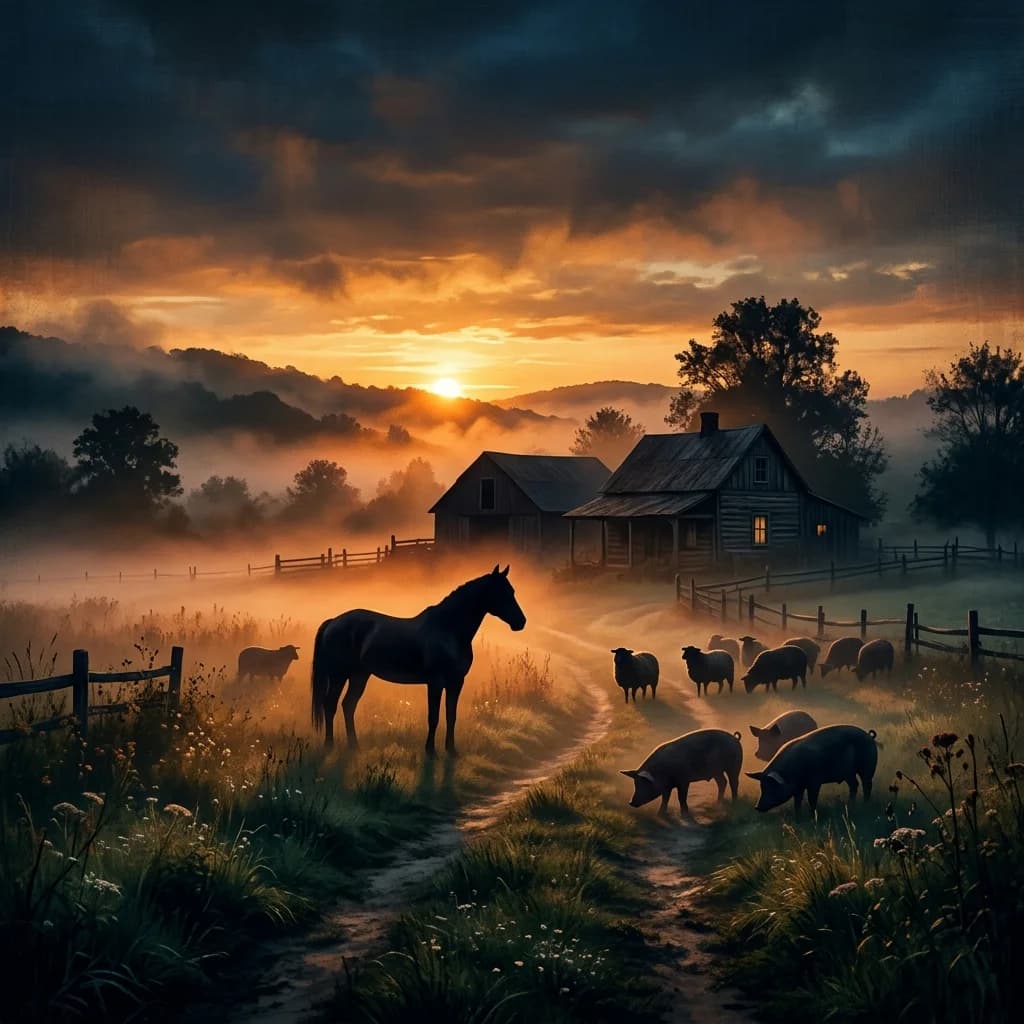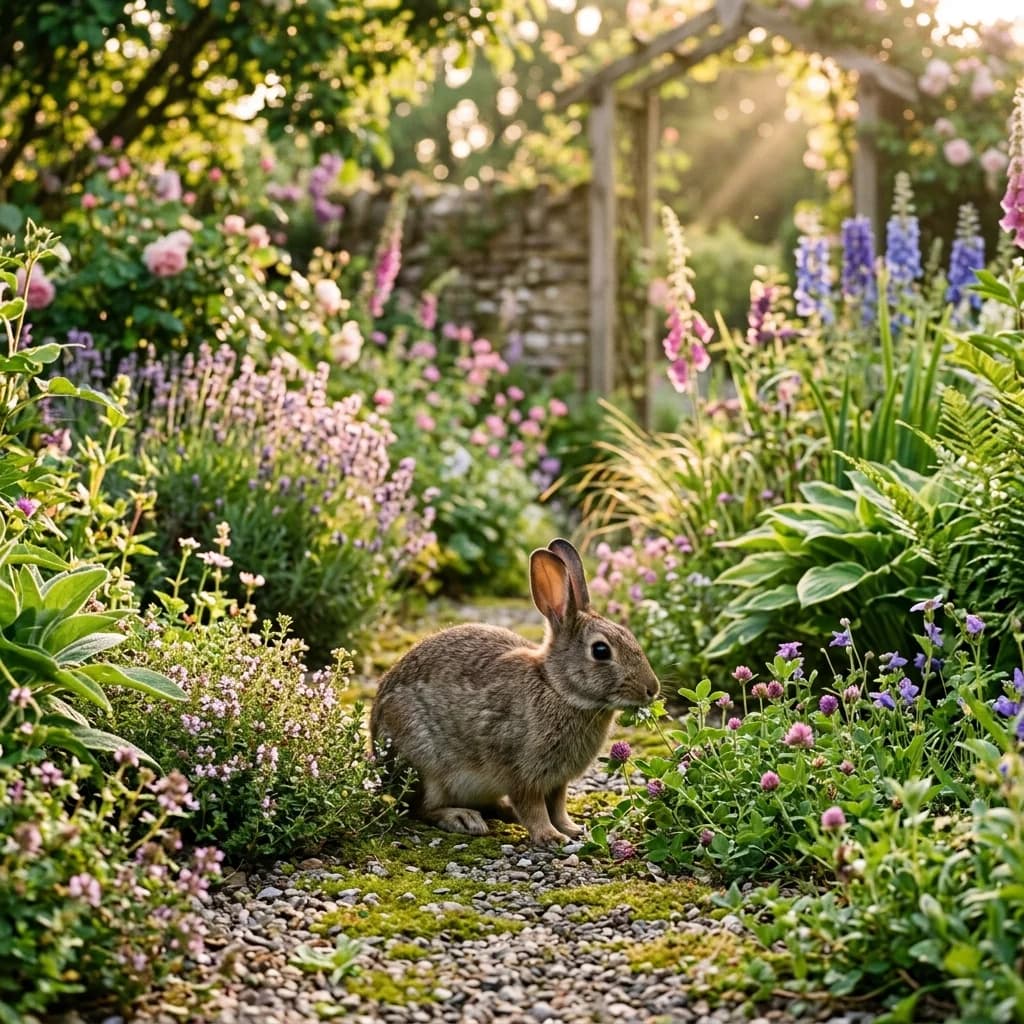
More than a century ago, a small rabbit in a blue brass-buttoned jacket squeezed under a wooden gate and stole radishes from Mr. McGregor's garden. Beatrix Potter's tale became an immediate global success. But beyond nostalgia and nursery decor, Potter's work quietly executed one of the most important structural revolutions in the history of fiction.
She invented anthropomorphic realism — the exact literary blueprint that powers modern pet novels, wilderness sagas, and digital animal fiction today.
Before Beatrix Potter published The Tale of Peter Rabbit in 1902, stories about animals belonged almost exclusively to two rigid categories:
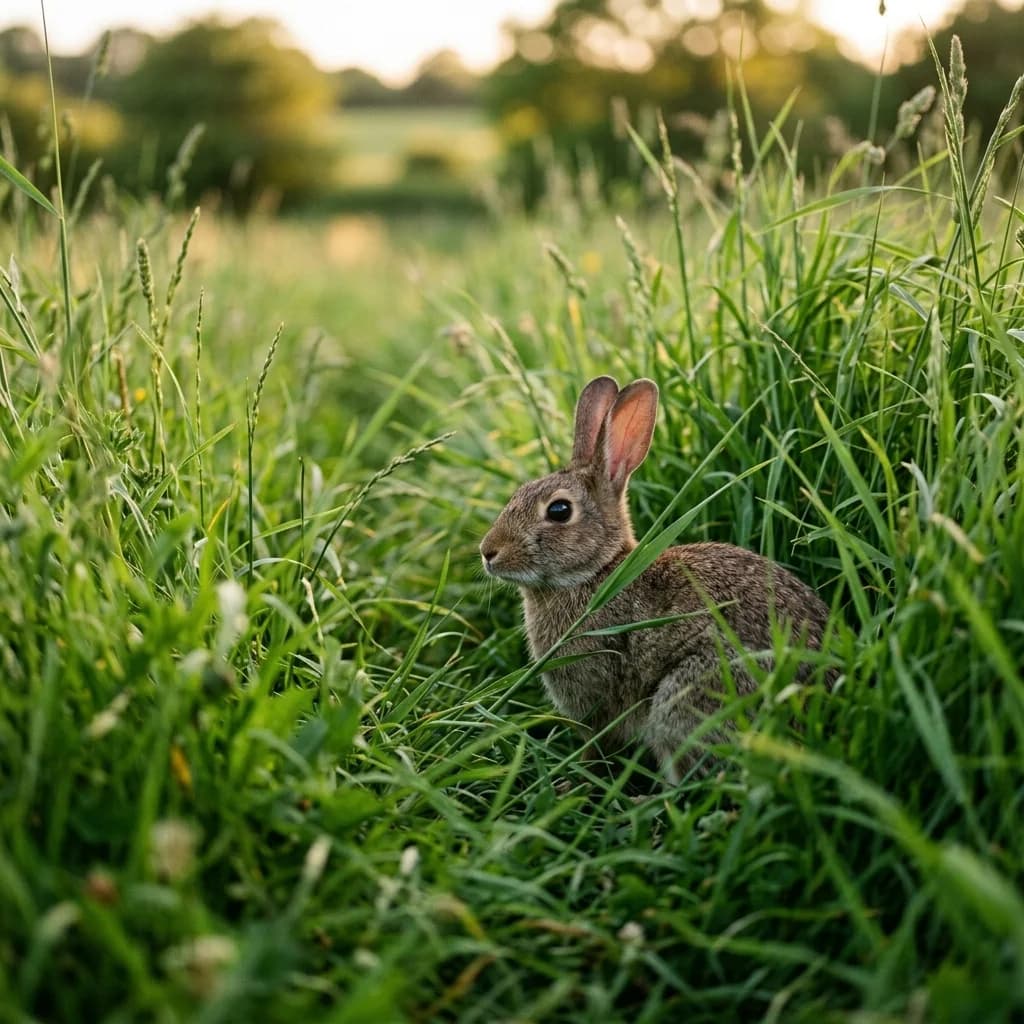
Potter — a trained mycologist and obsessive student of animal anatomy — merged these two opposing traditions. Peter wore a blue coat and possessed human-like anxieties, but he still lived in a dirt burrow under a fir tree, moved with a rabbit's gait, ate raw garden vegetables, and faced the very real threat of being baked into a pie by a human farmer.
This fusion created a new genre: characters who think with emotional nuance, but navigate a world bound by real-world physical and biological consequences.
Every successful modern pet novel — from Jack London's wilderness survival sagas to contemporary serialized cat mysteries — relies on three structural principles first codified in Potter's work:
In cartoon animation, a rabbit hit with a rake pops back up unharmed. In Potter's world, losing your coat means shivering in the rain, and being spotted by a cat means hiding inside a damp watering can while holding your breath. Modern pet fiction preserves this physical rigor. Whether the setting is a city alleyway or a dark forest, the environment follows natural physics, making every obstacle genuinely dangerous.
Peter was not a noble, obedient hero. He was disobedient, impulsive, greedy, and easily panicked — traits that arise naturally from a young prey animal's biological drives. Modern animal fiction thrives on flawed protagonists. A story about a perfectly trained, calm dog is boring. A story about a reactive rescue dog trying to protect a new home while battling past trauma is compelling because the internal flaw drives the plot.
In human thrillers, the stakes involve global wars or political conspiracies. Animal fiction achieves intense drama by shrinking the physical scale. A lawnmower, a closed door, an approaching thunderstorm, or a stranger entering the living room become terrifying, high-stakes crises when experienced from a six-pound animal's physical perspective.
The evolution from 1902 to the present day is a straight line. Potter proved that readers of all ages would invest deeply in non-human characters if their emotional stakes felt honest and their biological limits were respected.
Today's flourishing ecosystem of adult animal fiction, web serials, and xenofiction owes its existence to that original blue-jacketed rabbit who dared to enter Mr. McGregor's garden — and showed us how much human truth could be told from beneath a hedge.
They are famous because they combined beautiful, scientifically accurate botanical illustrations with rebellious, highly characterized animal protagonists, breaking the mold of traditional Victorian children's literature.
Yes. The genre of adult animal fiction features complex pet novels and wilderness survival stories that deal with mature themes, danger, and deep emotional bonds without human protagonists.
A good pet novel accurately captures the specific behavioral quirks of the animal species while delivering a compelling, character-driven plot built around survival or loyalty.
Yes. The author of the childhood literature was a dedicated naturalist and mycologist. She studied real animal anatomy carefully, which is why her illustrations remain iconic.
You can discover highly-rated modern animal fiction and pet novels on specialized reading platforms that host serialized original content across genres like rescue stories and wildlife chronicles.