The version you know is a lie. The three little pigs story — the one where the wolf just runs away and all three pigs end up safe together inside the brick house — is a 20th century confection. The original version, collected by Joseph Jacobs in 1890 from much older oral tradition, ends with the wolf boiled alive in a pot and served as dinner by the third pig. Every pig who did not build properly was eaten. The story was never a cheerful bedtime tale. It was a survival manual.
The reality: It is one of the oldest functional teaching tools for risk management and preparation ever encoded in story form. The reason it survived for centuries in oral tradition — long before anyone wrote it down — is that its core lesson was genuinely useful: inadequate preparation in the face of real danger gets you killed. The wolf is not a cartoon villain. He is winter, famine, and predation. The three pigs are not cute roommates. They are prey animals making different bets on how much effort to put into survival.
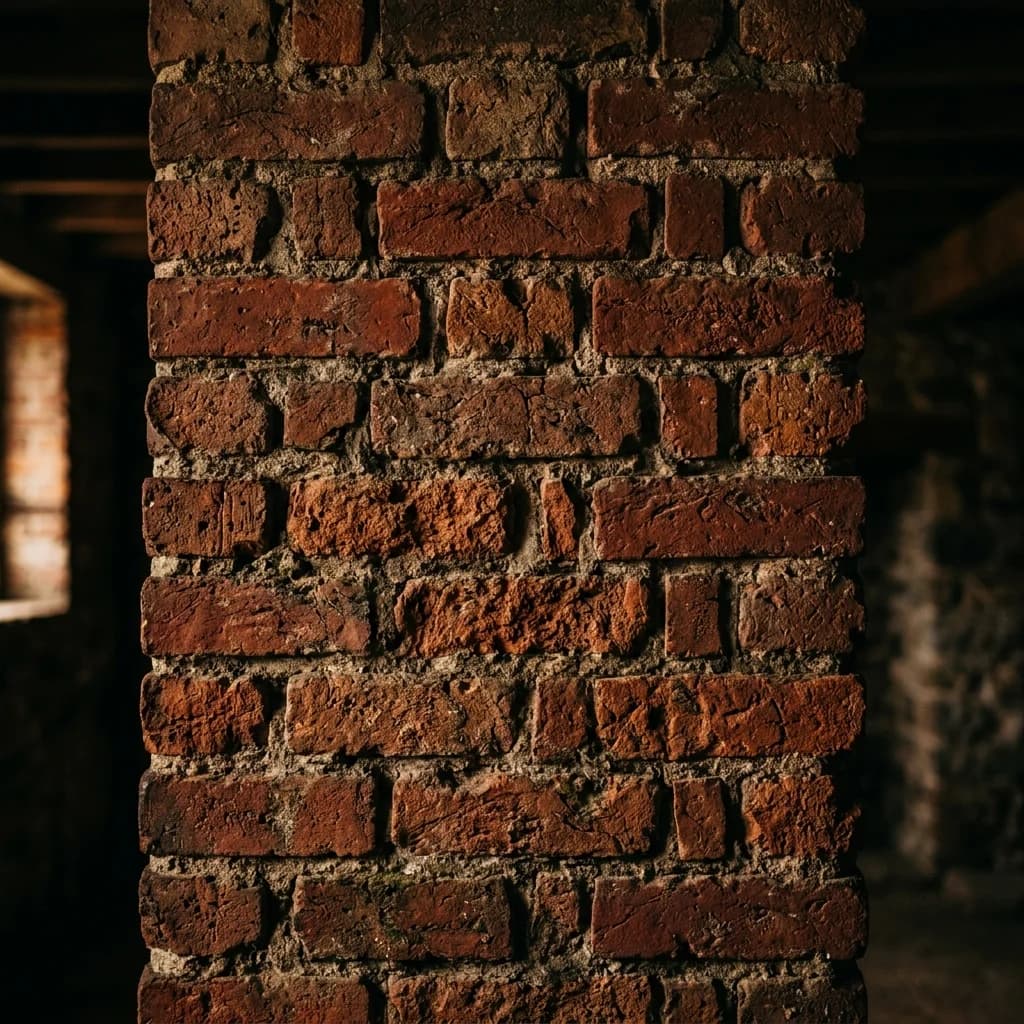
The reality: Straw, wood, and brick are not random choices. They represent a specific progression of human technological development and, metaphorically, the cost of preparation. Straw shelters can be built in hours but offer no real protection. Wood shelters require days and basic tools but fall to sustained force. Brick structures require weeks, specialist knowledge, and significant physical labor — but they last centuries. The story encodes the economic principle that the effort you are unwilling to invest now will be demanded of you later, with interest.
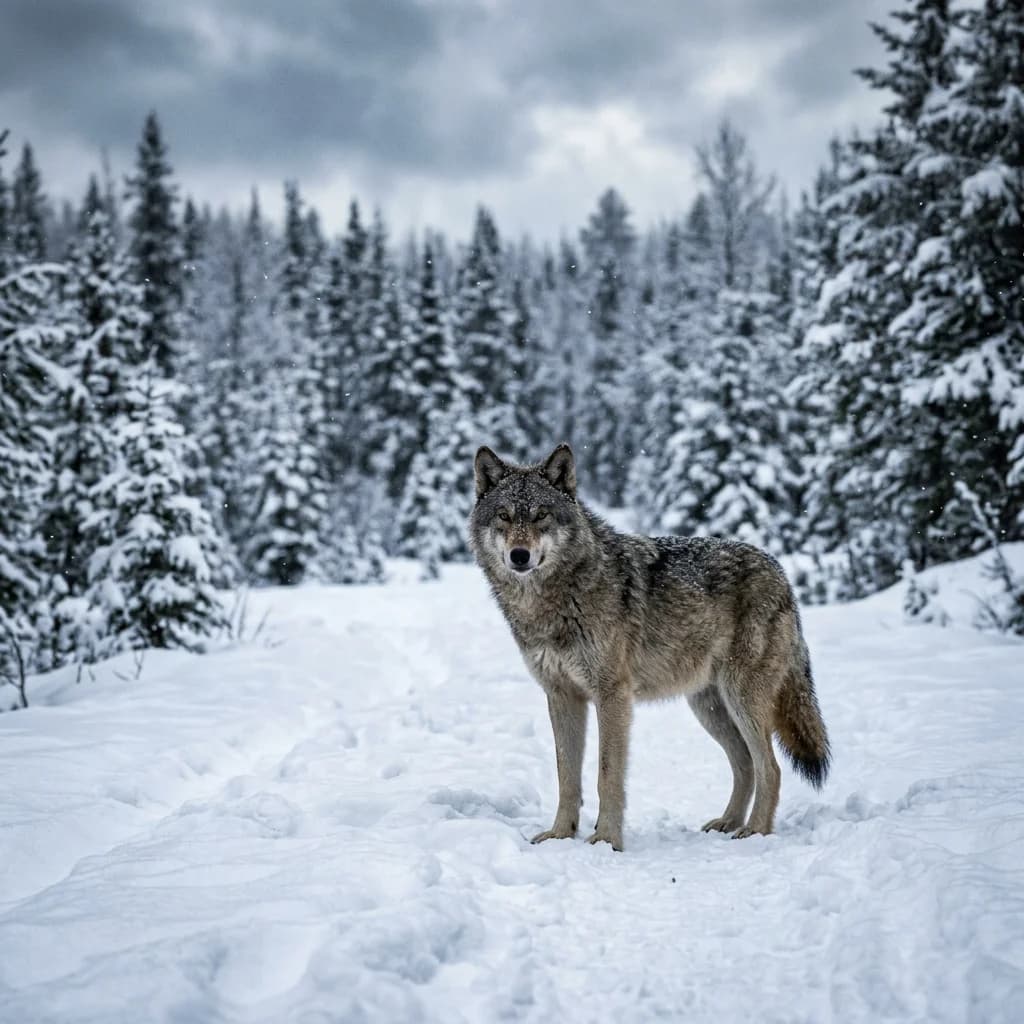
The reality: The wolf is doing exactly what wolves do. He is neither cruel nor malicious — he is hungry and persistent. The story does not moralize about the wolf's behavior. It accepts the wolf as a given. The question the story is actually asking is: given that wolves exist, how should you live? The wolf is a fact of life. Your response to that fact is the only thing the narrative is interested in.
The reality: The third pig wins through sustained, disciplined work performed under social pressure. While his siblings built quickly and played, the third pig invested effort before the threat arrived. This is the exact lesson that makes the story useful — not that good things happen to good people, but that preparation before a crisis is the only form of protection that actually holds.
In Jacobs' version, the wolf does not give up after failing to blow down the brick house. He climbs down the chimney. The pig lights a fire underneath a pot of boiling water and the wolf falls in. The pig eats him for supper. This ending is not gratuitous — it is structurally honest. The wolf was never going to stop. He only stopped when the pig was better prepared than the wolf was persistent.
Modern retellings that let the wolf simply run away strip out the core of what the story is arguing. The lesson is not "build a sturdy house and you'll be safe." The lesson is "build a sturdy house, and when the threat comes anyway, be ready to meet it on your own terms."
The three little pigs story has been told to children for centuries because it contains something true about life that is difficult to say directly: threats are real, preparation is a choice, and the story does not always end with the wolf giving up and going home.
The story has no single author; it is an oral folktale. It was first printed in the 1840s by James Halliwell-Phillipps, and later popularized by Joseph Jacobs in his 1890 collection of English Fairy Tales.
Yes. In the earliest recorded versions, the wolf successfully eats the first two pigs whose houses are destroyed, establishing genuine, lethal stakes for the narrative.
The core moral is that hard work, patience, and preparation will protect you against disaster, whereas taking shortcuts and prioritizing immediate comfort leads to destruction.
Pigs were common livestock highly familiar to the agrarian target audience, while wolves represented the most universally feared apex predator in European history.
Yes. Many modern thriller and horror stories, where characters build increasingly stronger defenses against monsters or natural disasters, directly mirror the structural DNA of this classic folktale.