Prowlpad Logo
Prowlpad
HomeBrowse
Explore Categories β–Ύ
Dog StoriesCat StoriesWildlife & NatureFarm StoriesBird StoriesOcean StoriesFantasy AnimalsSmall Pet StoriesDinosaur StoriesRescue StoriesTrue StoriesReptile StoriesUrban Fantasy PetsInsect Stories
RankingsBlogTools
Browse
Dog StoriesDog StoriesCat StoriesCat StoriesWildlife & NatureWildlife & NatureFarm StoriesFarm StoriesBird StoriesBird StoriesView All Categories
BrowseRankingsBlogLibraryTools
Add Prowlpad on Google
Prowlpad Logo
Prowlpad

Explore

All CategoriesDog StoriesCat StoriesWildlife & NatureRankingsTools

Support

Help CenterGlossaryClassics HubAnimal SciencePet Fiction GenreEditorial Policy

Company

About UsBlogAuthorsContactWrite for Us (Articles)
Β© 2026 Prowlpad β€” Free Animal Fiction Platform
Privacy Policyβ€’Cookie Policyβ€’Terms of Serviceβ€’DMCAβ€’Sitemapβ€’AI Indexβ€’RSSβ€’
Contact: [email protected]
Add to Google Search
Home β€Ί Blog β€Ί Why cats make better mystery protagonists than humans
Feline FactsΒ·Last Updated: July 15, 2026

Why cats make better mystery protagonists than humans

By J.T. Prowler
Why cats make better mystery protagonists than humans

In This Article

  • Anatomical Stealth: The Perfect Invisible Observer
  • The Sensory Suite: Clues Humans Literally Cannot Perception
  • The Narrative Tension of Limited Communication

πŸ“– Featured Read

The Cinnamon Bay Cat Sleuth cover
Mystery

The Cinnamon Bay Cat Sleuth

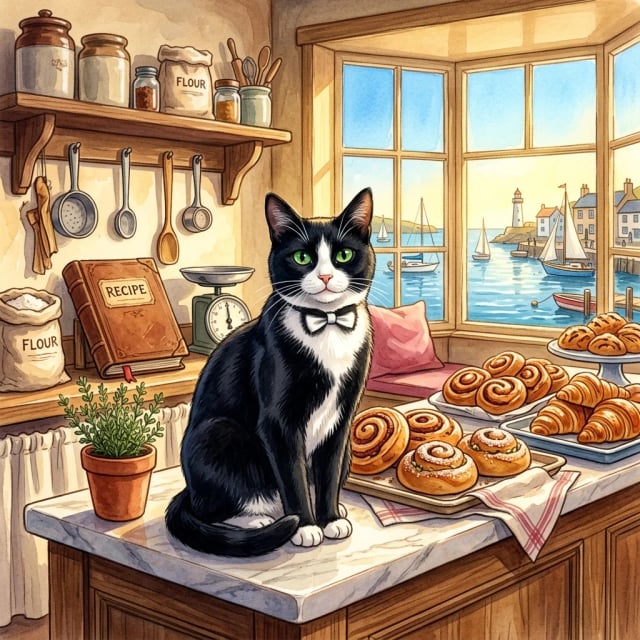
In the charming coastal town of Cinnamon Bay, thirty-one-year-old Nora Vance runs The Salted Crumb Bakeryβ€”famous for its warm cinnamon rolls and cardamom pastries. Her quiet partner is Barnaby, a handsome tuxedo cat with a natural white bowtie marking on his chest and an extraordinary knack for observing details. When a prized 1890 leather-bound heirloom recipe book carrying a century-old town secret vanishes from the bakery safe at midnight, Nora faces losing her business right before the Grand Coastal Pastry Cup. Can Barnaby's sharp eyes and flour-dusted clue trail uncover the truth before the oven cools?

🌟 New ArrivalStart Reading β†’

In Lilian Jackson Braun's classic The Cat Who... series, Koko the Siamese cat knocks specific books off shelves to uncover murder clues. In Rita Mae Brown's Mrs. Murphy mysteries, a tiger-striped cat and a Welsh Corgi solve crimes while their human owner blunders along behind them.

Cat cozy mysteries represent one of the highest-grossing sub-genres in crime fiction.

To non-readers, using a house cat as a detective sounds like a gimmick. To mystery writers, a feline protagonist is a brilliant structural secret weapon.

Cats make fundamentally superior mystery investigators because of their anatomical stealth, heightened sensory range, and complete social immunity.

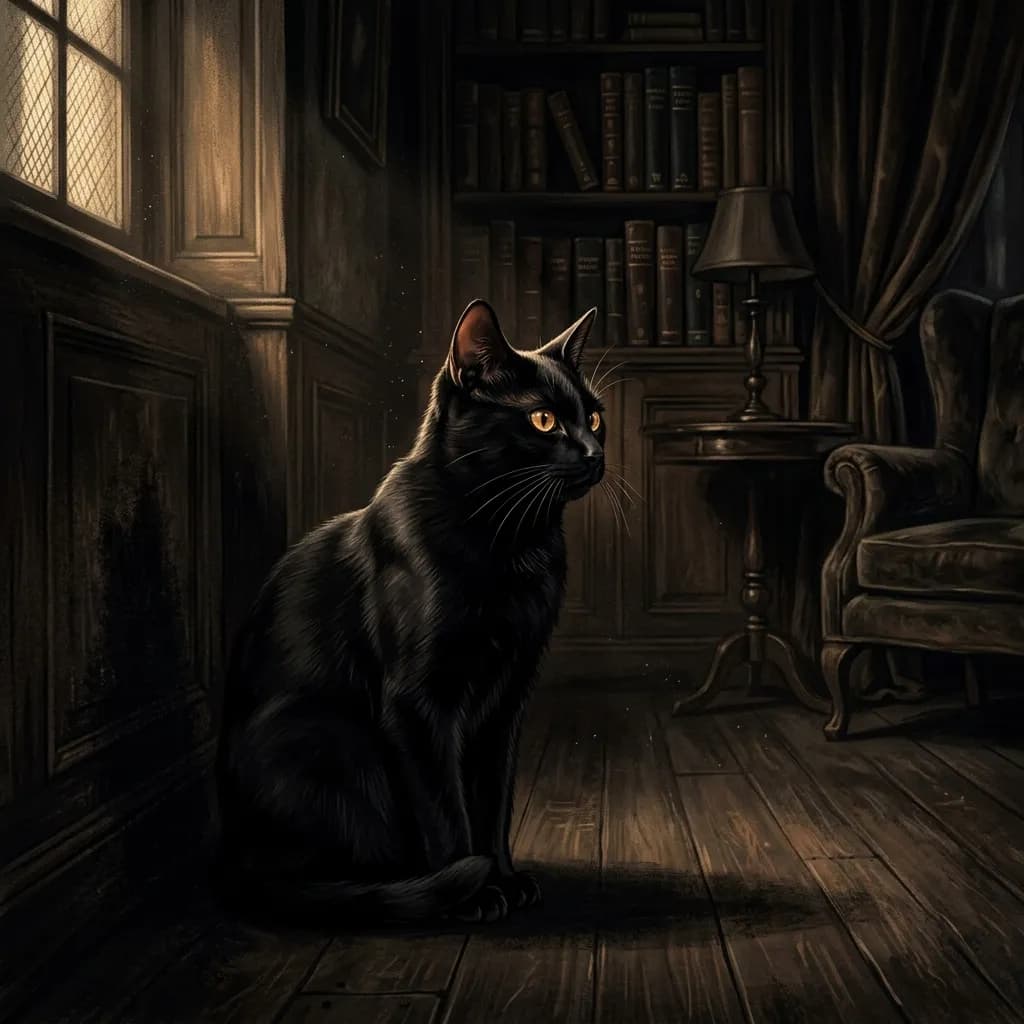
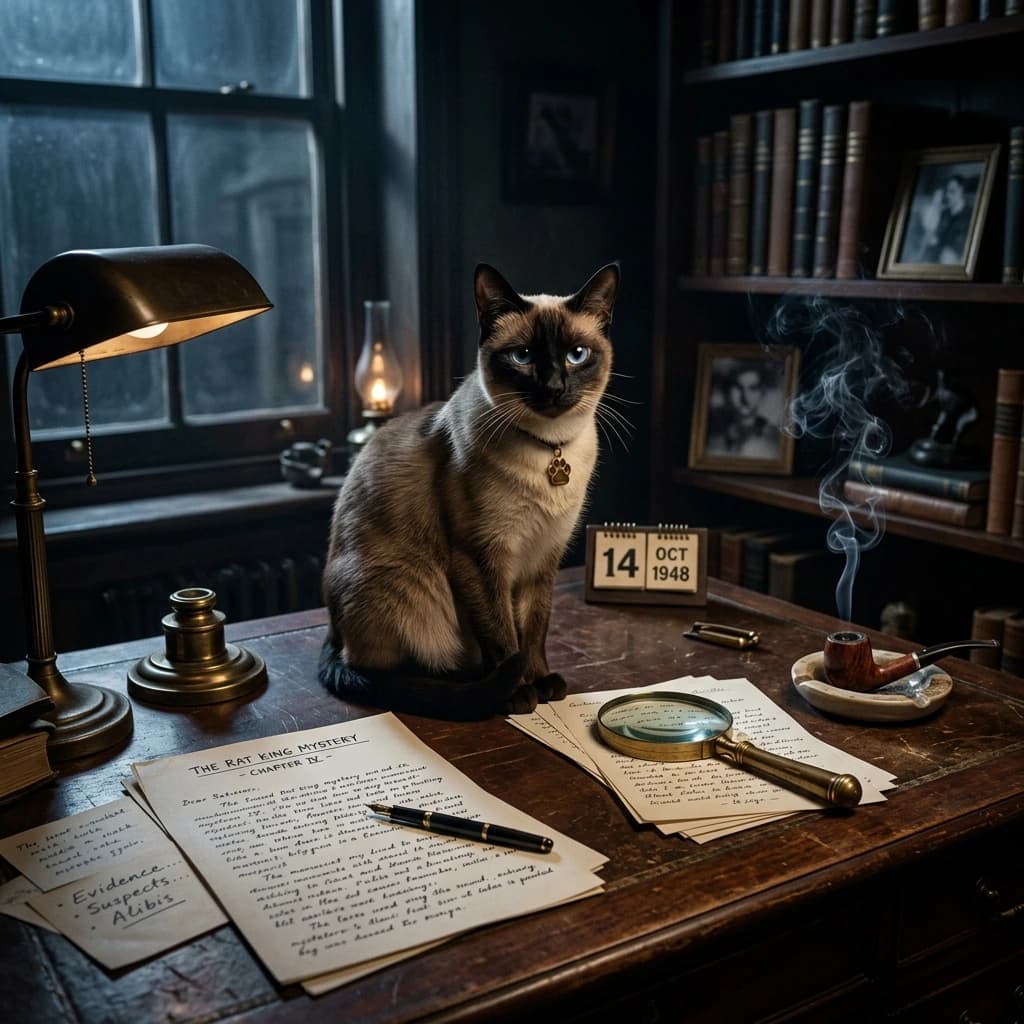
Cat detective looking mysterious in study

Anatomical Stealth: The Perfect Invisible Observer

A human detective investigating a crime faces massive social obstacles: locked doors, hostile suspects, legal warrants, and alibi fabrications. Suspects change their behavior, hide evidence, and alter their tone when a human detective enters a room.

A cat faces zero social resistance.

Cats walk through open windows, nap under sofa skirts, crouch atop bookshelves, and slip through narrow garden fences. Because humans view cats as harmless background scenery, suspects speak openly, reveal hidden emotions, and hide physical evidence directly in front of them.

A feline investigator is the ultimate invisible fly-on-the-wall witness.

The Sensory Suite: Clues Humans Literally Cannot Perception

Human sleuths are limited to visual clues, physical footprints, and spoken interviews. Cats operate on a multi-dimensional sensory plane that catches micro-evidence human detectives miss entirely:

  • Vibrissae (Whiskers): A cat's whiskers detect minute air current changes, allowing them to locate concealed wall compartments or hidden drafts.
  • Acoustic Localization: A cat's pinnae (outer ears) rotate 180 degrees independently, picking up high-frequency friction sounds β€” like a suspect slipping a key into a secret lock or a floorboard creaking in an attic.
  • Chemical Discrimination: A cat's vomeronasal organ detects microscopic traces of rare poisons, gunpowder residue, or foreign perfumes on a suspect's collar long before crime scene technicians pull samples.

The cat doesn't need to analyze fingerprints in a lab. They smell the culprit's fear chemistry directly.

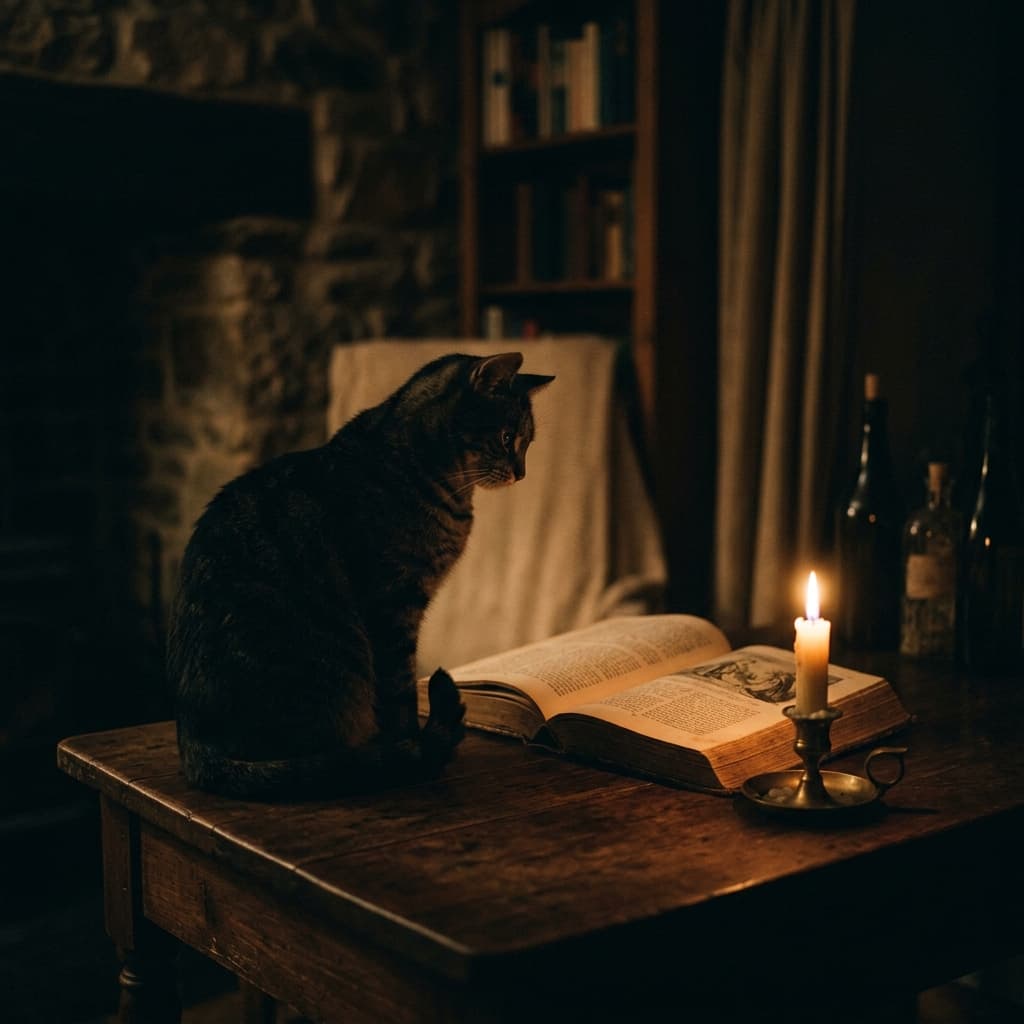
Cat pawing at hidden key

The Narrative Tension of Limited Communication

The ultimate literary engine of a feline mystery is the communication barrier.

The cat knows who the killer is in Chapter 3. But because they cannot speak English, the narrative tension comes from how the cat forces their dense human companion to notice the clue.

  • A cat knocking a specific brass key off a desk isn't misbehaving β€” they are pointing.
  • A cat refusing to sit near a specific guest isn't aloofness β€” they smell blood residue on the suspect's shoes.
  • A cat staring obsessively at a painting isn't daydreaming β€” they hear mice gnawing through a hidden safe behind the canvas.

This dynamic engages the reader in a double-puzzle: solving the murder alongside the cat, while enjoying the dramatic irony of watching the human owner slowly catch up.


A human detective relies on a badge and a notebook. A feline detective relies on 30 Hz hearing, 200 million scent receptors, and complete freedom to wander through crime scenes unbothered. It's no mystery why cats rule the cozy shelf.

Frequently Asked Questions

What is a cat cozy mystery?

A cat cozy mystery is a fiction sub-genre where a cat plays a central role in solving a crime through natural biological curiosity rather than deliberate investigation.

Can cats actually help solve crimes?

Yes. Cat hair has been used as forensic evidence in real criminal cases to tie suspects to crime scenes. Cats also have documented histories of leading owners to hidden objects.

Who wrote the first cat mystery book?

Lilian Jackson Braun popularized the genre with "The Cat Who Could Read Backwards" in 1966. It launched a massive 29-book series featuring a Siamese cat.

Why are dogs bad at being mystery detectives?

Dogs are generally too trusting and eager to please. This makes them poor suspects or cynical investigators compared to naturally suspicious and aloof cats.

What can cats hear that humans cannot?

Cats hear frequencies up to 64,000 Hz. Humans max out at roughly 20,000 Hz. This allows cats to hear rodent communications and faint electrical hums.

J.T. Prowler

J.T. Prowler

Creator & Lead Writer

Lead Architect and Head Writer at Prowlpad. With a deep fascination for animal behavior and serialized storytelling, J.T. crafts the immersive, character-driven pet fiction that defines the Prowlpad universe.

Enjoying Prowlpad? Help more readers find usAdd us as a Preferred Source on Google
Add to Google Search

Want more stories?

Explore our library of original pet fiction and discover your next favorite read.

Explore Library β†’

Related Insights

5 Best Books Where the Main Character Is a Cat
Genre Guide2026-07-18

5 Best Books Where the Main Character Is a Cat

By J.T. Prowler
Why Do Cats Knead? The Instinct Behind "Making Biscuits"
Feline Facts2026-08-01

Why Do Cats Knead? The Instinct Behind "Making Biscuits"

By J.T. Prowler
Why Does My Cat Stare at Me? 5 Reasons (And What to Do)
Feline Facts2026-07-31

Why Does My Cat Stare at Me? 5 Reasons (And What to Do)

By J.T. Prowler